
This Simchat Torah, I keep thinking about what is missing.
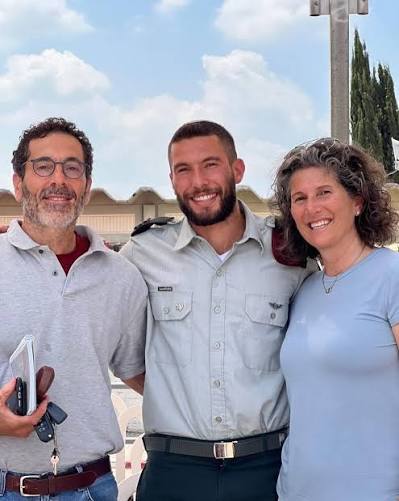
For some families, the absence is unbearable and permanent. A child, a parent, a spouse, a friend who was alive on the last Simchat Torah before October 7 and is no longer here. Every holiday marks time, but an anniversary holiday also measures absence. Another year has passed. Another place at the table remains empty. Another circle forms with someone missing from it.
Loss is embedded in Simchat Torah itself. We reach the end of the Torah and lose Moses.
The man who confronted Pharaoh, led us through the sea, brought down the commandments and carried an impossible people through the wilderness does not cross into the Jewish Promised Land. The Torah does not soften his death or pretend it did not happen. It records it and we read it aloud.

Over the past three years, other things have felt as though they have gone missing as well.
I have watched context disappear from too much of the media coverage of Israel and the Middle East. Iran can threaten Israel and the region through proxies, missiles and terrorism, yet somehow vanish from the frame through which individual events are reported.
I have watched the United Nations lose all credibility as an institution capable of treating Israel with the same standards it applies elsewhere. Its institutions can devote extraordinary attention to Israel while regimes and movements that openly threaten Jews and Israelis often recede into the background.
I have watched universities where “Globalize the Intifada” could become part of the vocabulary of protest after Jews had just experienced the deadliest day since the Holocaust. A recent report on American antisemitism could devote enormous attention to Israel, Palestinian Arabs, race and politics while ignoring the jihadist antisemitism that helped produce October 7 in the first place.
And increasingly, I wonder whether I am losing the Democratic Party I knew.
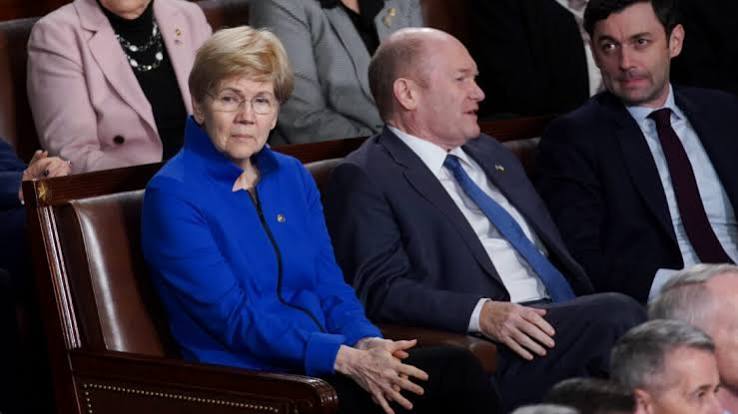
Senator Chris Coons is not someone I associated with the anti-Israel fringe. Yet he spearheaded legislation that would authorize American sanctions connected to construction in E1, including against foreign persons who simply submit bids for construction tenders. Threatening private parties with the force of the American financial system for bidding on residential construction near Jerusalem represents a place in that debate I never expected mainstream Democrats to reach.
Some losses happened in a morning. Others have accumulated slowly enough that it took me time to recognize them.
Judaism does not ask us to pretend that loss isn’t real. The Torah certainly doesn’t.
Moses dies. But then we do something remarkable.
We don’t pause to mourn Moses on Simchat Torah. We stand up, sing and dance. We lift the Torahs and our children. And when we have read the Torah’s final words, we refuse to leave the scroll there. We immediately return to Bereishit, to the beginning.
We don’t erase the loss or manufacture comforting explanations for it. We don’t avert our eyes from the people and institutions we have lost or from the lessons their loss may teach us. But neither do we build our lives around the empty spaces.
That may be the lesson I need most this Simchat Torah.
Notice who is missing. Remember them. Look clearly at what else we have lost since October 7 and understand why. Fight where something worth preserving can still be preserved.
Then look around the circle and see who is still there. Hold them a little closer.
And dance.


