
The U.S. Commission on Civil Rights released a 220-page report on September 26, 2026 on the explosion of antisemitism on American college campuses after October 7, 2023. Search those 220 pages for “jihad,” “Islamist” or “radical Islam” and you find nothing.
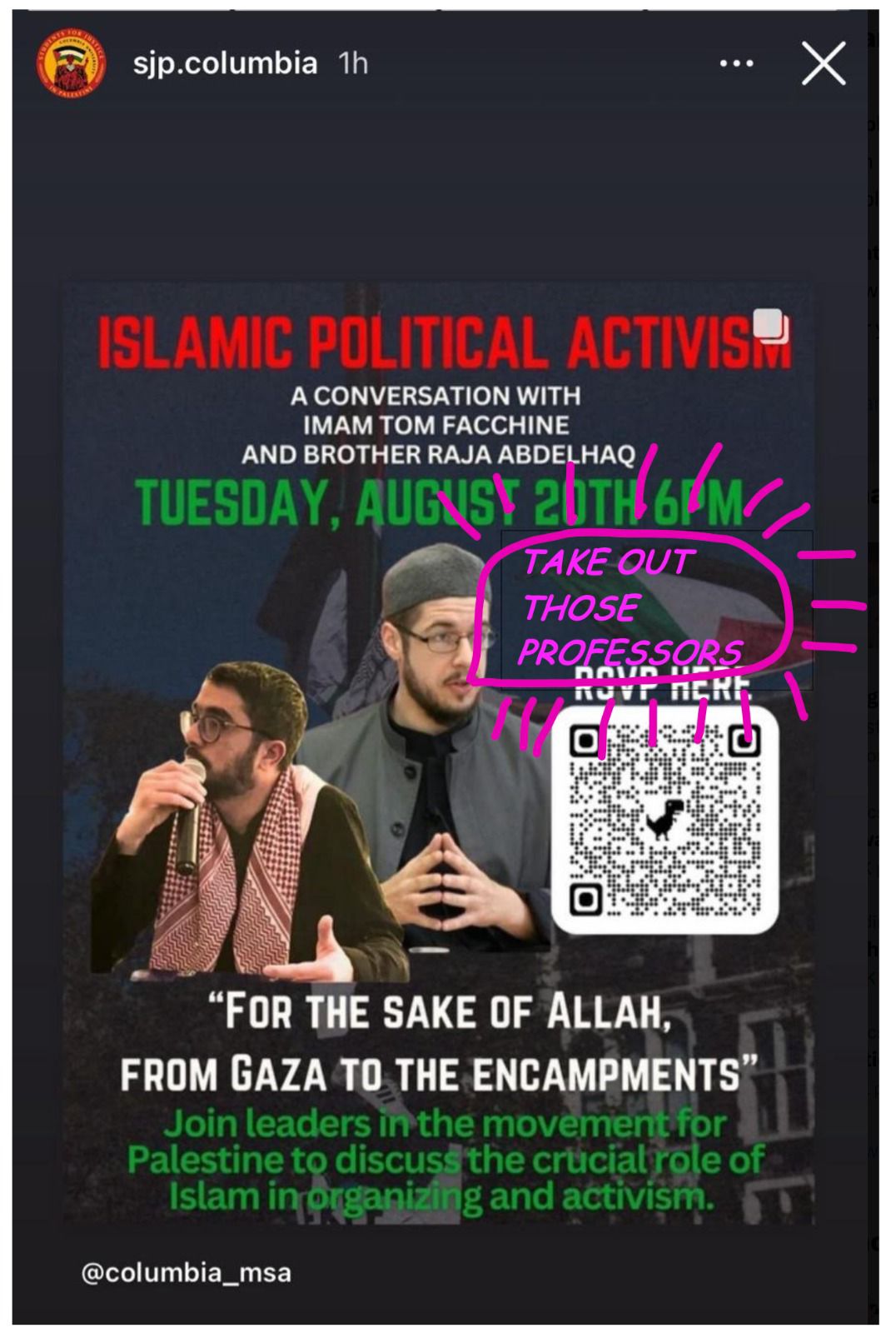
That is an extraordinary omission because October 7 was not the opening battle in a campus dispute between supporters of Israel and Palestine. It was a massacre carried out by Hamas, a jihadist organization with a long history of explicit antisemitism. Yet the Commission largely interprets what followed through a political framework: Jewish and Israeli students on one side, Muslim and Palestinian students on the other, each reporting hostility and discrimination while universities struggled to balance Title VI, political expression and the First Amendment. Indeed, the Commission describes its own inquiry principally in terms of institutional and federal responses to allegations of antisemitism following the Hamas attack, with substantial attention to the distinction between unlawful discrimination and protected political expression.
In that framework, Jews increasingly become the pro-Israel constituency in an Israeli-Palestinian political dispute. What largely disappears is that some of what erupted on campuses reflected a very different phenomenon: jihadist antisemitism.
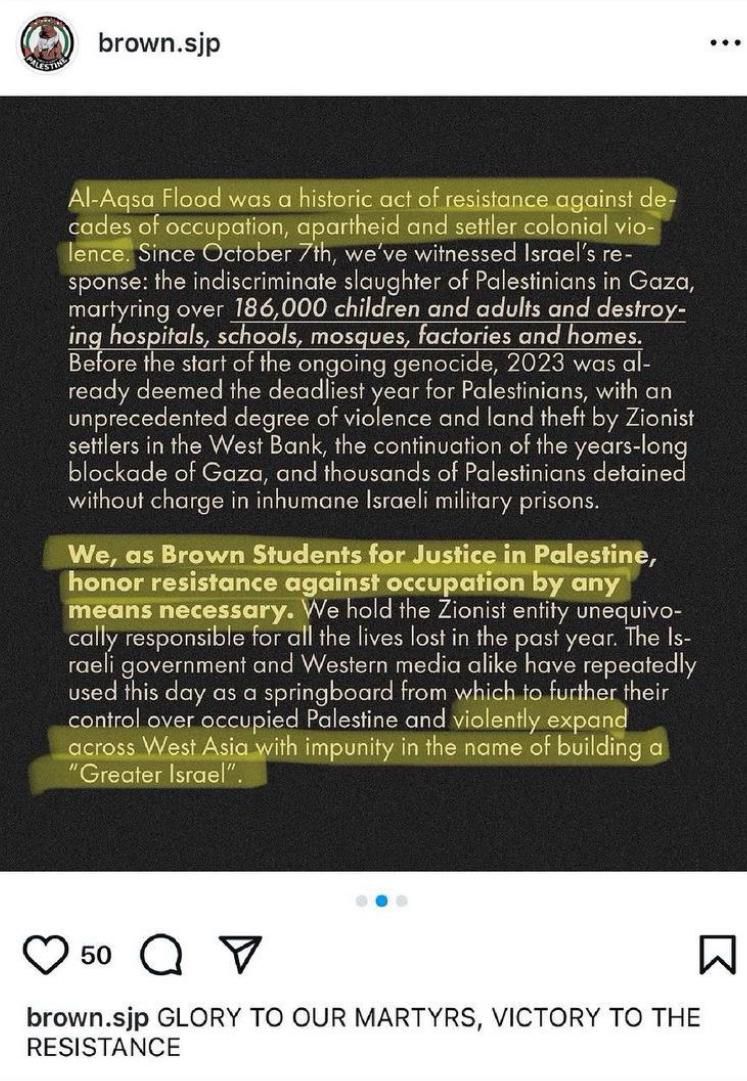
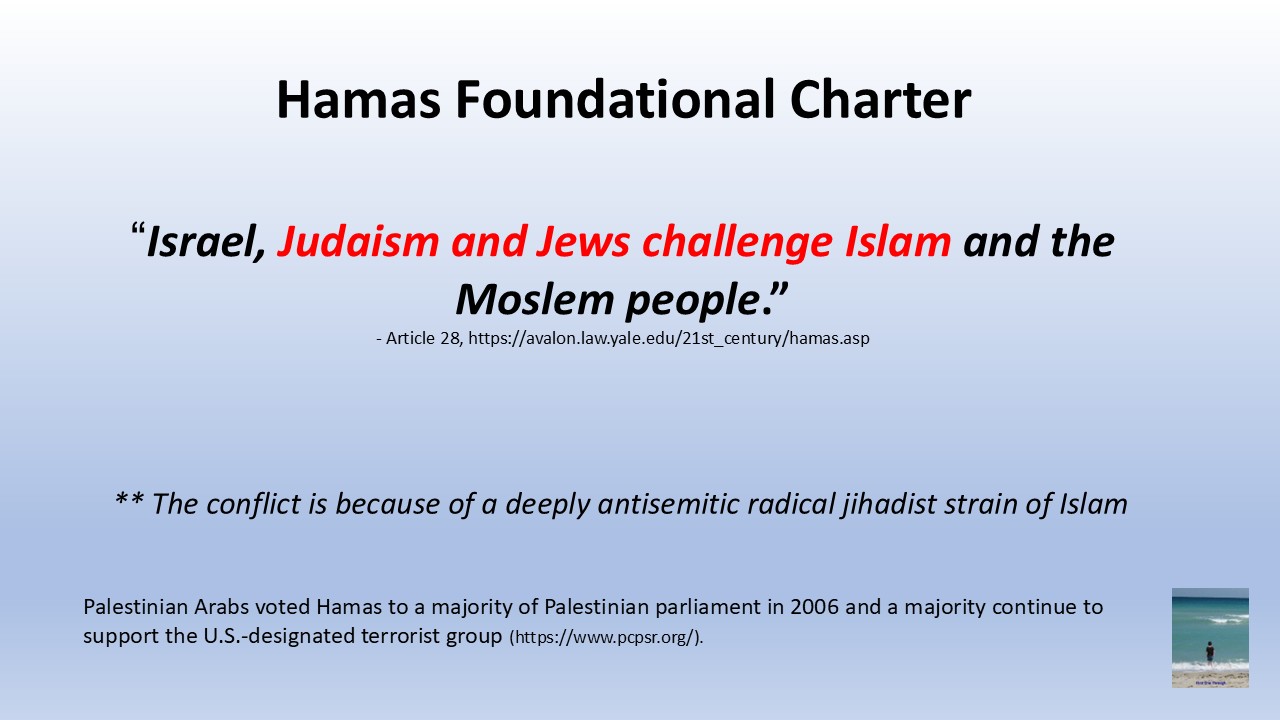
Hamas’s history should have made that an obvious subject of inquiry. Its 1988 founding covenant placed the struggle within an Islamic religious framework, declared that there was “no solution” to the Palestinian question except jihad, trafficked in antisemitic conspiracy theories and invoked a hadith envisioning Muslims fighting Jews.
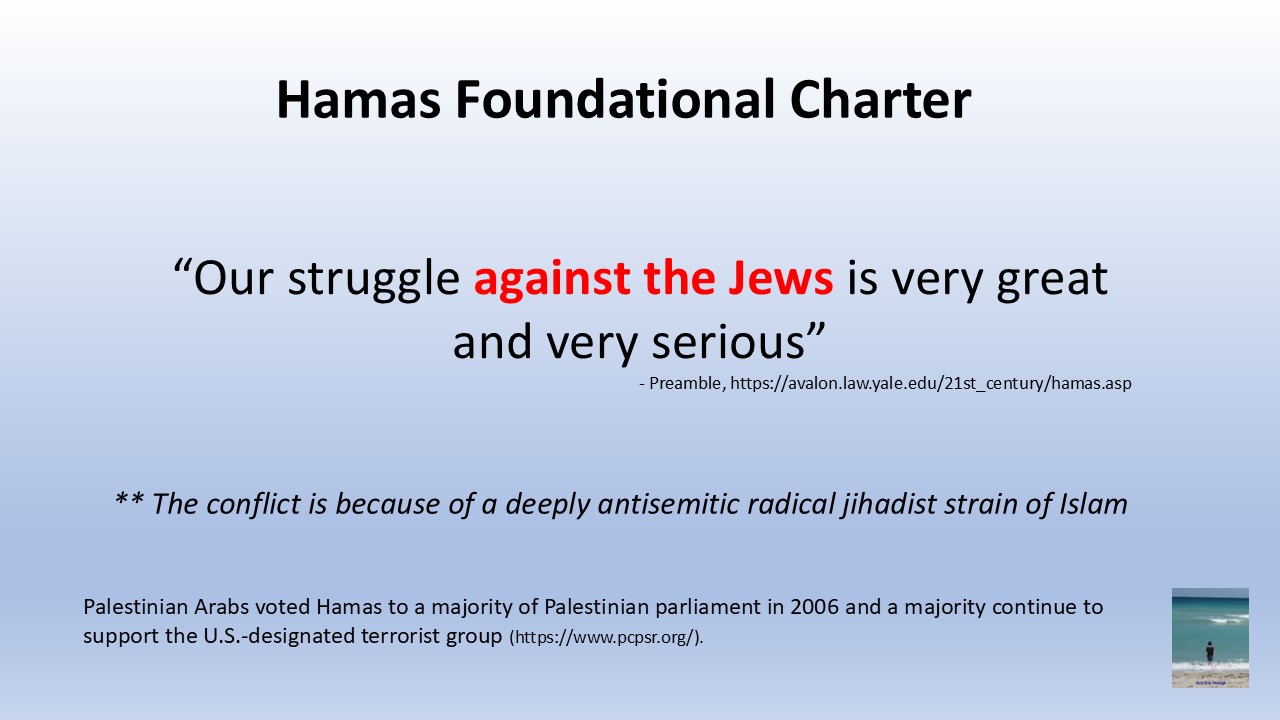
Nor did Hamas remain thousands of miles away from the American campus debate as an abstraction. The Commission itself received evidence of faculty-sponsored protests featuring “Long Live Al-Aqsa Flood,” Hamas’s name for its October 7 operation, along with a flag of the Popular Front for the Liberation of Palestine, which the report identifies as a U.S.-designated terrorist organization.
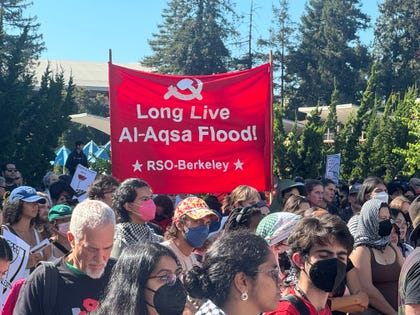
The Commission saw the evidence but never seriously followed the ideological trail.
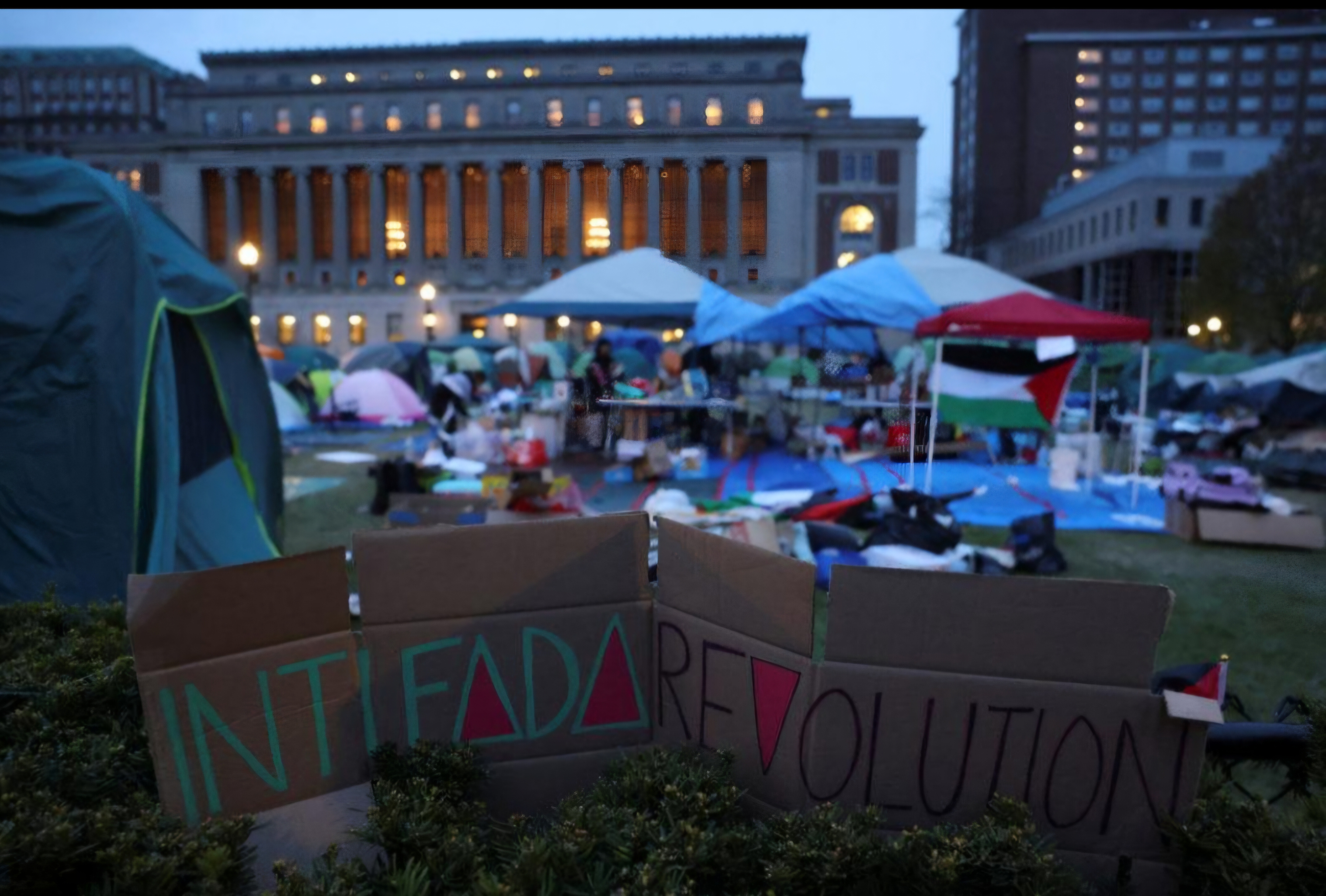
Consider “Globalize the Intifada.” The phrase appears only once in the report, in its discussion of Rutgers. Yet contemporary campus reporting documented it many times among the very universities the Commission selected for study. At Stanford, students chanted “From Stanford to Gaza, globalize the Intifada.” At Cornell, protesters chanted both “globalize the intifada” and “There is only one solution, intifada revolution.”
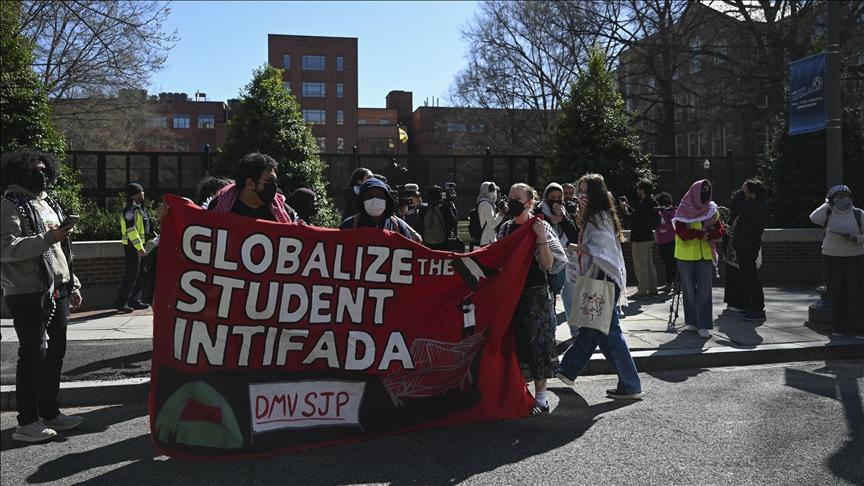
Cornell was not some campus the Commission lacked information about. The university supplied nearly 2,000 pages of material and received one of the longest individual university treatments in the report. Yet “Intifada Revolution” appears zero times.
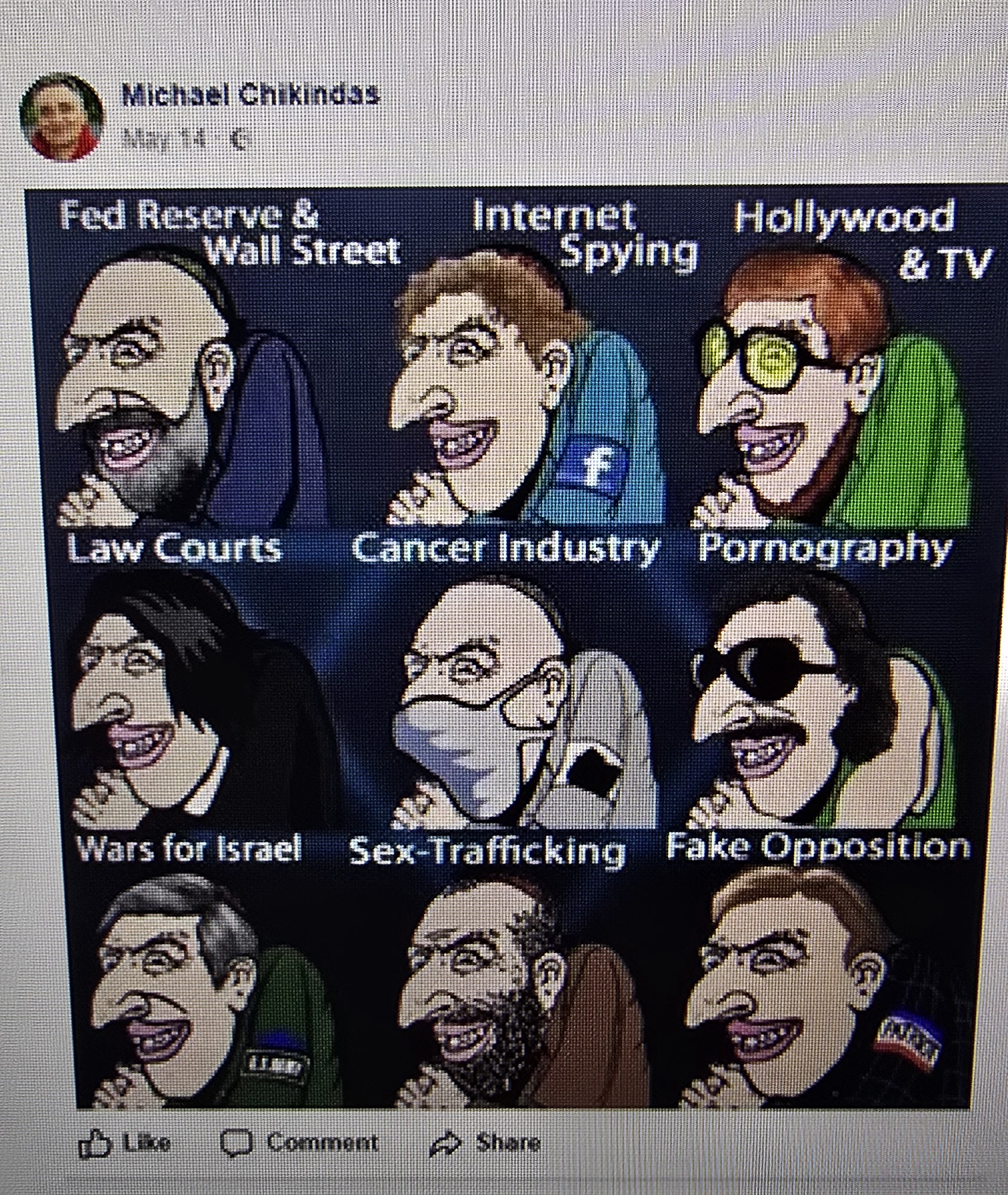
The gap becomes even more striking when compared with the Commission’s treatment of other ideological sources of antisemitism. The report examines far-right antisemitism, describing Jews portrayed as conspiratorial financial elites, competitors with white Americans and secret manipulators of political power. It discusses neo-Nazis and white nationalism. It also examines antisemitism arising from the political left, including depictions of Jews as privileged, capitalist or oppressive and the intersection between those ideas and hostility toward Israel.
Where is the corresponding examination of jihadi antisemitism?
Where is the history of Hamas’s antisemitic ideology, the examination of Hamas rhetoric about Jews, or the investigation of how the language and symbols of violent extremist organizations appeared in American campus protests immediately after October 7?
The Commission instead devotes considerable attention to deciding when anti-Israel rhetoric should be understood as political speech rather than discrimination. It examines “From the River to the Sea” at length, including competing interpretations of the slogan. It notes that “Intifada” can be frightening while remaining protected expression. At Rutgers, for example, it records “Globalize the Intifada” among the protest activity Jewish students said made them feel unsafe.
Imagine – feeling unsafe around a jihadist cry to kill non-Muslims everywhere.
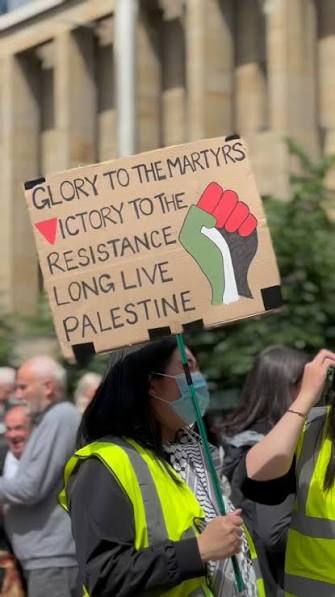
But cataloguing whether a slogan is legally protected is different from investigating the ideology being expressed by the people using it. The First Amendment can protect vile political speech. That does not make its ideological origin irrelevant to a federal investigation trying to understand antisemitism.
The omission is particularly consequential because the language of the campus protests did not develop in an intellectual vacuum. American universities have increasingly employed professors who view Israel through a settler-colonial framework. In its most categorical form, that theory casts Jews as foreign colonizers and Palestinians as the indigenous population resisting them. This screed is about Jewish presence in their homeland, not particular Israeli policies. It attempts to sever Jews from the land at the center of their history, religion, language and national identity and then uses that manufactured foreignness to challenge Jewish national self-determination. It is rank antisemitism that provides a logic other than Islamic supremacism to excuse Muslims preventing Jews from living and having self-determination “in any part of Palestine.”
“The conflict is cast in western circles as a local conflict over land between Jews and Arabs which can find compromise, but radical Islamists see it as a global religious matter between Muslims and Jews.” – First One Through July 2025
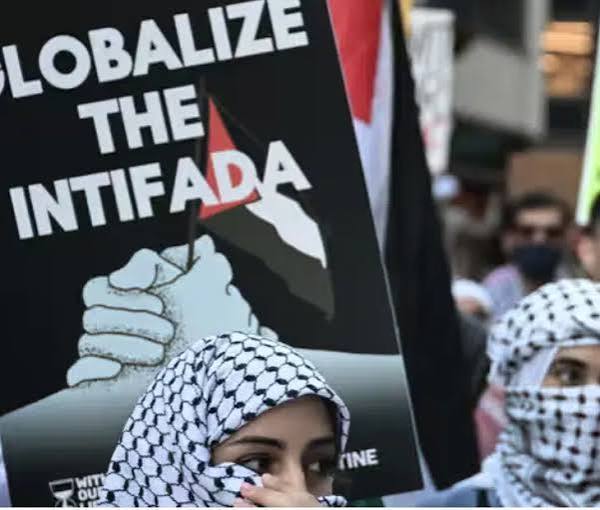
In such distorted worldview, October 7 becomes “resistance.” Hamas’s “Al-Aqsa Flood” becomes liberation. The intifada becomes something to globalize. Zionists become people to exclude, while Jews who object to any of this are reduced to the pro-Israel participants in a contentious political debate.
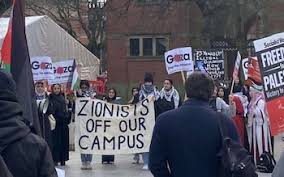
This is where the Commission missed the virulent strain of antisemitism it was supposed to investigate. The fear that swept through many Jewish communities after October 7 was not simply that Palestinian students disagreed with Jews about Israeli policy or conduct. Jews had watched an organization steeped in antisemitic ideology slaughter Israelis and take hostages. They then watched people in the West celebrate or rationalize the attack with the vocabulary of “resistance,” “intifada” and “Al-Aqsa Flood.”
While the Commission’s own evidence contained pieces of that story, its analytical framework never assembled them.
That failure has consequences. America has learned to recognize white-supremacist antisemitism – your father’s antisemitism – as an ideology rather than merely a collection of offensive statements. A swastika does not need to be accompanied by a dissertation on National Socialism before institutions understand the hatred behind it. The same intellectual seriousness should apply when antisemitism emerges from another extremist tradition.
Instead, this federal civil-rights report has provided universities with a framework that can make jihadist antisemitism remarkably difficult to see. While Jew hatred expressed in the vocabulary of white supremacy arrives already classified as extremism, similar hostility wrapped in the language of decolonization, resistance and intifada can be processed as politics, scholarship or protest. The Jewish student confronting it becomes the “pro-Israel” participant in a dispute, rather than a target of noxious hatred.
Jihadi antisemitism does not become benign when its vocabulary is translated for an American campus. Leaving that vector out of a federal investigation leaves universities less prepared to identify it, challenge it or protect the Jews it threatens.
The Commission set out to expose the forces driving contemporary campus antisemitism and instead helped preserve one of their safest hiding places: the assumption that when hatred of Jews arrives speaking the language of “resistance,” it is merely politics.
Related:
The UN’s Jihadi Exception (September 2026)


Pingback: There is a Missing On Simchat Torah | First One Through