
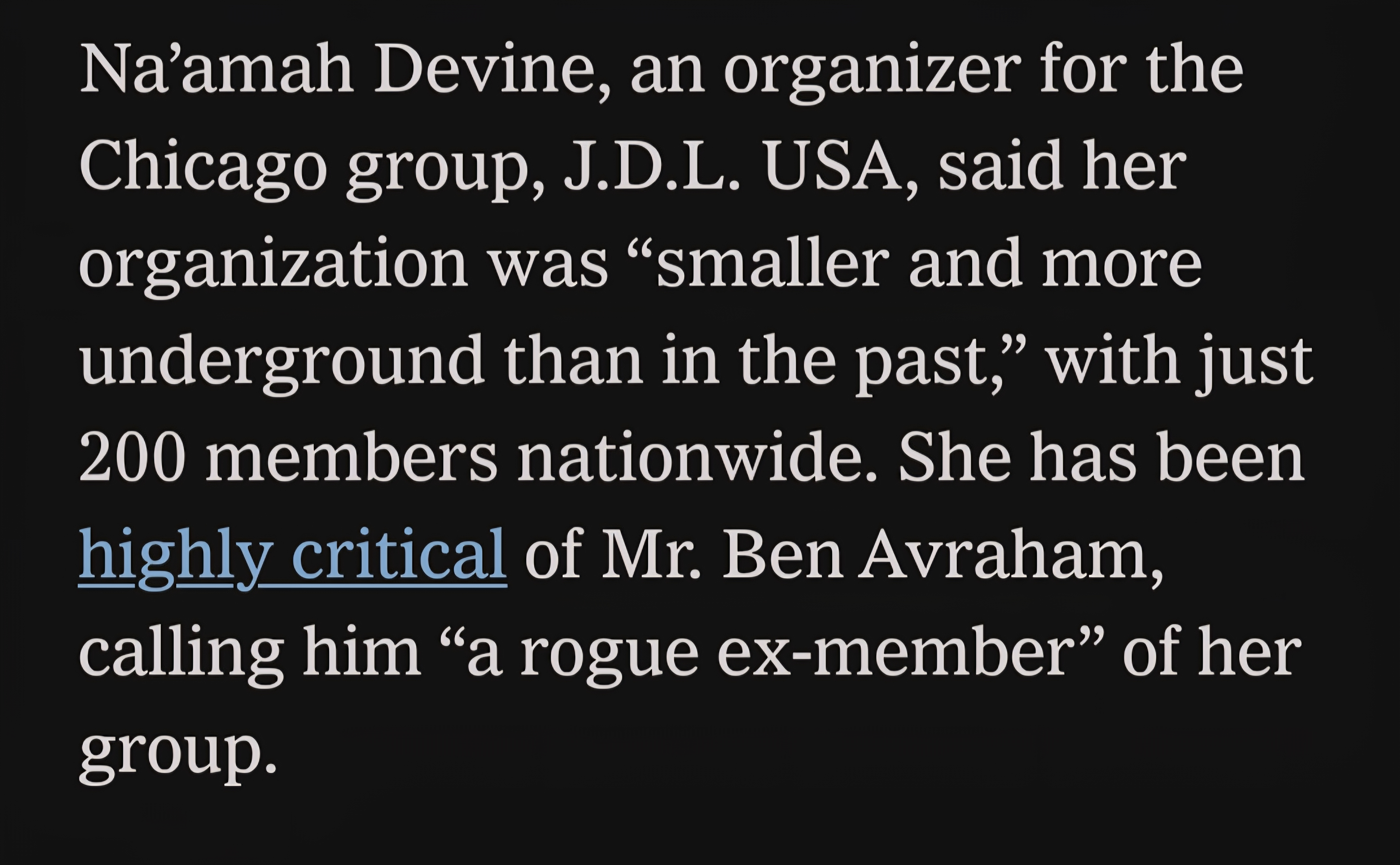
The latest The New York Times piece on a JDL-linked murder plot tells a very specific story—and then stretches it into something much larger than it is.
Start with the facts. One individual in a fringe offshoot movement, often described as a ghost of the old Jewish Defense League, allegedly plotted a murder that never happened because law enforcement stopped it. That is the entire event. Not a movement. Not a wave. Not a trend. A single actor orbiting a marginal group.
And the target was not randomly selected. This was not an attack on “Muslims” or a civilian population. The alleged target was a highly visible anti-Israel agitator who celebrates violence against Jews and calls for the destruction of the Jewish state. That context matters. It does not justify anything but explains a motive. Erasing that distinction flattens reality into propaganda.
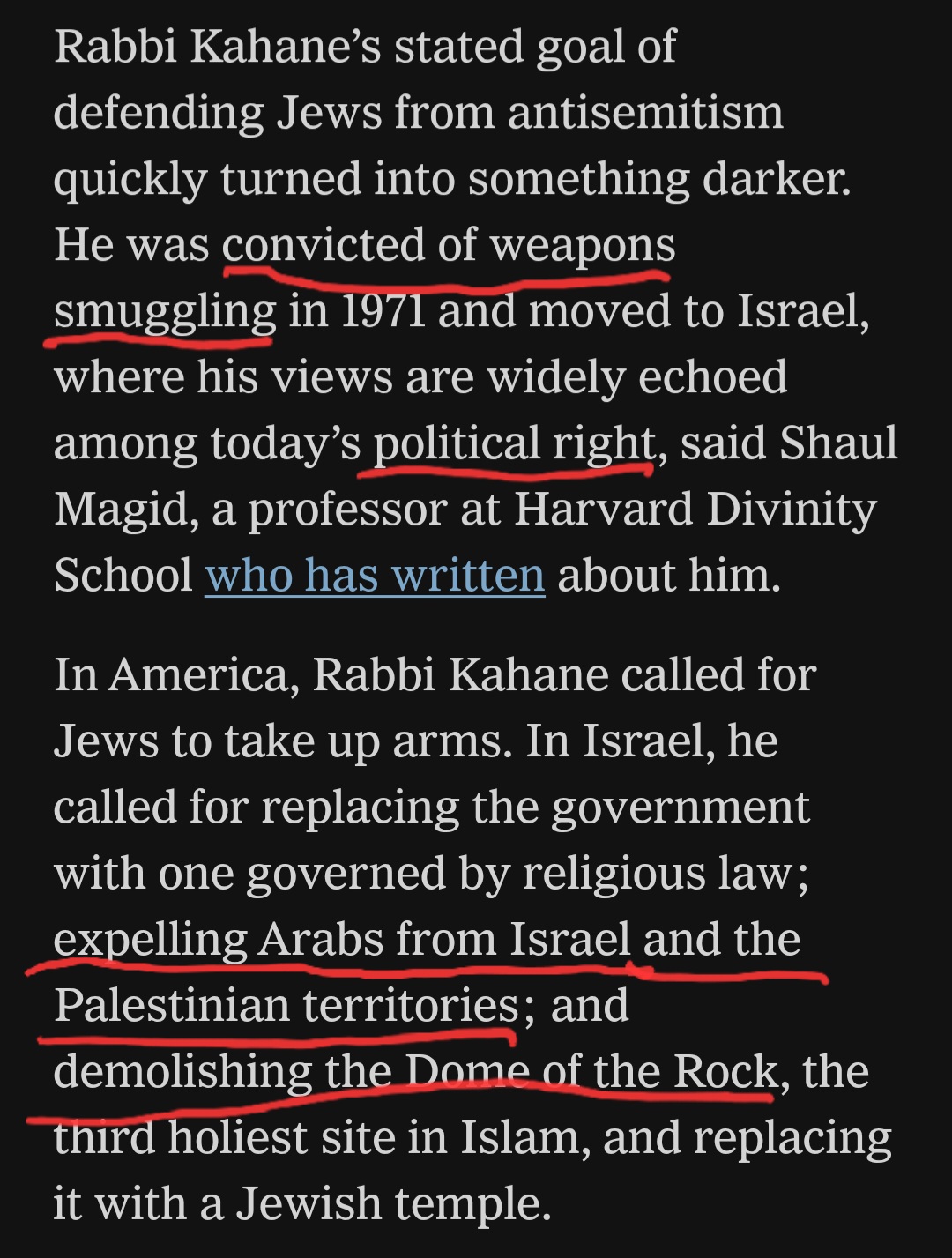
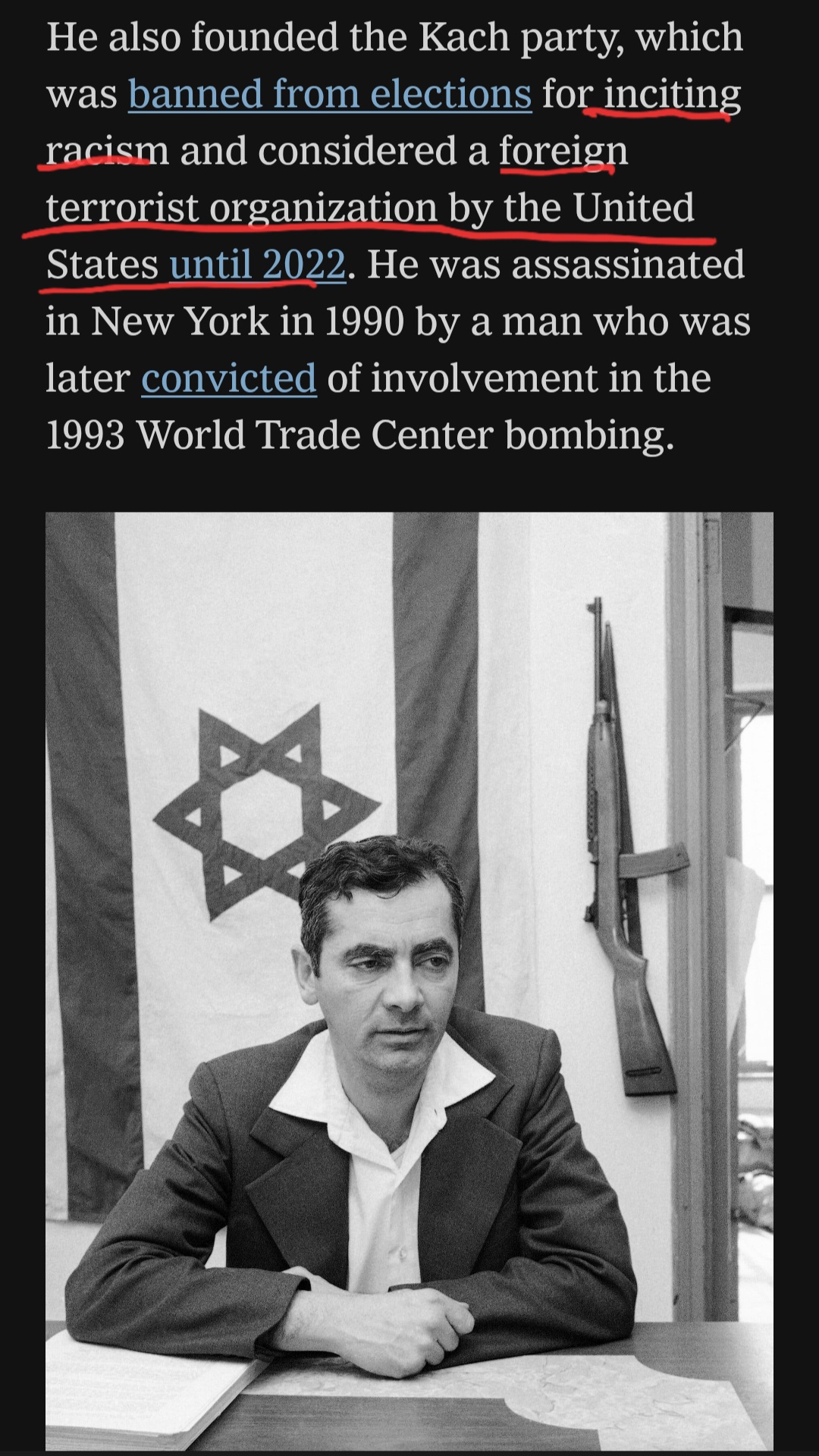
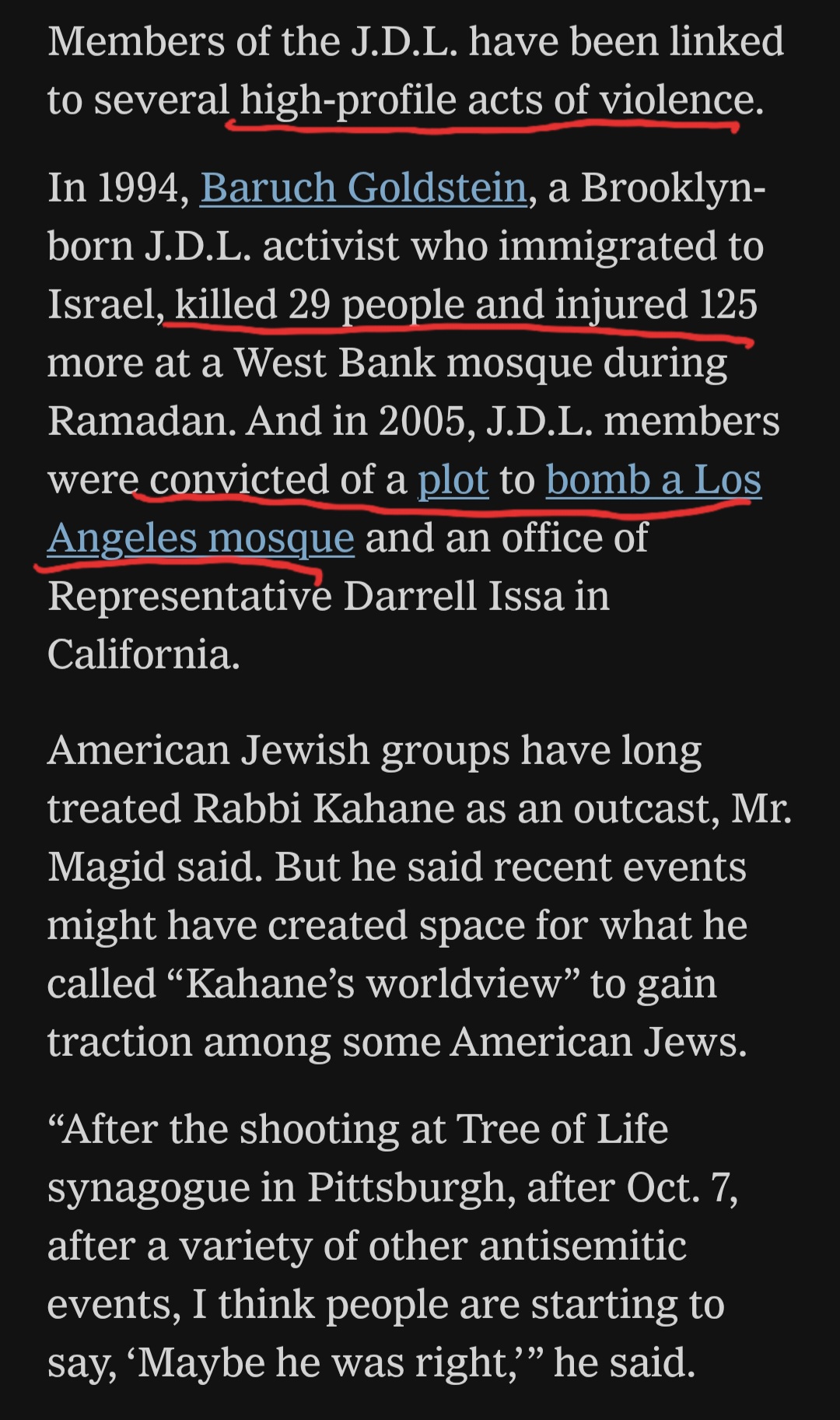
Yet from this narrow incident, the long article pulls a wide arc—Meir Kahane, Baruch Goldstein, decades-old ideology, insinuations about modern Israel. The reader is led to see not one unstable actor, but a resurfacing Jewish extremism problem.
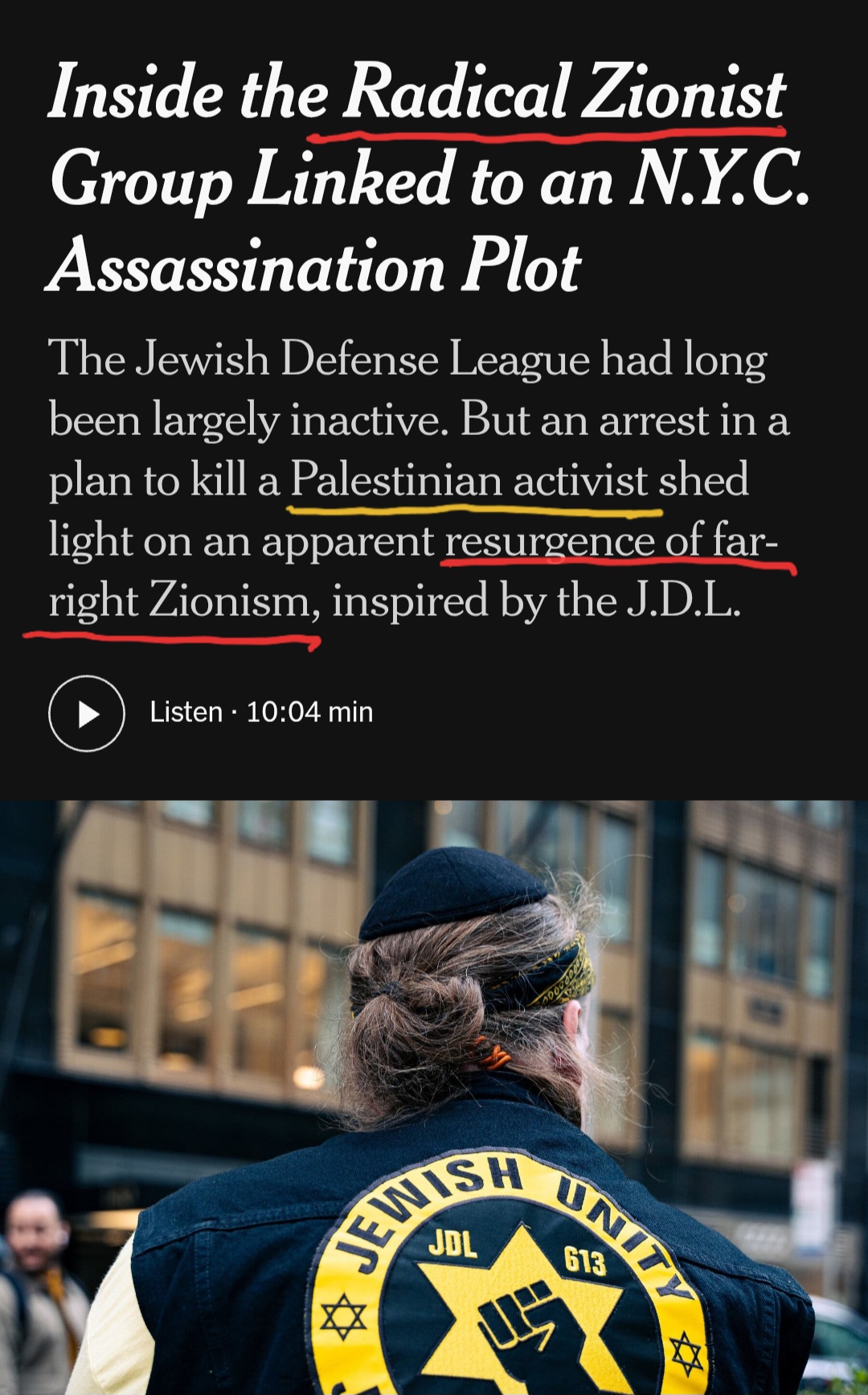
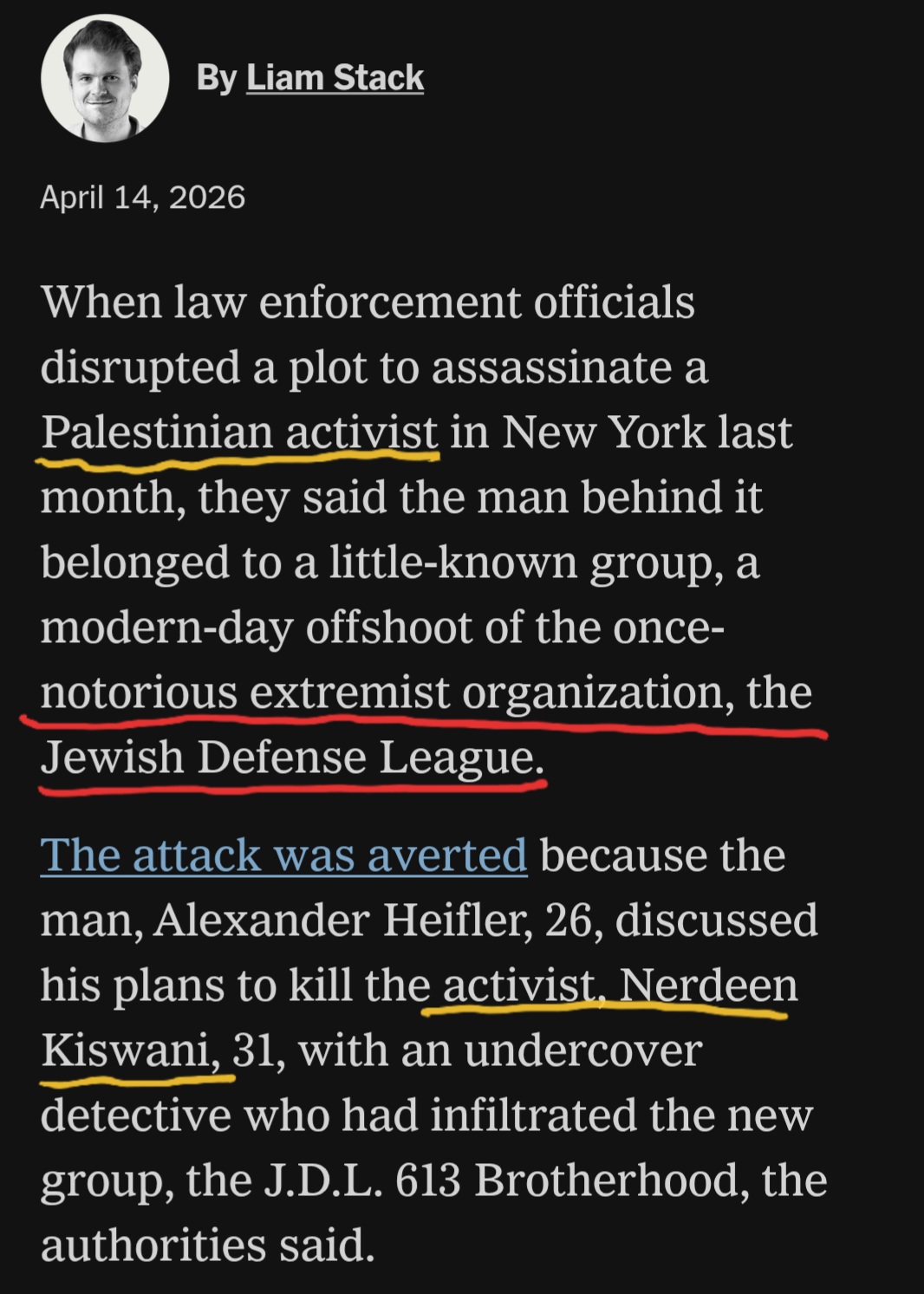
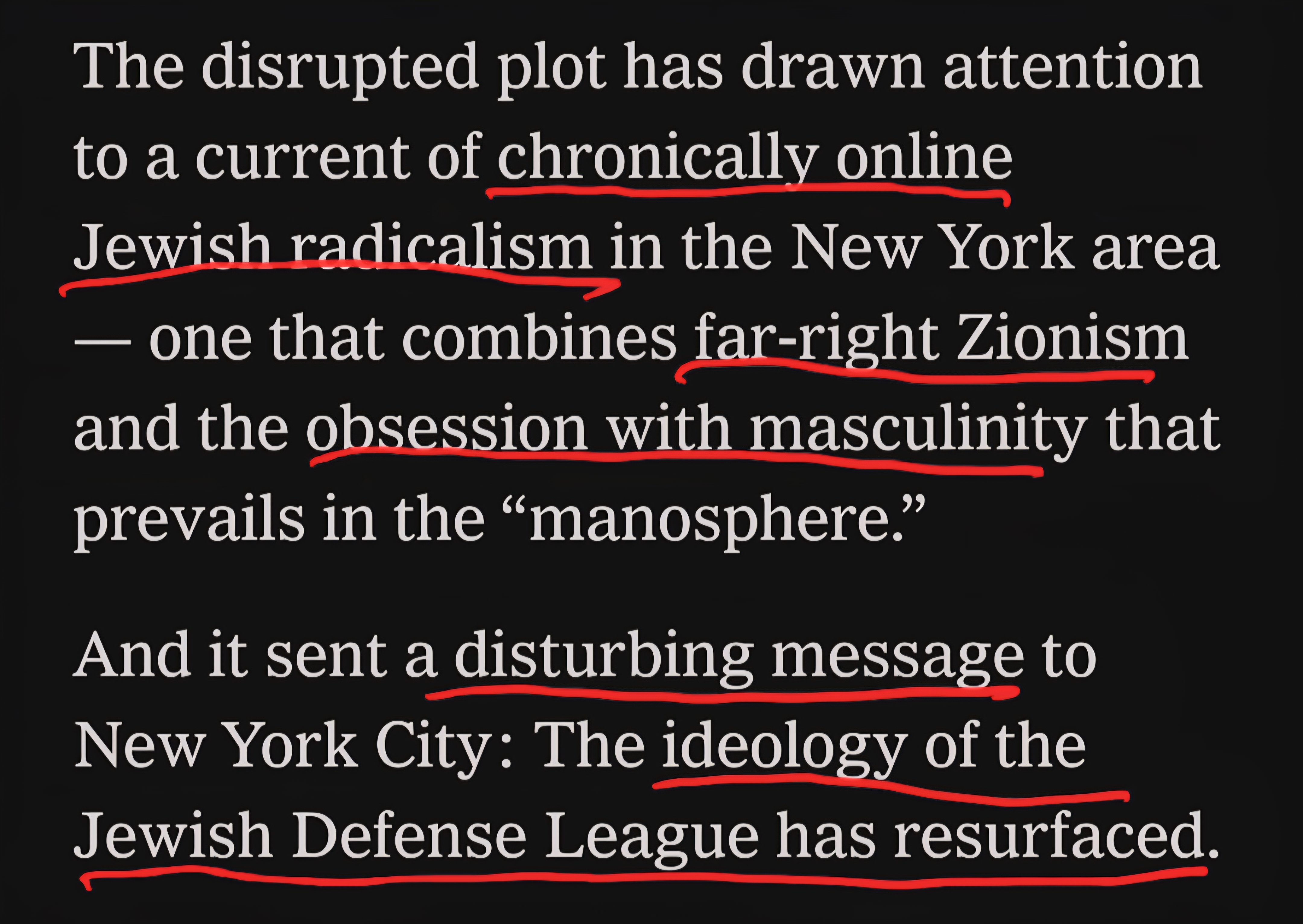
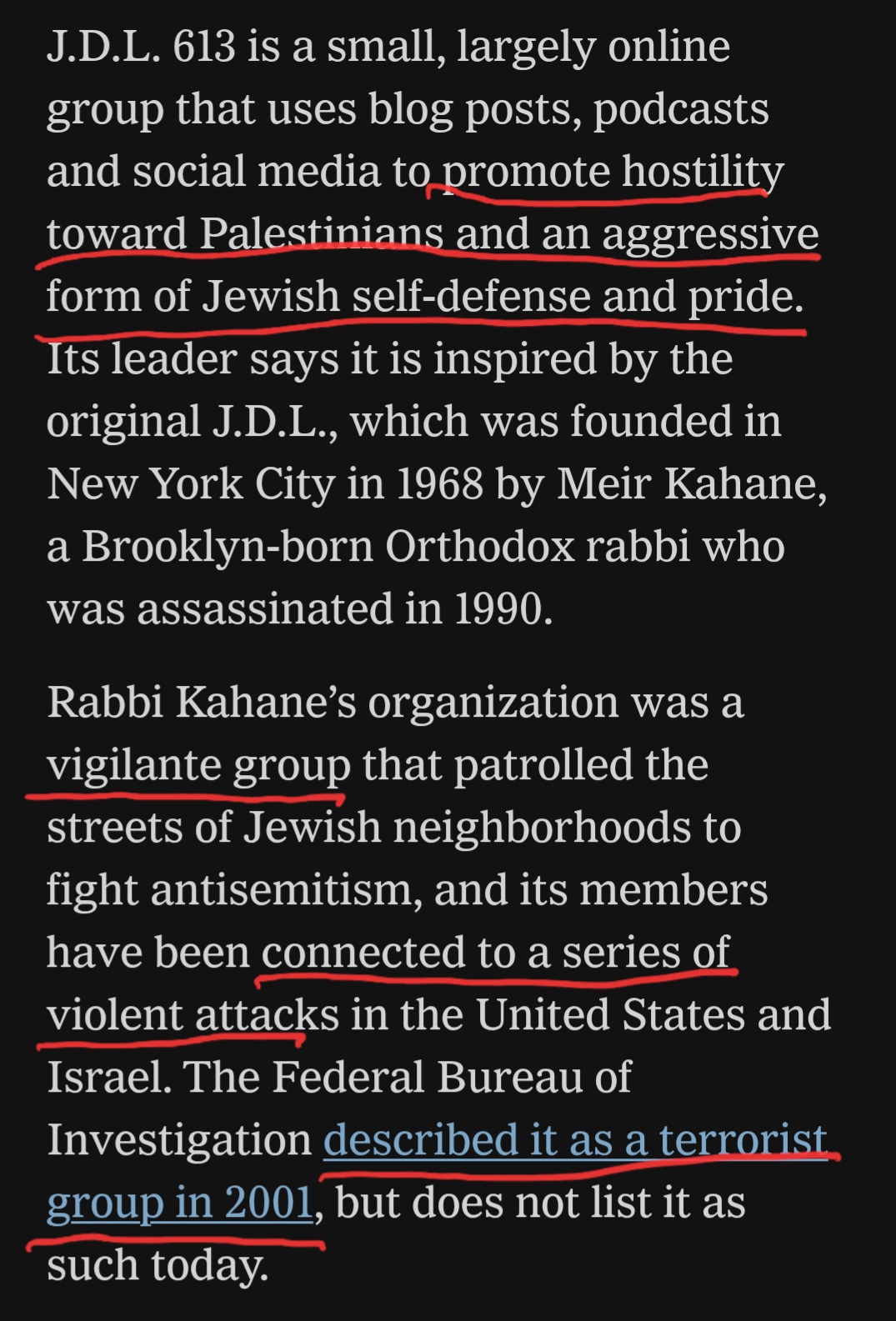
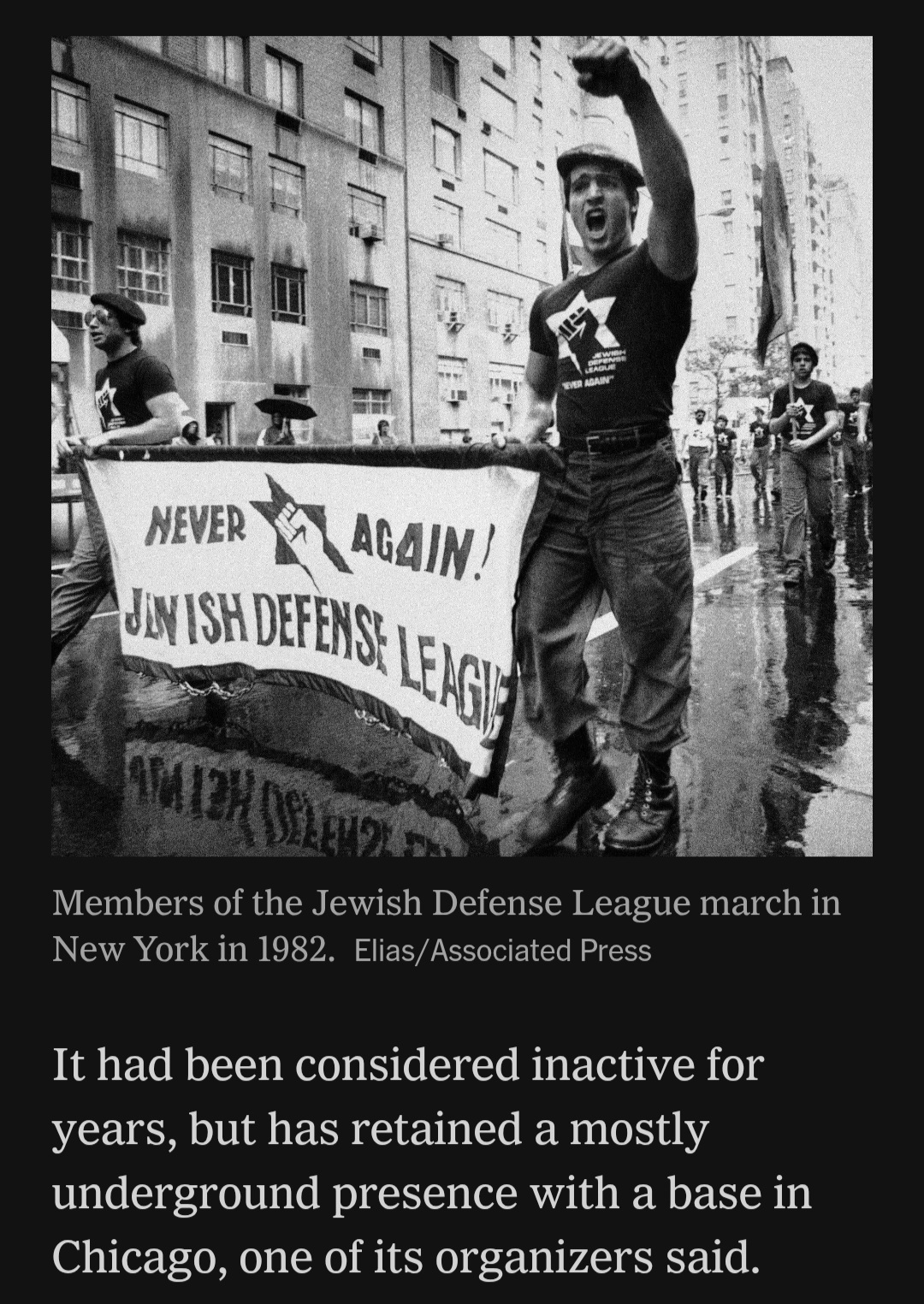
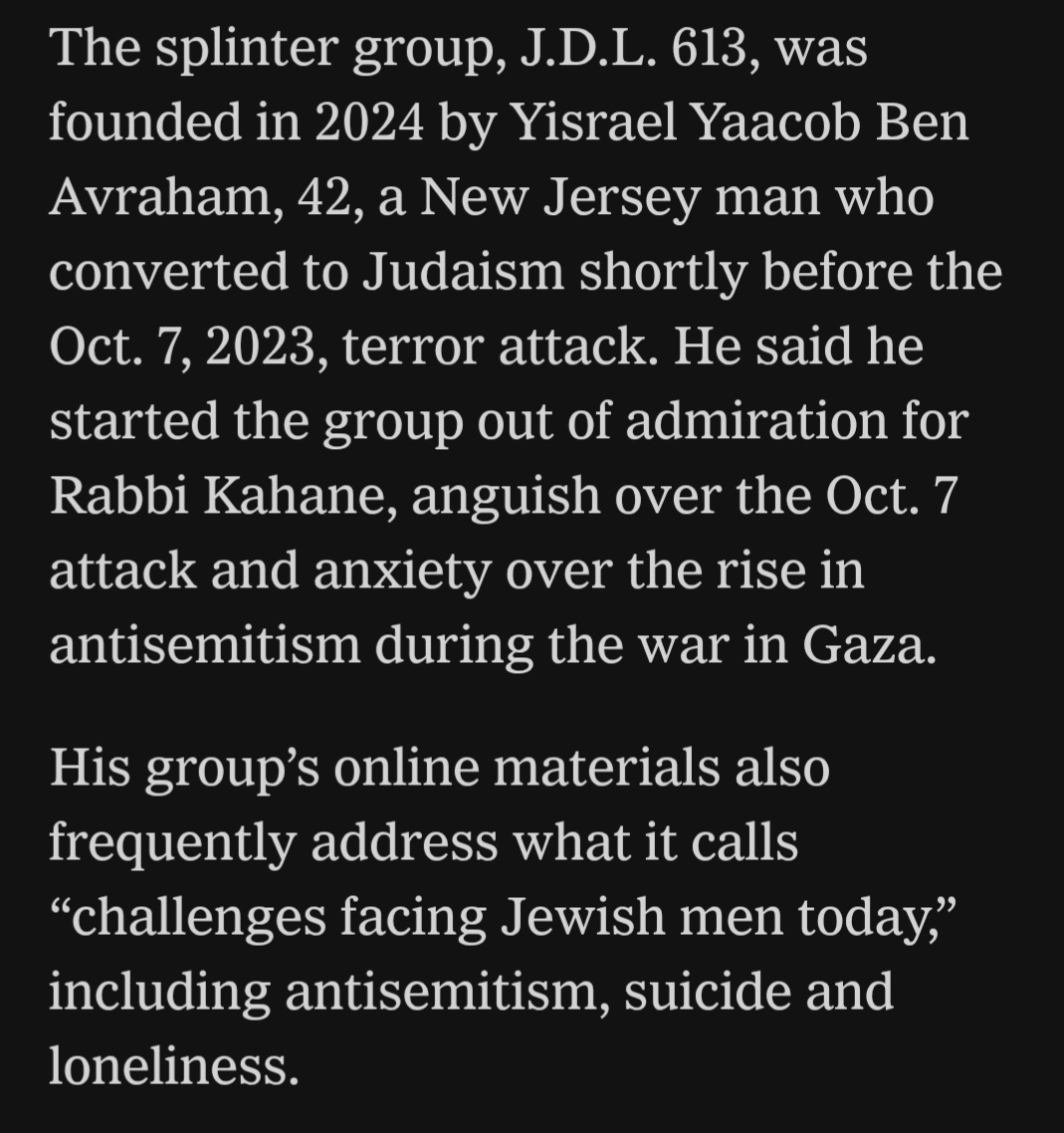
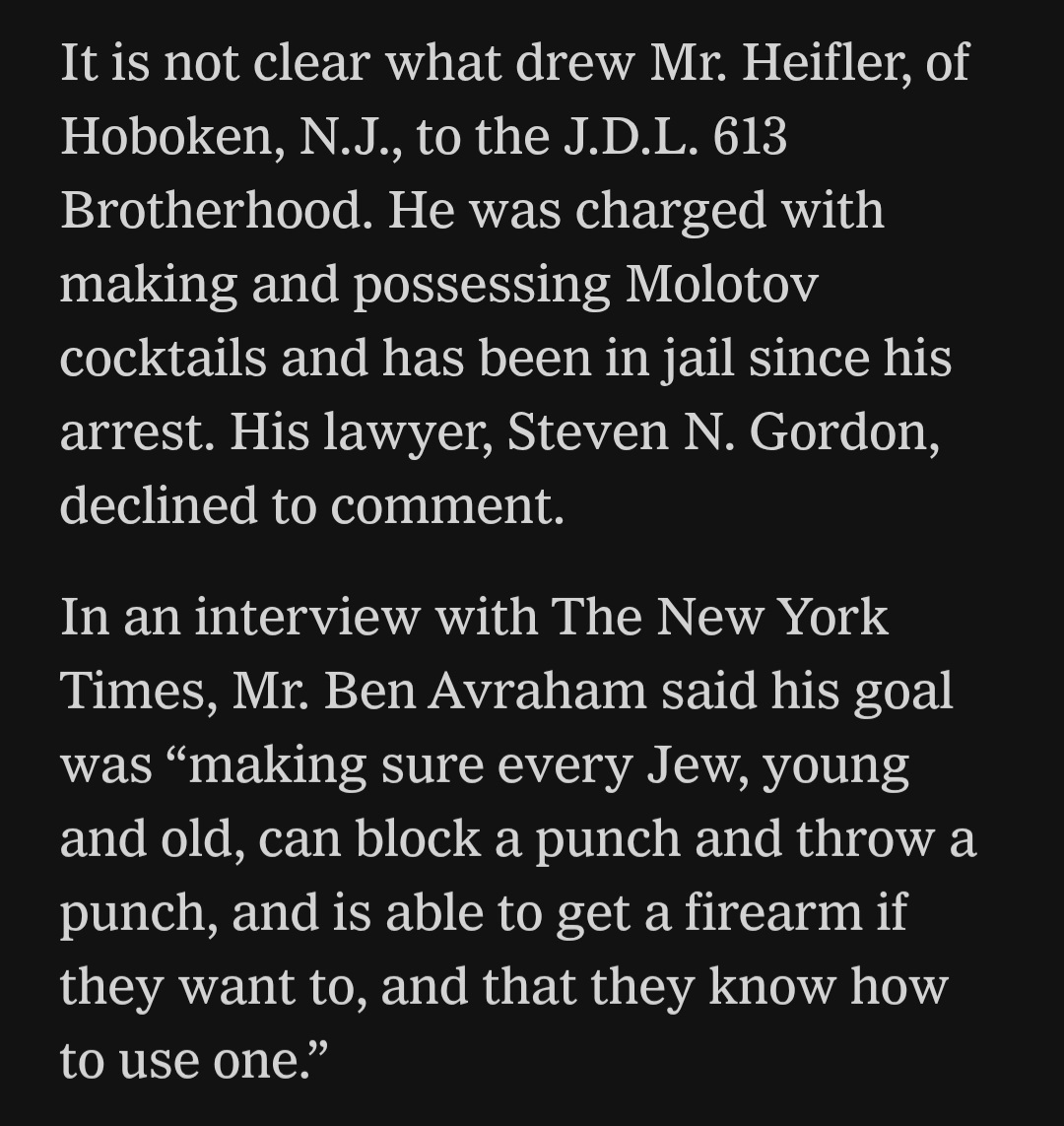
“apparent resurgence of far-right Zionism” – The New York Times
That framing collapses under the weight of what is actually happening.
2025 saw the highest number of Jews murdered in antisemitic attacks in over thirty years. Not plots—killings, specifically because they are Jews. Across cities and continents. In New York, Jews remain the primary target of hate crimes by a wide margin. Assaults are not hypothetical. They are routine. Visible Jews are attacked on the street, not in theory but in daylight.
So the inversion becomes obvious.
A stopped act by one fringe Jewish extremist becomes a sweeping narrative. A global surge in antisemitic violence becomes less than background noise.
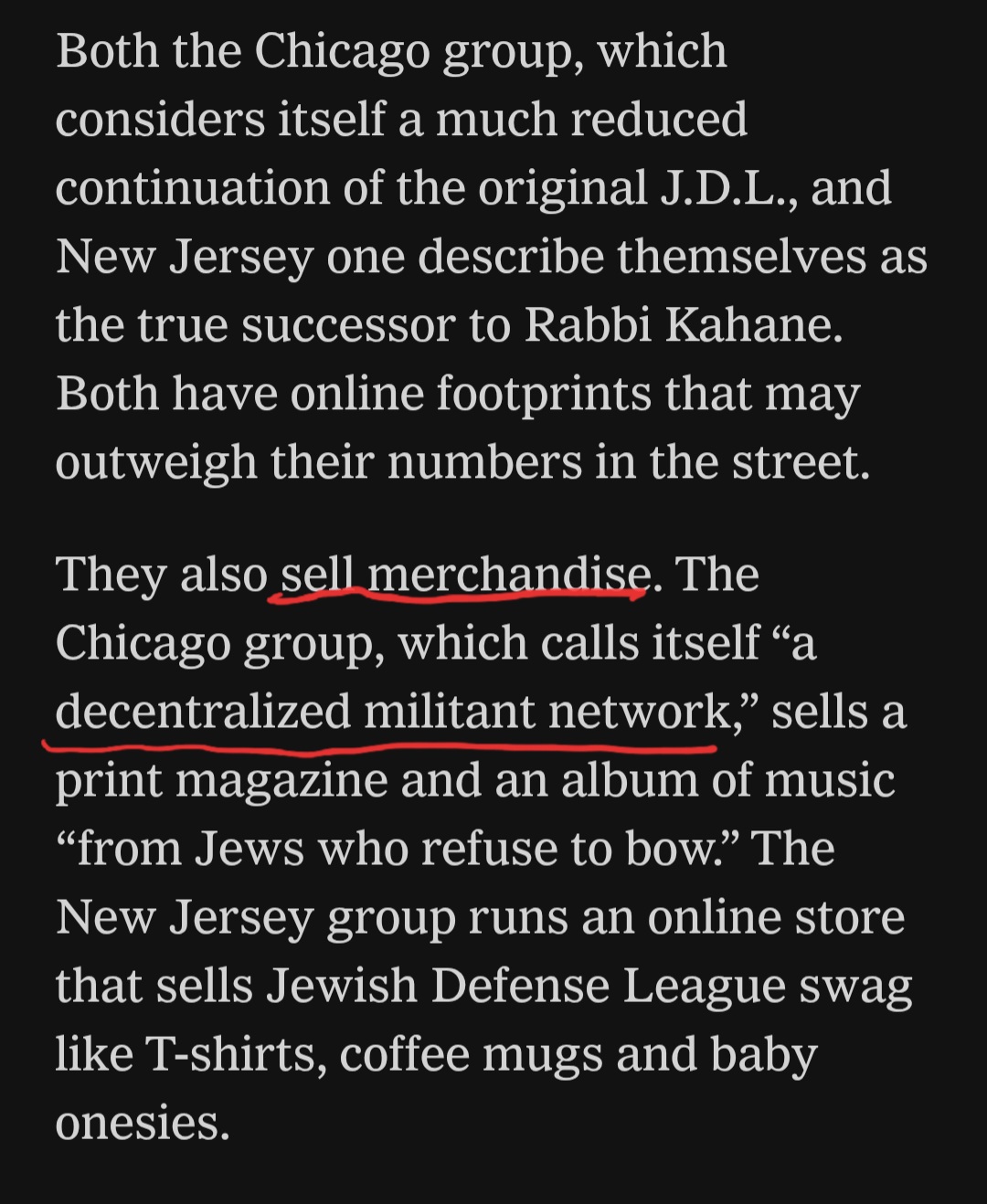
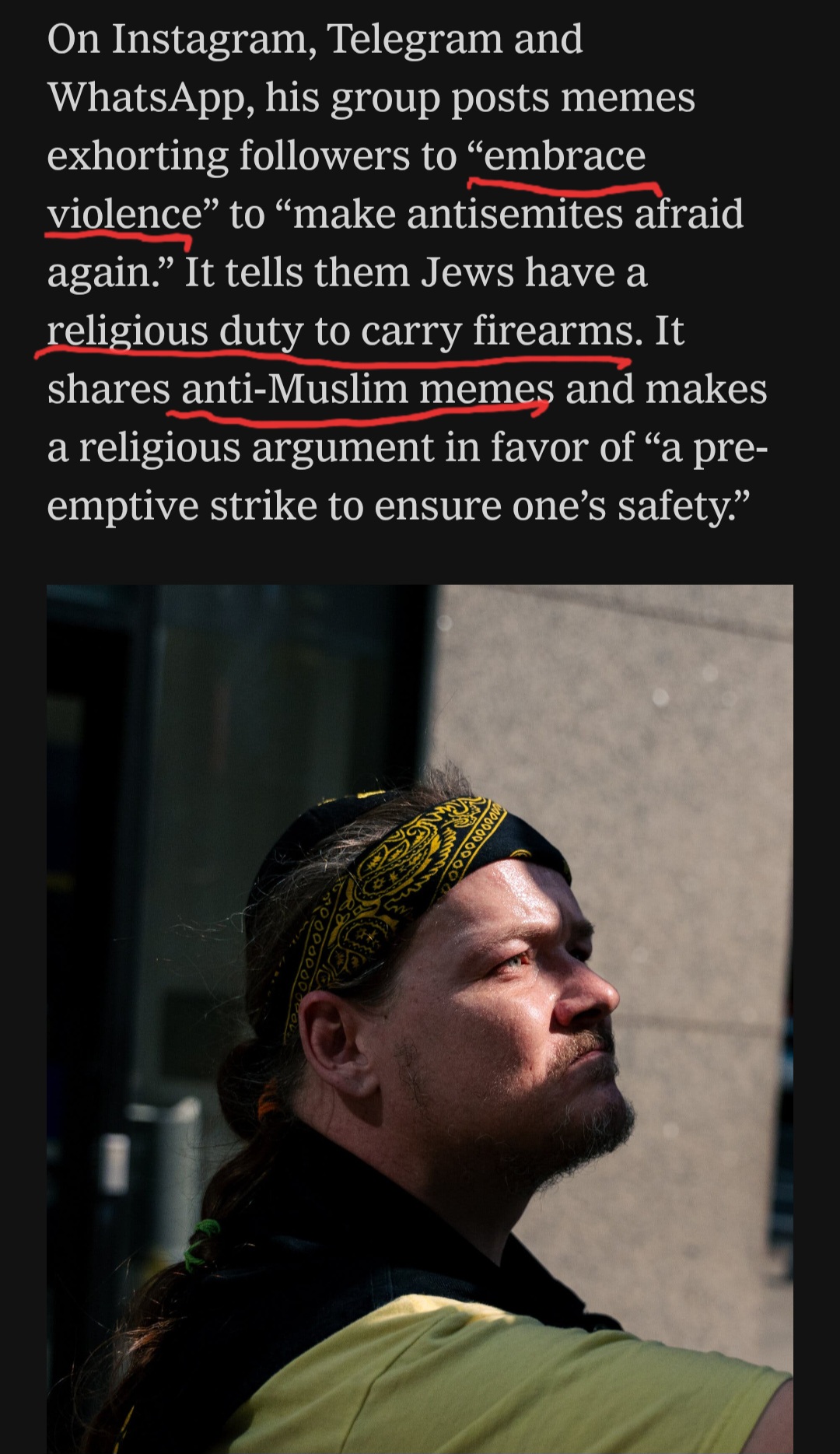
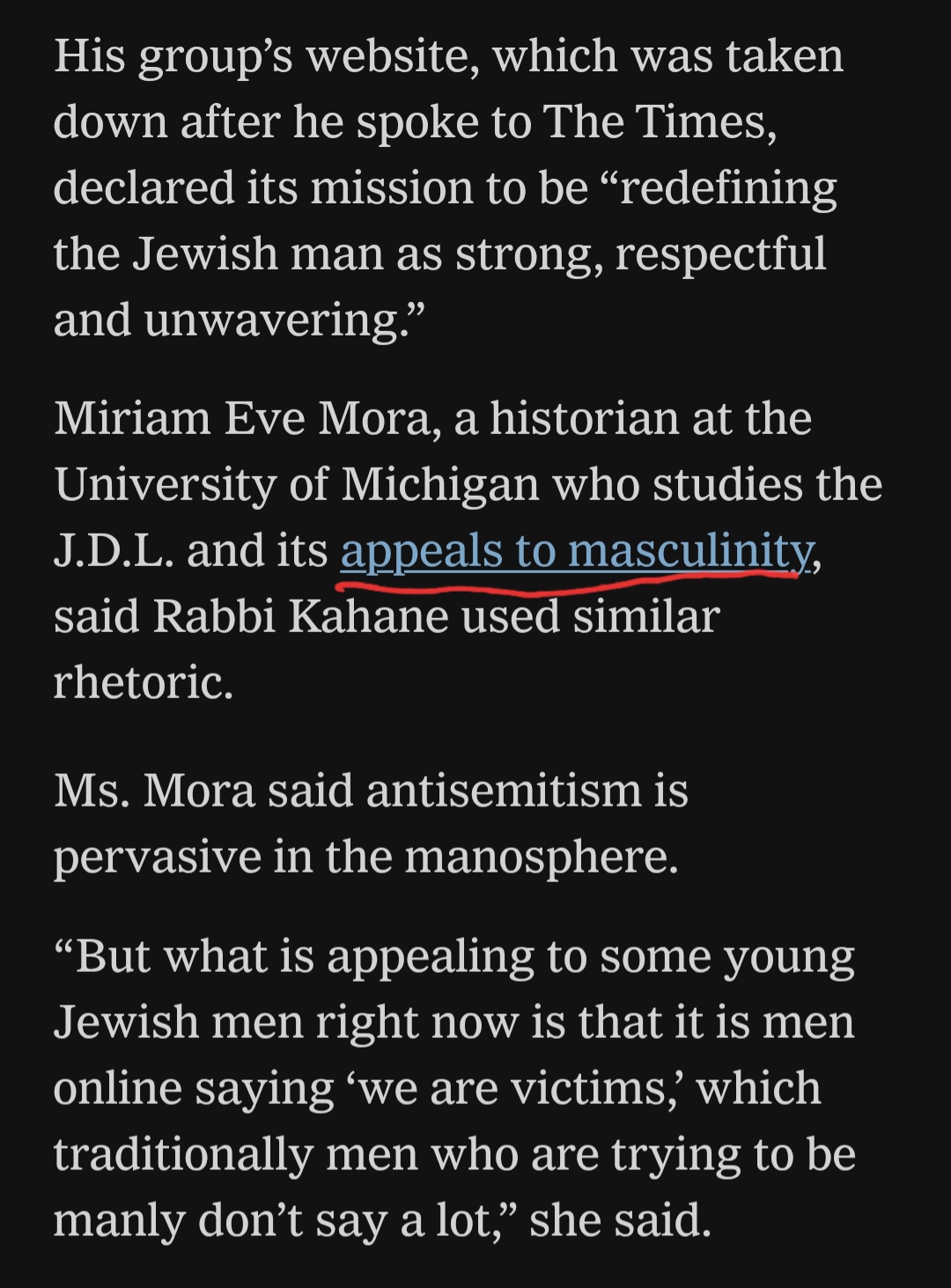
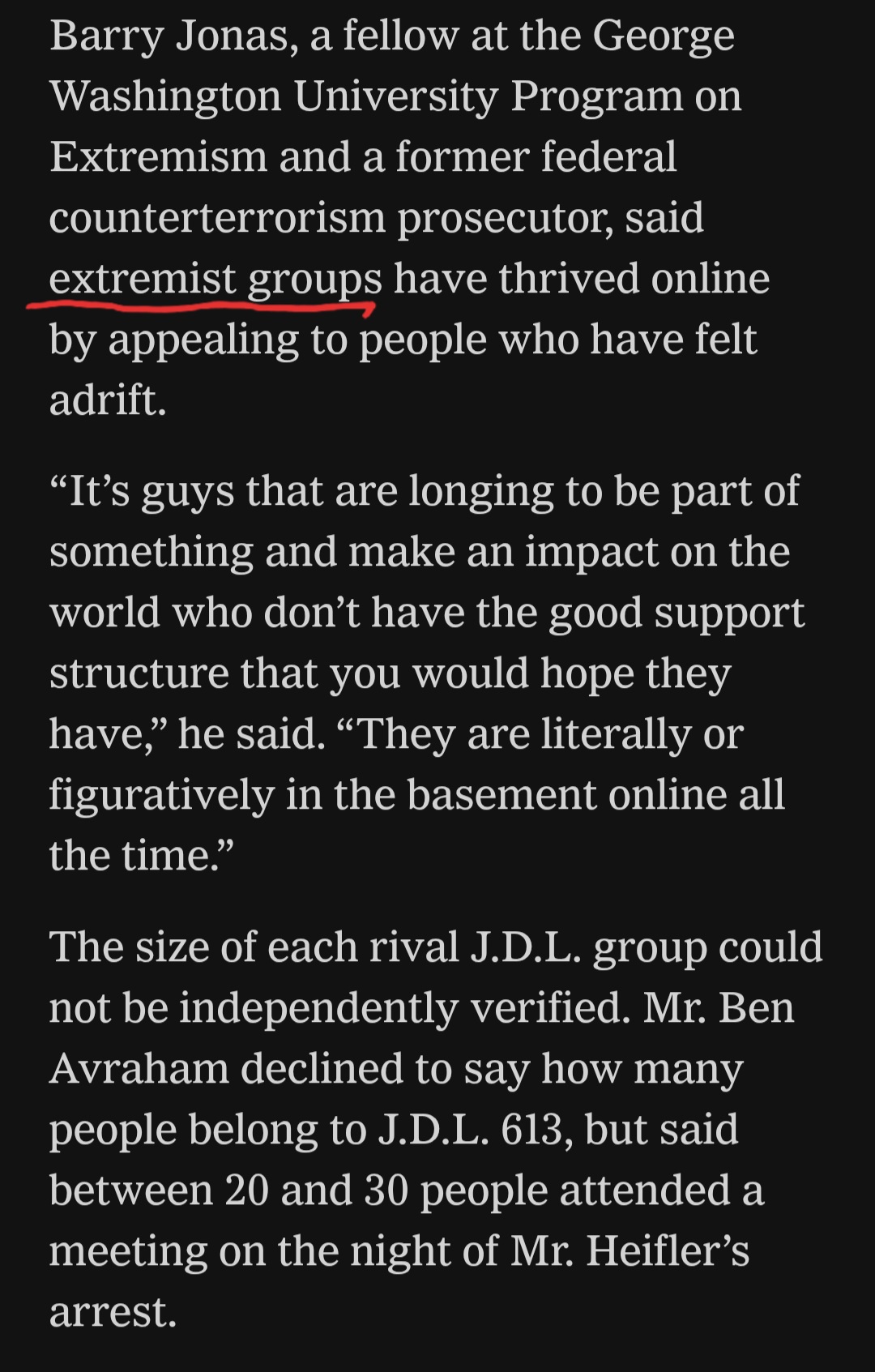
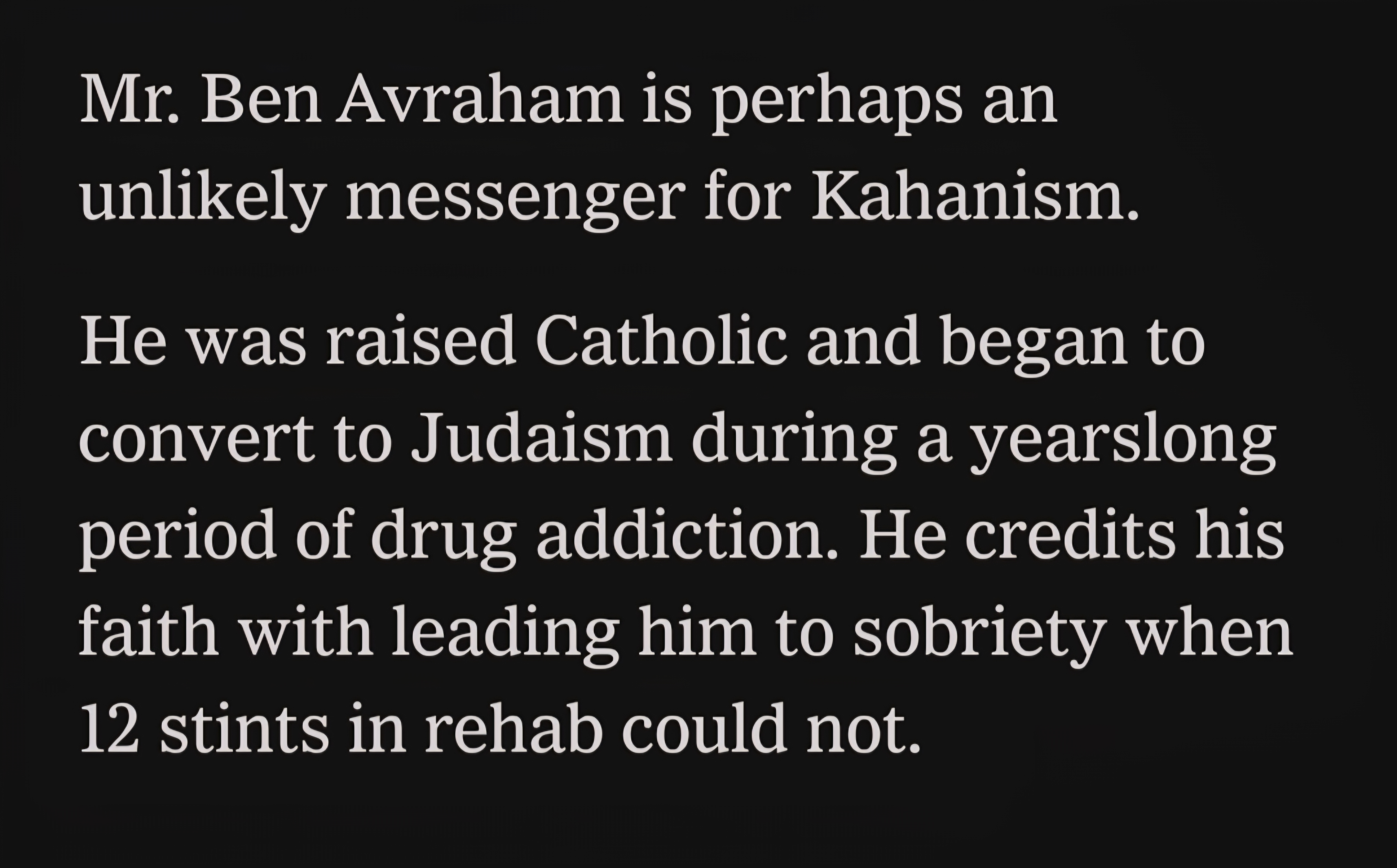
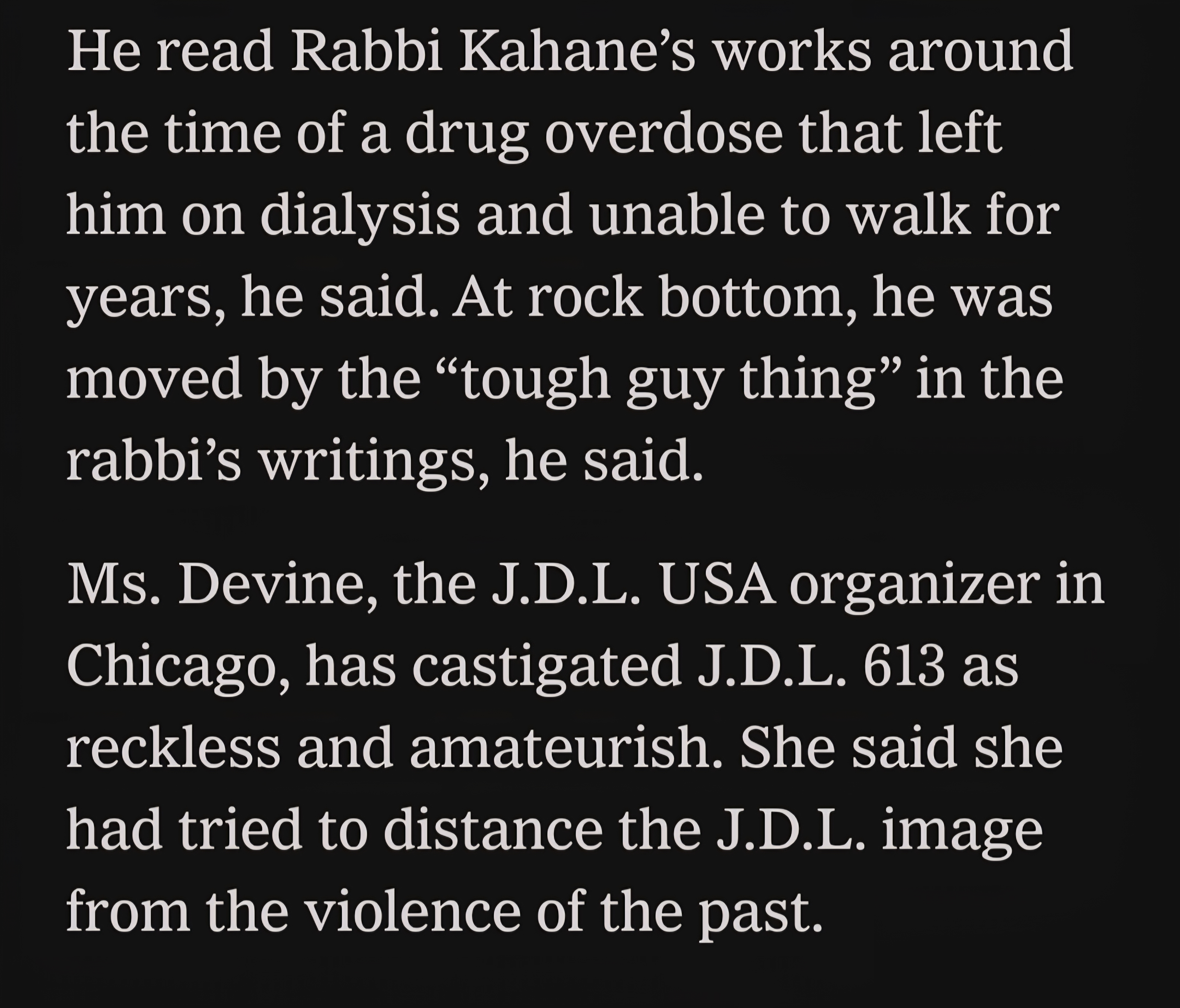
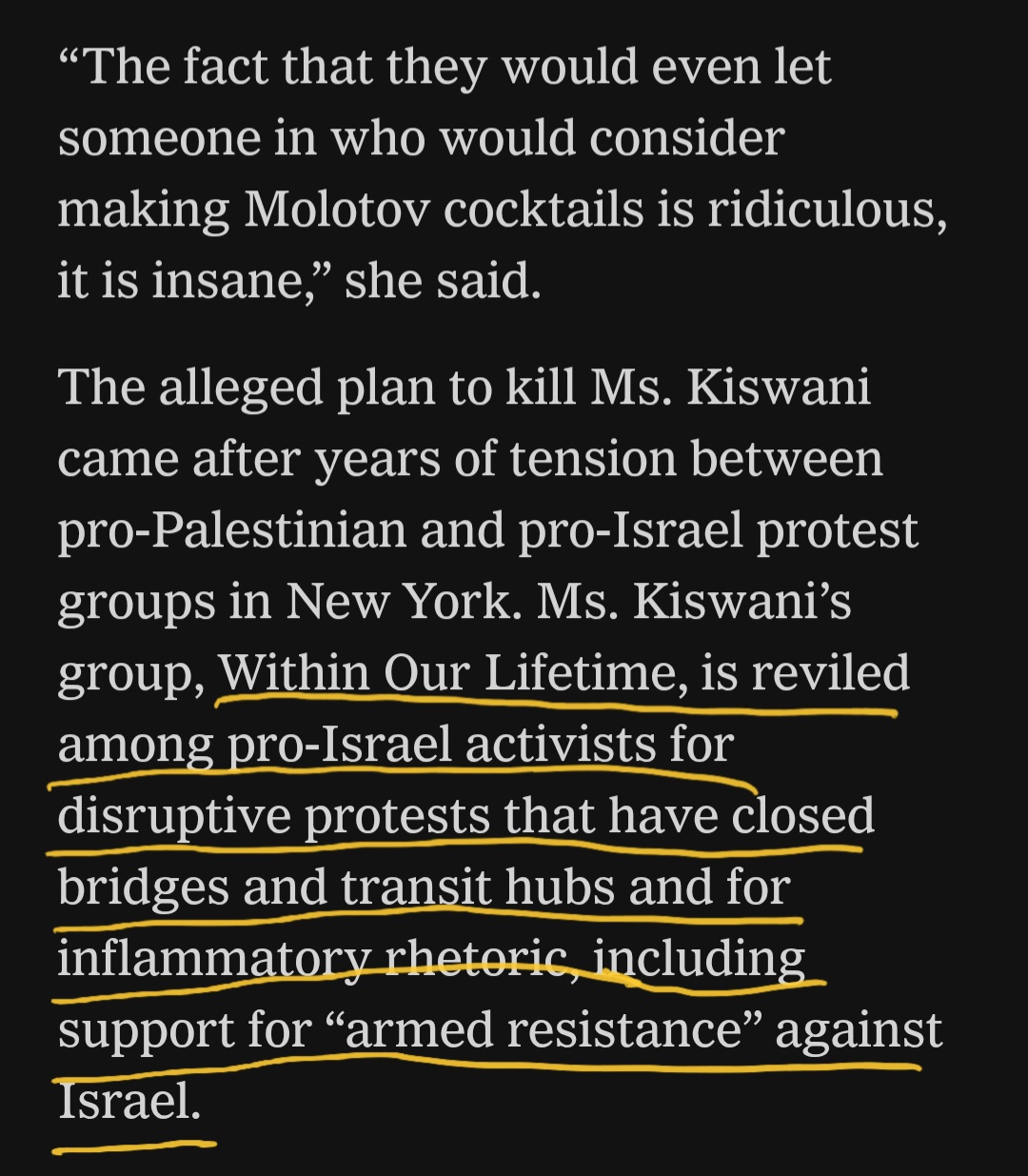
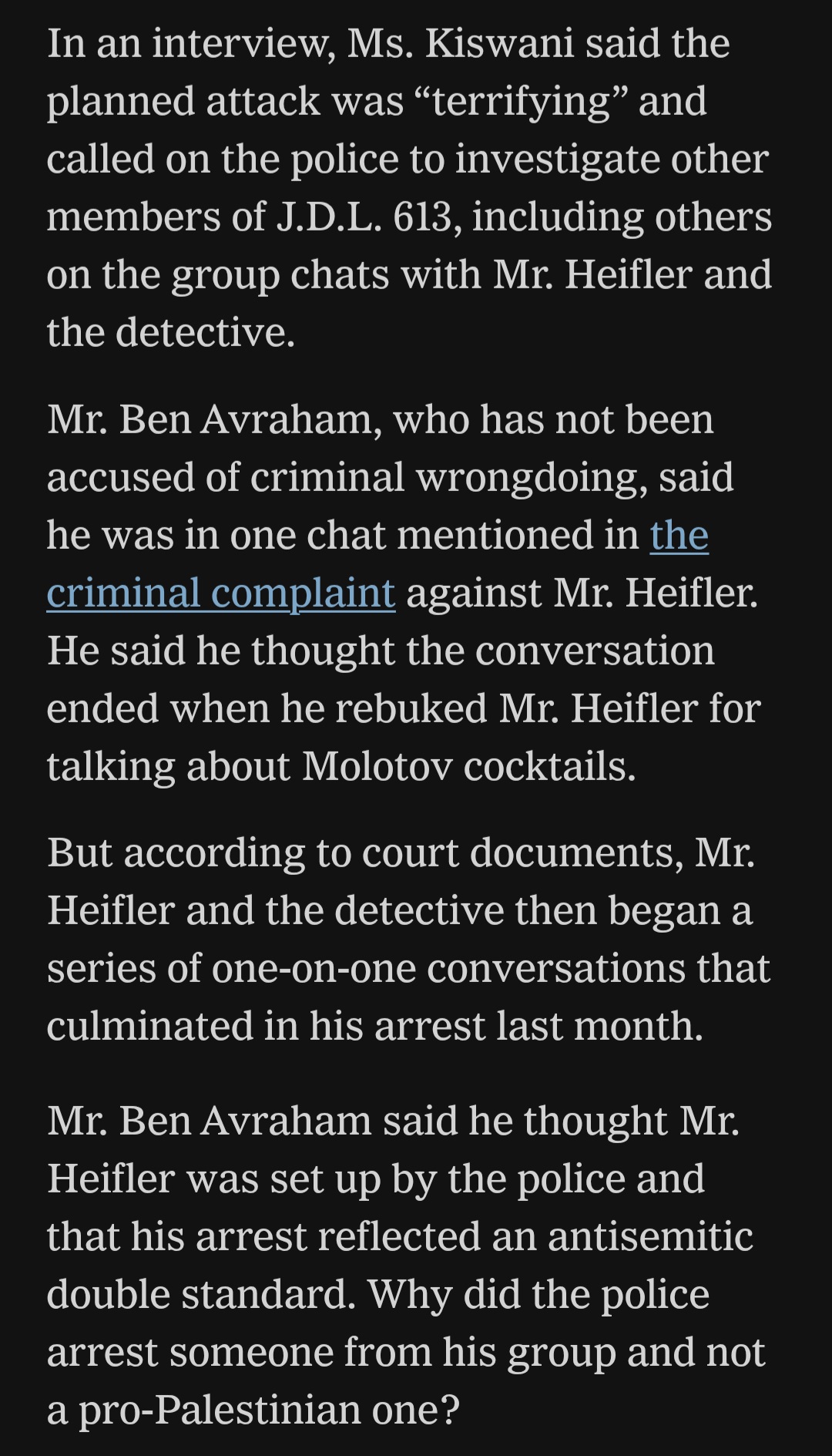
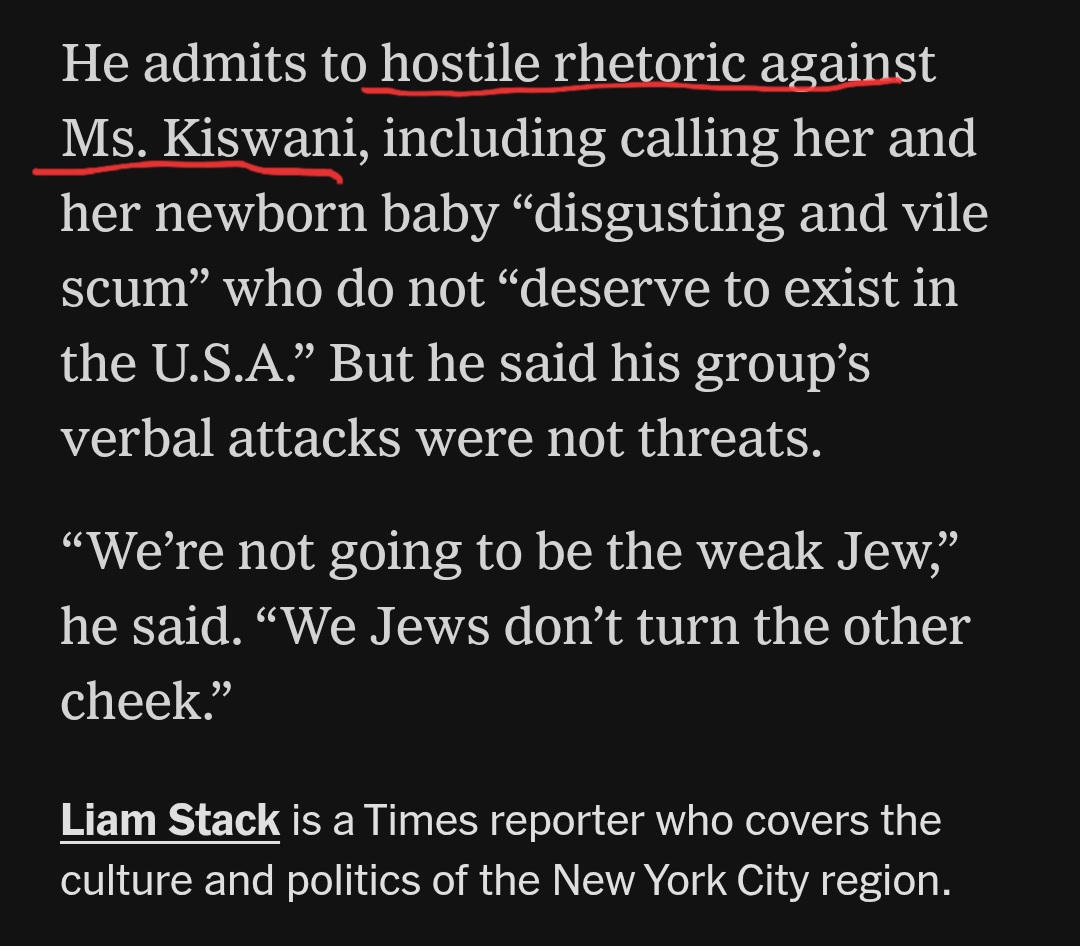
“a disturbing message to New York City: the ideology of the Jewish Defense League has resurfaced.” – The New York Times
This is not balance. It is misdirection.
Every society has extremists at its edges. Jewish communities are no exception. They should be confronted early and without hesitation. But scale matters. Sequence matters. When coverage elevates a single fringe actor into a defining story while minimizing the sustained targeting of Jews, it sends a clear signal about whose fear counts and whose does not.
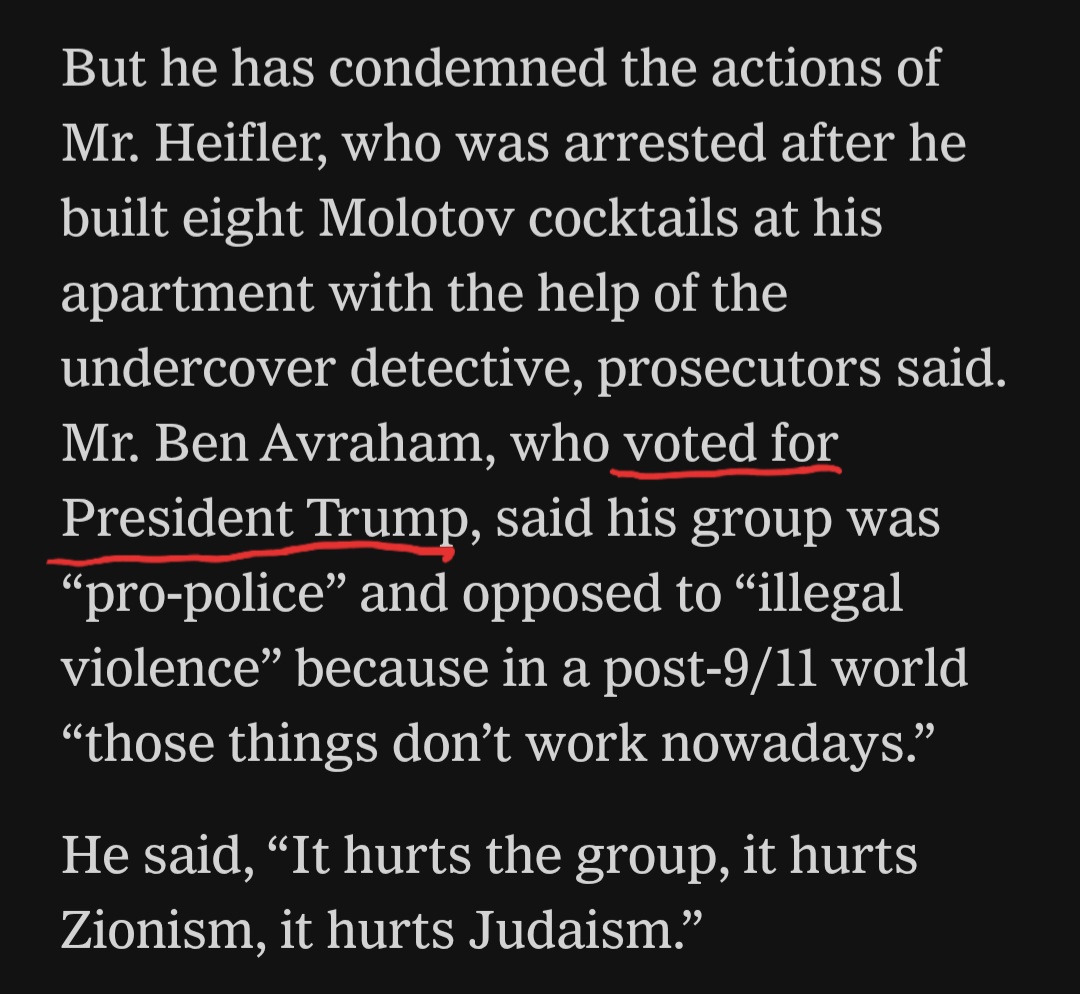
“voted for President Trump,” – The New York Times non-sequitur about member of the JDL, seemingly painting all Jews who voted for Trump as a potential extremists
And it feeds something deeper: the growing belief among Jews that institutions—from media to politics—are more comfortable scrutinizing Jewish reaction than confronting antisemitic aggression.
The real story is not that somewhere on the margins there are Jews capable of violence. Every people has that margin.
The real story is that Jews, in New York and across the diaspora, are once again living with a level of threat that is measurable, visible, and rising—and that too many prefer to mock the real security fear of Jews and cast Jews as the crux of the problem.


