
The headline deal which everyone pretends is a simple human-rights triumph — hostages home in exchange for prisoners and a ceasefire — is, on its face, a moral imperative. Families and politicians, of course want the war to end and hostages back home. But if we treat this swap as merely a humanitarian ledger without thinking about incentives, strategy and deterrence, we invite a replay of October 7 — not because anyone wants it, but because the arithmetic of the deal makes another mass-carnage payoff seem rational to those who plan such crimes.
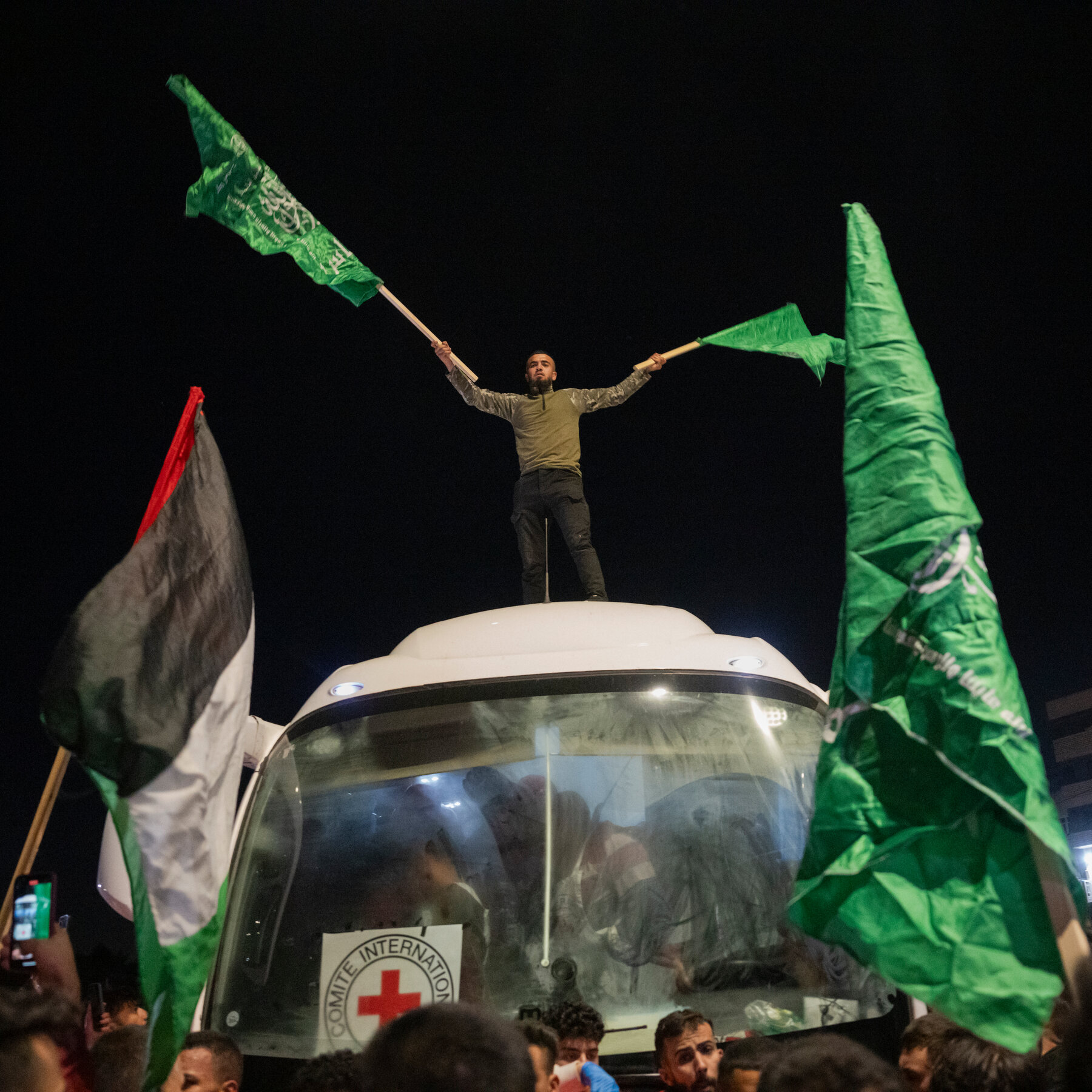
Here’s the cold calculus the bland statements miss.
Hostages for prisoners. Civilians for killers. A handful for hundreds. These trades have an immediate human relief value. The cost, however, is structural: they reset the reward function for terrorism. If a violent raid can reliably purchase the release of leadership, fighters, and political capital — and if the international response includes legal actions that delegitimize the responding state — then the net effect is to make mass atrocity an instrument of statecraft.
But the mathematics isn’t just – and must not be viewed as – the prisoner-to-hostage ratio. It includes the defensive response: the likely military, political, and territorial consequences of the assault. Hamas should be forced to accept that math too. If it contemplates another October 7-style operation as it has promised to do repeatedly, it must understand that the outcome will not be a tidy prisoner exchange and a televised victory lap. It will be the destruction of leadership and the decimation of military infrastructure, with broad international support for the defensive measures taken to prevent a repeat.
Which brings us to the international legal theater now playing out: the ICJ’s “genocide” accusations, the vociferous statements from states threatening arrest of Israeli officials, and the diplomatic embrace of Palestinian statehood in some quarters. These actions, however well intended by their proponents, have immediate strategic effects. They amplify Hamas’s narrative of global validation and, crucially, complicate the deterrent effect of defensive operations. If a state in self-defense risks being publicly criminalized or its leaders subject to arrest, the calculus of deterrence is altered – for the entire world.
So, what should sensible governments do if they insist on both protecting Palestinian rights and preventing another October 7? Two practical propositions:
- If regional governments want backing for Palestinian statehood and avoid terrorism in their own countries, they should drop the ICJ case. the Arab and Muslim countries which backed the U.S. ceasefire plan should pressure South Africa and other countries which brought the case to drop the charges and let diplomacy take center stage. Law and diplomacy should be tools of stability, not absolution for terror strategies.
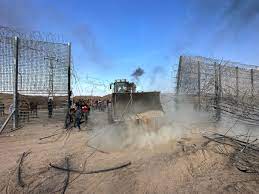
- If the desired outcome is that populations on both sides live within range of cross-border terror and reprisals, then investing in defensive infrastructure as a bridge to a political solution is a rational step. The United Nations and donor states should be pressed to fund a replacement barrier between Gaza and Israel — walls and surveillance that reduce the risk of mass infiltrations, so that the question of where futures lie for Palestinians becomes a matter of state-building and safety inside Gaza, not a perpetual recruitment slogan for militancy.
This is not a call to abandon human rights oversight or to whitewash abuses. Accountability and adherence to international law matter. But timing and incentives matter too. Legal actions taken in the heat of war — unmoored from a strategy to prevent recurrence — can harden positions and diminish the tools of deterrence. If the objective is to keep people alive and build a durable peace that allows Stateless Arabs from Palestine (SAPs) self-determination without repeated massacres, then international actors must think like engineers of stability, not moral prosecutors on a press release timetable.
If we are serious about both ending the war and preventing future acts of mass terrorism and barbarity, we must stop evaluating deals by immediate feel-good optics alone. The right measure of a deal includes whether it reduces the incentive to perpetrate mass atrocities, strengthens deterrence against their planners, and clears a path toward political arrangements that give civilians on all sides a future. Anything less is not a solution — it is an invitation.



 First One Through