As the Israelites prepare to enter the Land of Israel in Matot-Masei, the tribes of Reuben and Gad ask for permission to settle east of the Jordan. Moses agrees – but with one condition. They may not enjoy the security of their own homes until they first help the other tribes secure theirs.
The message is striking. Before you settle comfortably into your own inheritance, help your community establish theirs. It is not charity but community responsibility.
Every tribe had a rightful place in the land. Every family deserved the opportunity to build a secure home. The community could not be considered settled until everyone had the chance to settle.
Thousands of years later, most of us no longer inherit farmland. We build our lives through careers instead. Our “land” is our livelihood.
That is where another Torah command offers a practical model.
Earlier in the Torah, God commands farmers:
“When you reap the harvest of your land, you shall not reap all the way to the corners of your field… You shall leave them for the poor and the stranger.” (Leviticus 19:9–10)
The mitzvot of pe’ah and leket required every farmer to leave part of the harvest behind. Generosity was built into the act of production itself.
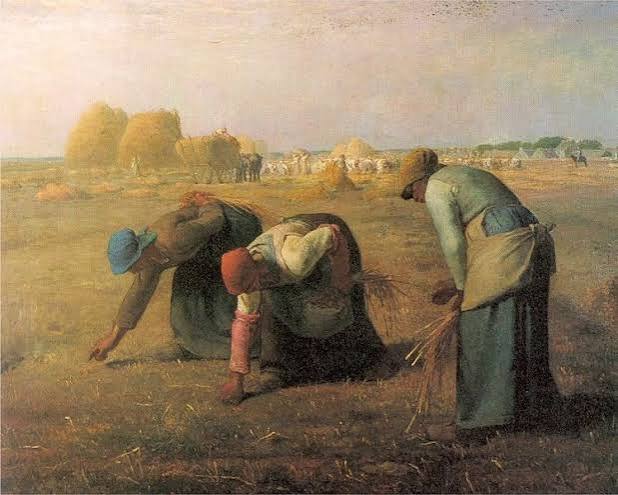
Today, our field is no longer measured in acres but in calendars. So what if we left the corner of our workweek instead?
Imagine reserving part of every Friday to help someone establish a livelihood. Mentor a college student wondering how to begin a career. Introduce an unemployed neighbor to someone in your network. Coach an underemployed professional preparing for interviews. Spend an hour helping someone discover opportunities they cannot reach alone.
The greatest barrier facing many young adults today is not a lack of talent. It is a lack of access – to mentors, relationships, introductions, and guidance. A single conversation can redirect a career. One introduction can change the course of a life.
Matot-Masei teaches that we are responsible for helping others reach a place of security before we simply enjoy our own. Pe’ah teaches us to leave part of what we produce for others.
Together they suggest a modern mitzvah: leave the corner of your workweek to help others.
The harvest is no longer wheat for many of us. It is knowledge, experience, influence, and opportunity. So perhaps one of the holiest things we can do is use part of ours to help someone else build a future of their own.


