
Spring break arrives and the terminals fill. Families in flip-flops inch forward. Teenagers clutch boarding passes. Parents juggle passports, snacks, and patience. The line barely moves. Weeks later it repeats on Passover and Easter: travel with checkpoints.
While it feels like inconvenience, it is much more.
It is memory.
It is cost.
It is consequence.
The line begins with the September 11 attacks, when operatives from the genocidal jihadist group al-Qaeda boarded planes as passengers and turned them into weapons. Nearly three thousand civilians were killed in a single morning. The attack followed a clear logic: target civilians in the West, maximize scale, use the openness of modern Democratic systems against themselves.
Out of that morning came the Transportation Security Administration. The bins. The scanners. The choreography of shoes, belts, and laptops. A system built to harden what had already been breached.
It continues today at scale.
The United States still designates a range of these Islamic superiority groups as terrorist organizations:
- al-Qaeda
- Islamic State (ISIS)
- al-Shabaab
- Boko Haram
- Tehrik-i-Taliban Pakistan
- Hamas
- Hezbollah
They differ in leadership, geography, and strategy yet converge in one place: the justification of violence against western civilians in the name of radical Islam.
Hamas makes the convergence unmistakable. Its founding charter is replete with calls to kill Jews and destroy the Jewish State. Its leadership has framed the conflict in absolutist terms. And on October 7, its fighters carried out coordinated attacks that deliberately targeted civilians—families in homes, people at a music festival—turning them into instruments of terror in a way that was both intentional and public.
Different names and different flags. Same methodology and targets.
Those jihadi ideas do not stay contained to a battlefield. They reshape daily life.
It shows up in synagogues and churches where doors are locked and guards stand watch during prayer. In stadiums and concerts where bags are checked and perimeters hardened. In city streets lined with barriers. In subway systems with armed patrols. In office buildings where access is controlled and monitored.
Everyday life has been redesigned around the possibility of civilian targeting.
Every traveler standing in a TSA line is paying part of that price. Every secured synagogue, every guarded stadium, every hardened entrance carries the same cost.
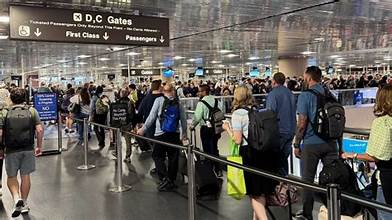
Aviation remains a focus for a reason. It concentrates civilians. It symbolizes openness. It offers reach. So the security system stays because the threat did not disappear.
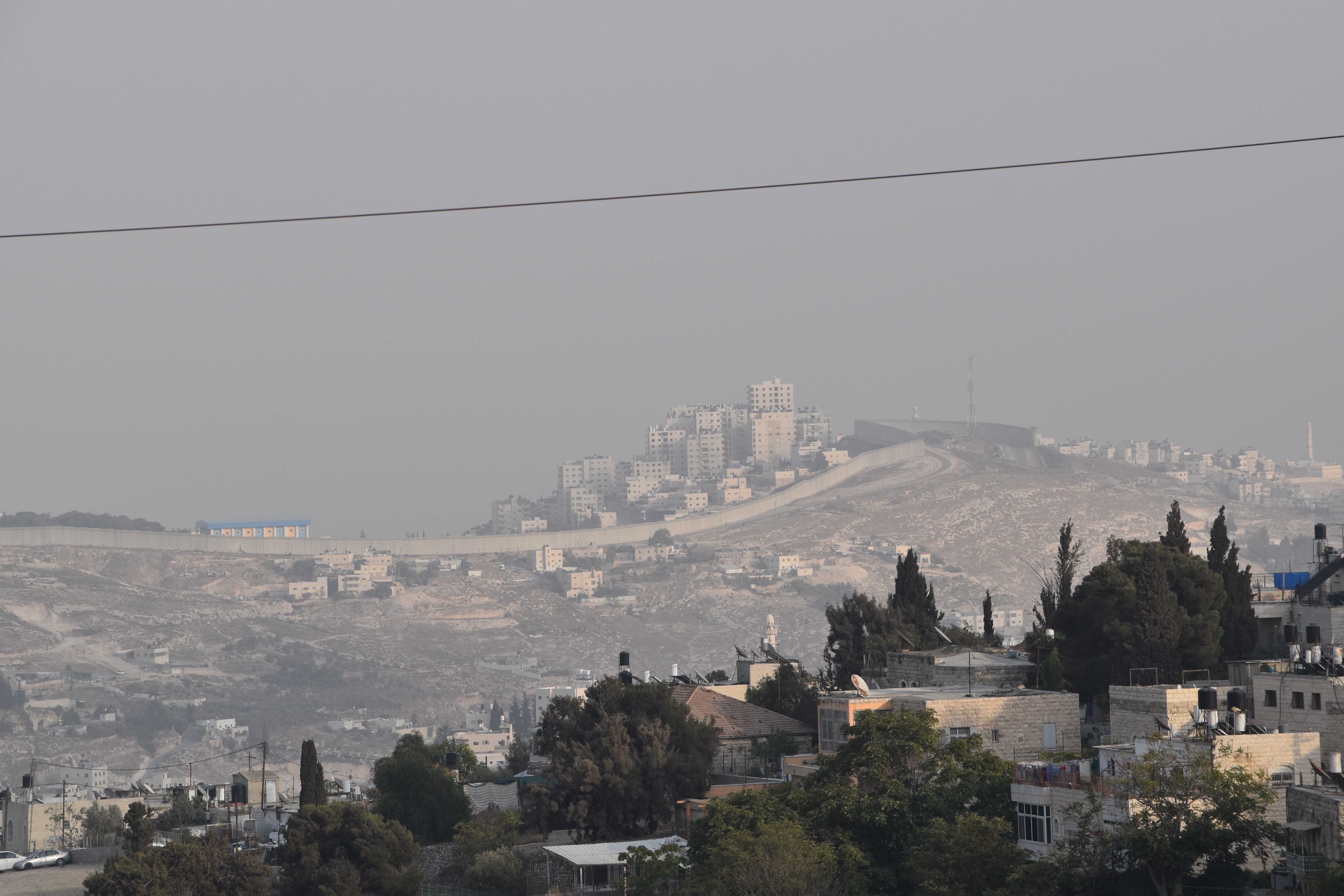
As in Israel, faced with daily threats.

Spring break travelers do not think about jihadi ideology when they remove their shoes. Families heading to a Passover seder or an Easter gathering do not connect their delay to Islamic extremist networks.
But they are connected.
To a morning in September.
To an idea that still circulates.
To organizations that still recruit, plan, and attack.
Which are now being promoted and protected by elected officials and a socialist-jihadi alliance growing inside the West.



 First One Through