
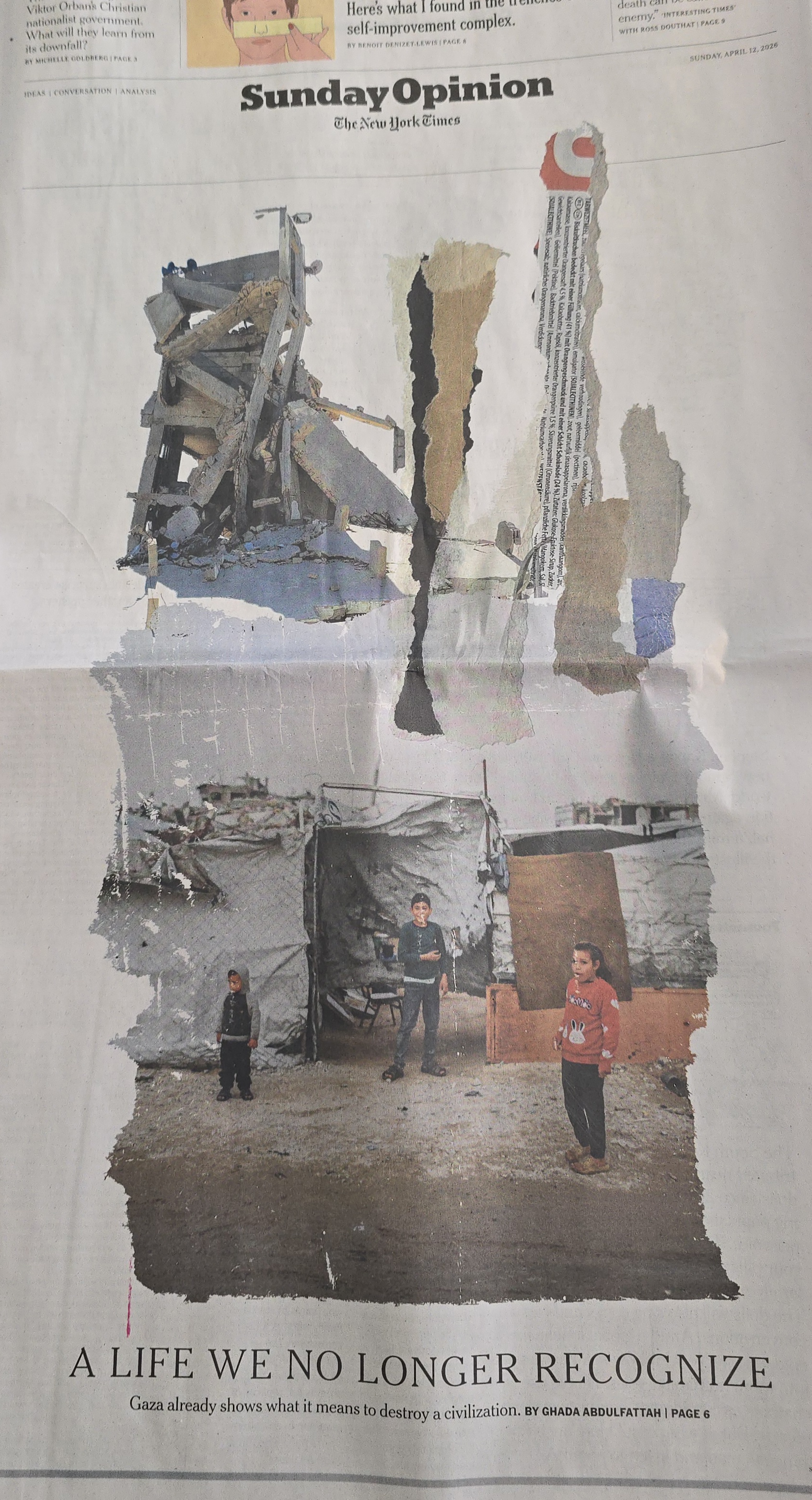
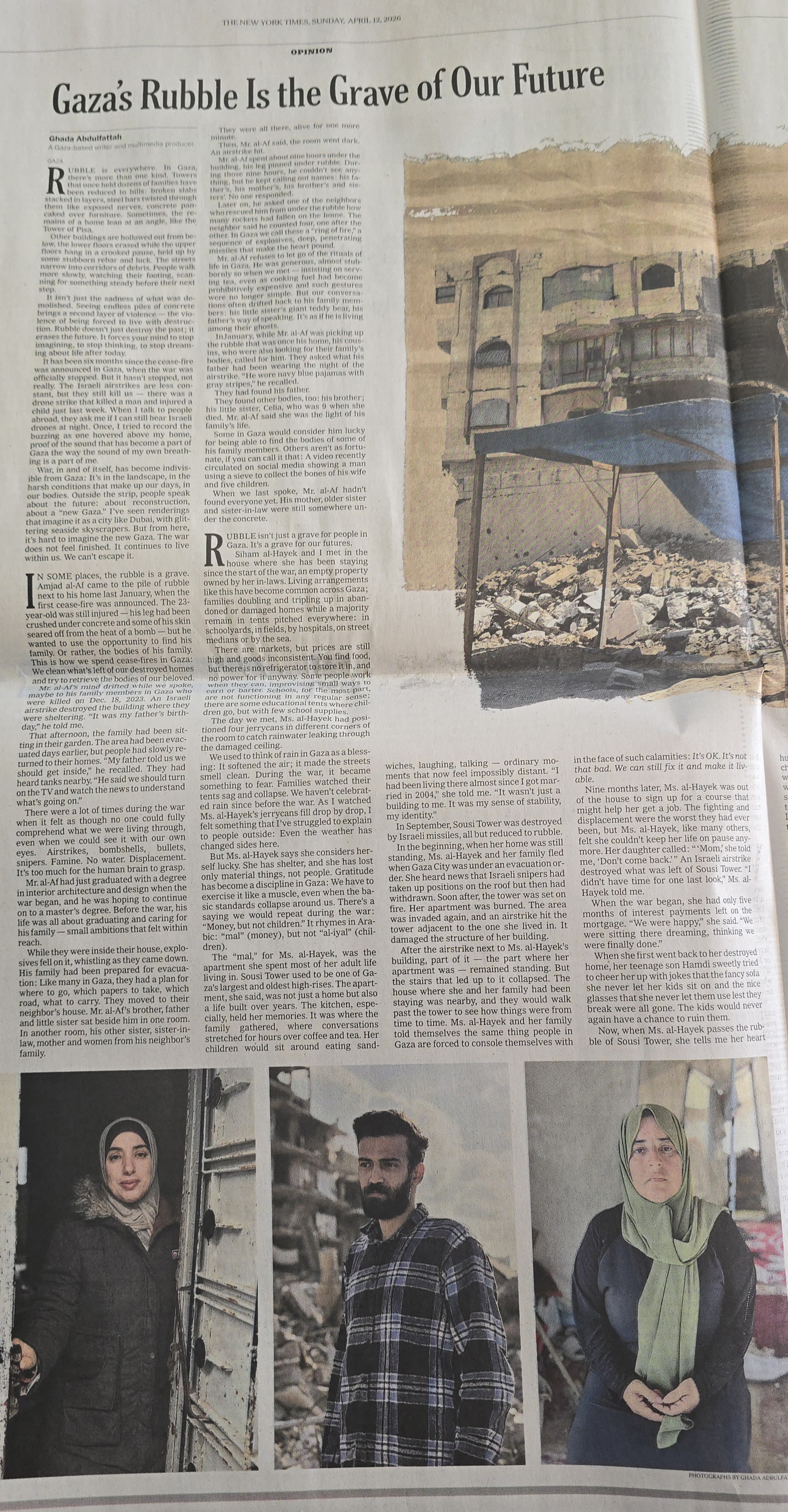
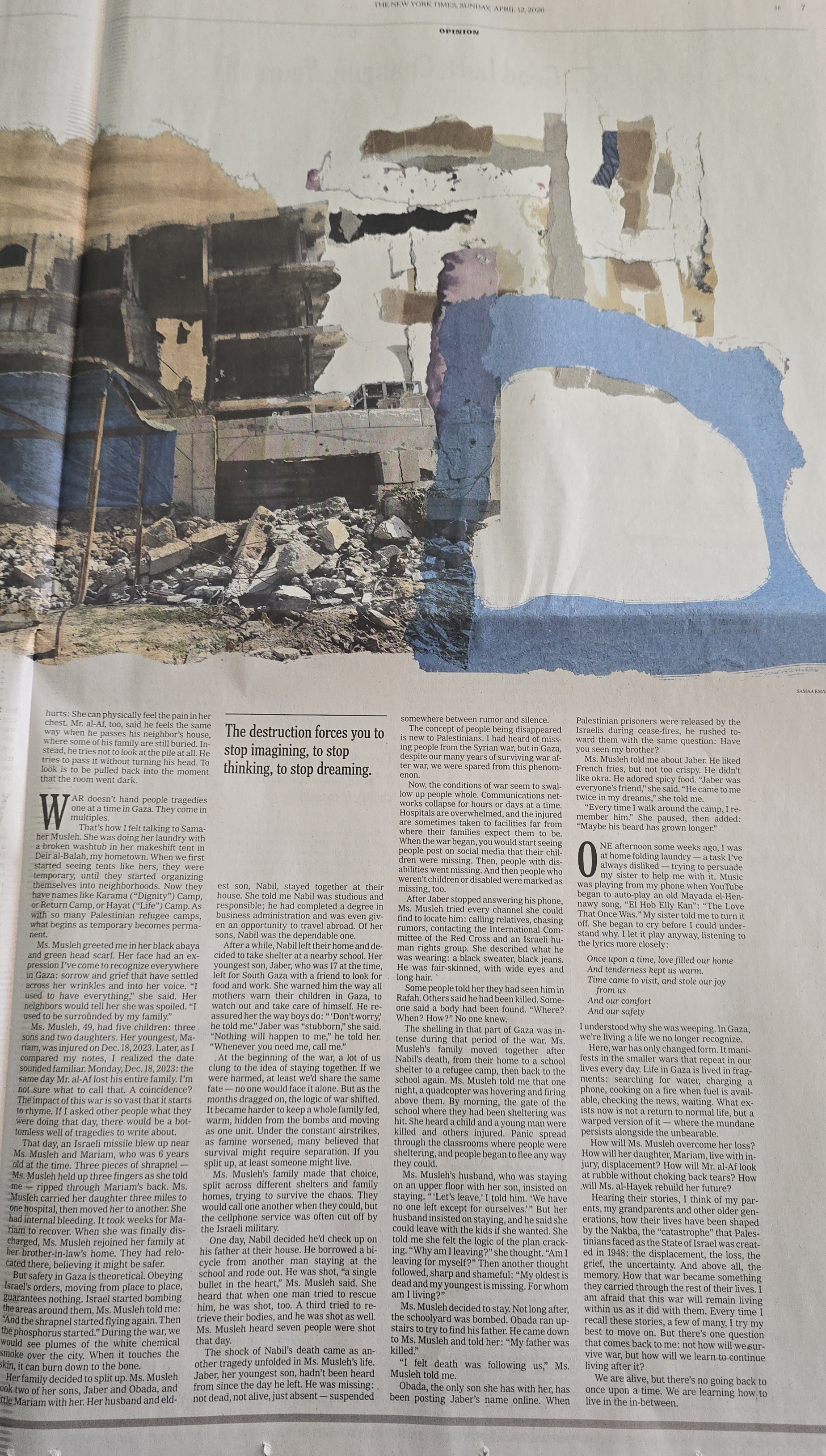
The images out of Gaza arrive stripped of their foundation. Open the The New York Times opinion pages this week and the story feels preassembled: civilians suffer, Israel strikes, outrage follows. It reads cleanly because something essential has been left out. This war does not begin and end on the surface.
It runs underground.
Beneath Gaza sits one of the most extensive underground military networks in the modern world, built by Hamas over years with money, materials, and time that could have gone elsewhere. The elaborate system of reinforced corridors, command centers, weapons depots, communications lines was designed to survive bombardment and keep a war going no matter what happens above.
Call it what it is: a vast network of bomb shelters.
Now say the part that rarely gets said clearly: Those shelters were never meant for civilians. They were never opened to families. They were never opened to children. They were never opened to the elderly. They were reserved—by design—for fighters, for leadership, for the preservation of the war machine itself.
In any other place, that would be unthinkable. Governments build shelters to protect their populations. When sirens sound, people go underground. Here, the system was inverted. Protection went below ground for those prosecuting the war. Exposure remained above ground for those living in it.
So when the bombs fall, the images follow. Families in rubble. Crowded rooms. Children pulled from collapsed buildings. The world reacts to an outcome shaped long before the first strike in this round of fighting. The protection existed. It was built. And Gazans were never allowed to use it.
That is the story that flips the frame.
This is not only a story of what Israel is doing. It is a story of what Hamas chose to build, and who it chose to protect with it. The tunnels are not just military infrastructure. They are a hierarchy set in concrete. Survival below ground for the regime. Exposure above ground for everyone else.
Once you see that, it becomes impossible to unsee. The destruction remains devastating but it has critical context. It sits alongside a governing strategy that hardened one layer of Gaza while leaving the other to absorb the war.
And that strategy is not finished. It points directly to what comes next. If Hamas remains, Gaza does not rebuild in the way people hope. It continues in the direction it has already taken. More tunnels. More infrastructure embedded beneath dense civilian areas. More resources pulled downward into war instead of upward into life.
The future of Gaza is not being debated. It has already been built.
It just was never built for the people living above it.
And the socialist-jihadi media like The New York Times, will paint a picture of pure fiction, one in which Gazans are the victims of rubble, not tunnels; victims of the Jewish State, not Hamas; victims of “genocide,” not perpetrators of genocide.
And for good measure, it will add a cartoon of a Jewish Holocaust survivor protesting about Israel committing a genocide in Gaza, to completely embalm its inversion of genocide.

Hamas built bomb shelters for the exclusive use of its terrorist army while it let women and children get attacked overhead. We are similarly witnessing the socialist-jihadi media build narrative shelters for those same jihadi terrorists, leaving Jews to take the brunt of the antisemitic tidal wave.

 First One Through