
At Sinai, God tells the Israelites: “I carried you on eagles’ wings and brought you to Me” (Exodus 19:4). It is the Torah’s softest reassurance — that when the world turns crushingly heavy, something stronger will lift the Jewish people before they disappear beneath its weight.
Every generation reads the verse and wonders how such a thing could ever happen again.
The Yemenite Wings
In 1949–50, it did.
Yemenite Jews — who had kept Hebrew alive for centuries through chants in dim courtyards — found themselves suddenly gathered into airplanes they had never seen before. Operation Kanfei Nesharim lifted nearly 50,000 people from danger to home, a moment so surreal that many believed prophecy had slipped back into the world.
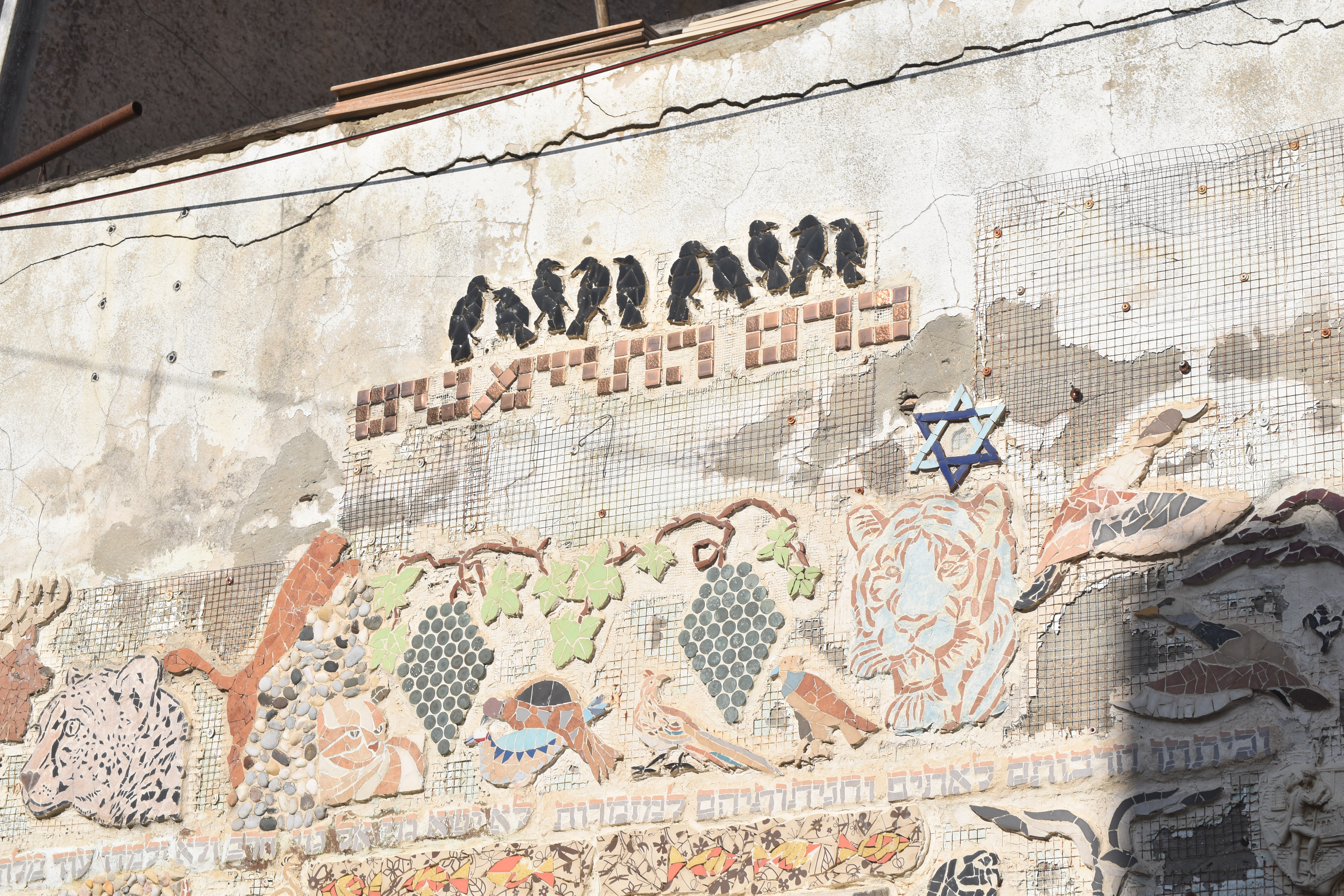
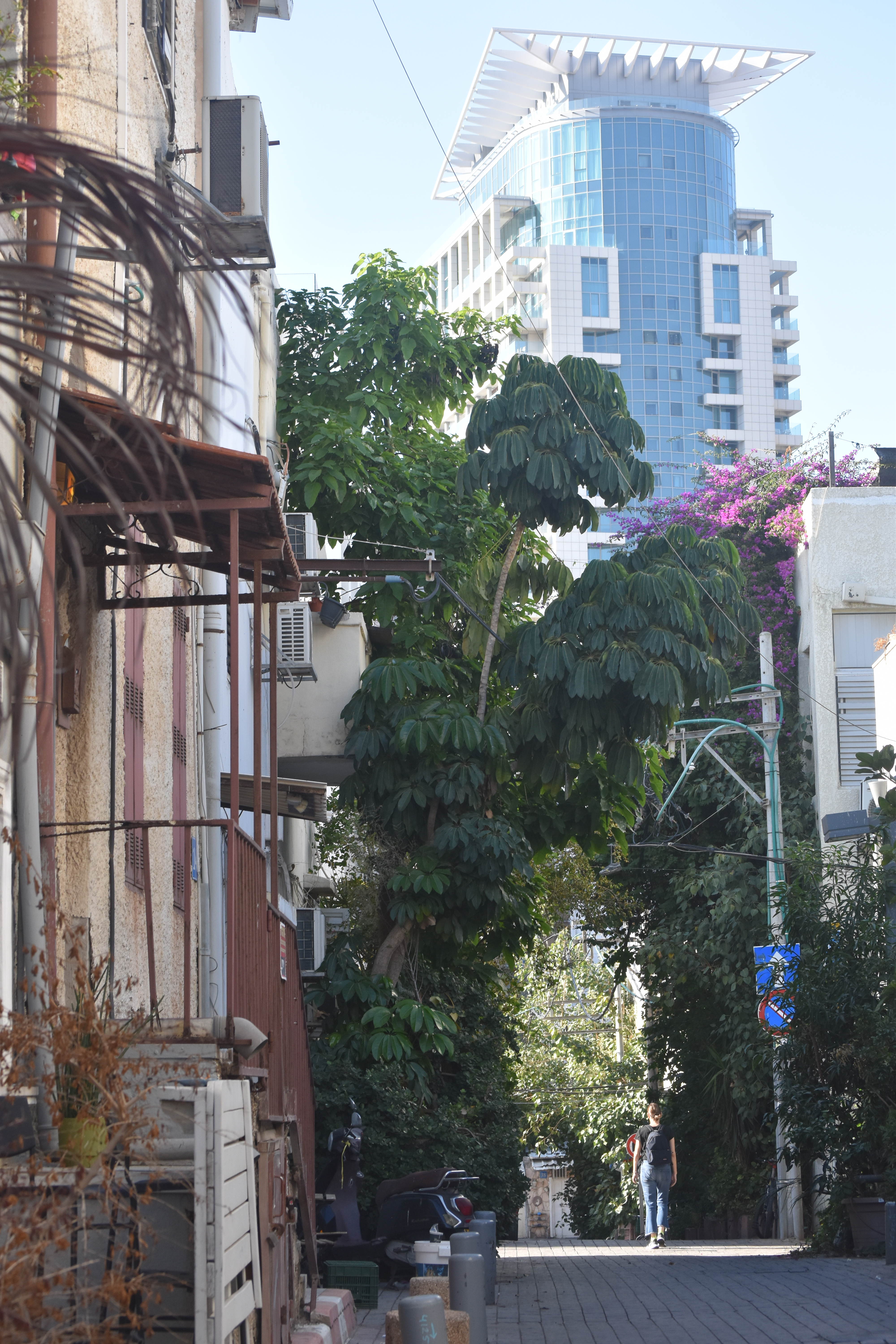
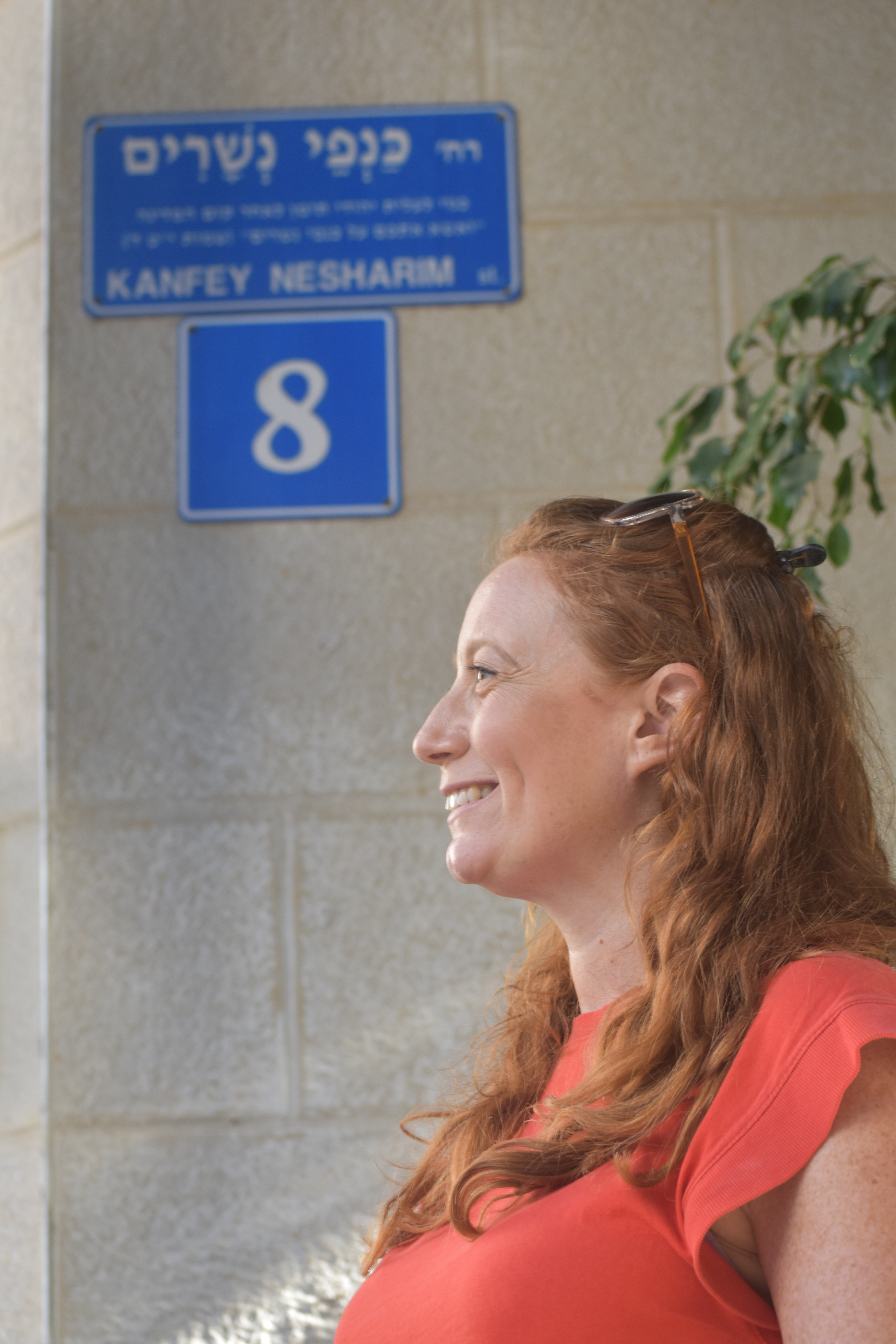
They came to Tel Aviv’s Kerem HaTeimanim, where the streets still hold their memory: Rechov Kanfei Nesharim, Rechov HaAliyah HaTeimanit, and alleys named after the poets and dreamers who carried Yemen’s Jewish soul through generations of exile. The neighborhood became a landing place for people who had lived so close to the dust of history that being lifted into the sky felt like God reaching down again.
A New Kind of Arrival
Today those same streets are welcoming new immigrants — Jewish artists from Paris, Berlin, Amsterdam, and London. They are not fleeing famine or forced conversion. They leave behind apartments, galleries, and studios, places where they once felt at home but now feel the room shifting beneath their feet.
They speak quietly of exhibitions canceled with careful wording, of colleagues who grow uncomfortable when they identify openly as Jews, of a cultural world that prides itself on openness yet signals, in subtle ways, that Jewish presence complicates the picture.
Or they just concluded it was time to move on.
Their departure is not dramatic. No riots, no decrees. Just a slow tightening — a sense that Europe’s warm lights are dimming for them. And so they come here, carrying sketchbooks, guitars, half-finished manuscripts, their beautiful voices, and the hope that Israel will give them what their former homes no longer can: the ability to be fully themselves.
They settle into Kerem HaTeimanim because it feels familiar: small homes, open doors, neighbors who still greet each other, a neighborhood built by people who also crossed deserts — literal or emotional — to find peace.
The Meeting of Journeys
In these narrow lanes, two different exoduses breathe the same air. Children run past synagogues founded by Yemenite families and new galleries opened by European artists. Hebrew floats from balconies in melodies that sound ancient and brand new at once.
The Yemenite grandparents who arrived barefoot on metal wings once prayed simply to reach Zion. The young European immigrants arriving today pray to belong — to a people, to a place, to their own identity without contortion.
Here, on Kanfei Nesharim Street, the verse from Sinai feels alive again. Not as a metaphor of miraculous rescue, but as a quiet truth: every Jew who finds their way home is carried by something — hope, fear, memory, longing — that lifts them just high enough to begin again.
In this little corner of Tel Aviv, you can almost feel the wings settling gently on the houses, as if history itself decided to rest for a moment before taking flight again.
Over three thousand years ago, God took the Jews of Egypt out from slavery and established the Jewish people. Nearly eighty years ago, just after the reestablishment of the Jewish State, the government of Israel rescued the Jews of Yemen from persecution and brought them to the holy land. Today, Jews from the West come on their own to the Jewish Promised Land.
We marvel at the notion of being taken to safety on “eagles’ wings.” Perhaps we should also marvel at the place to which we arrived.

 First One Through