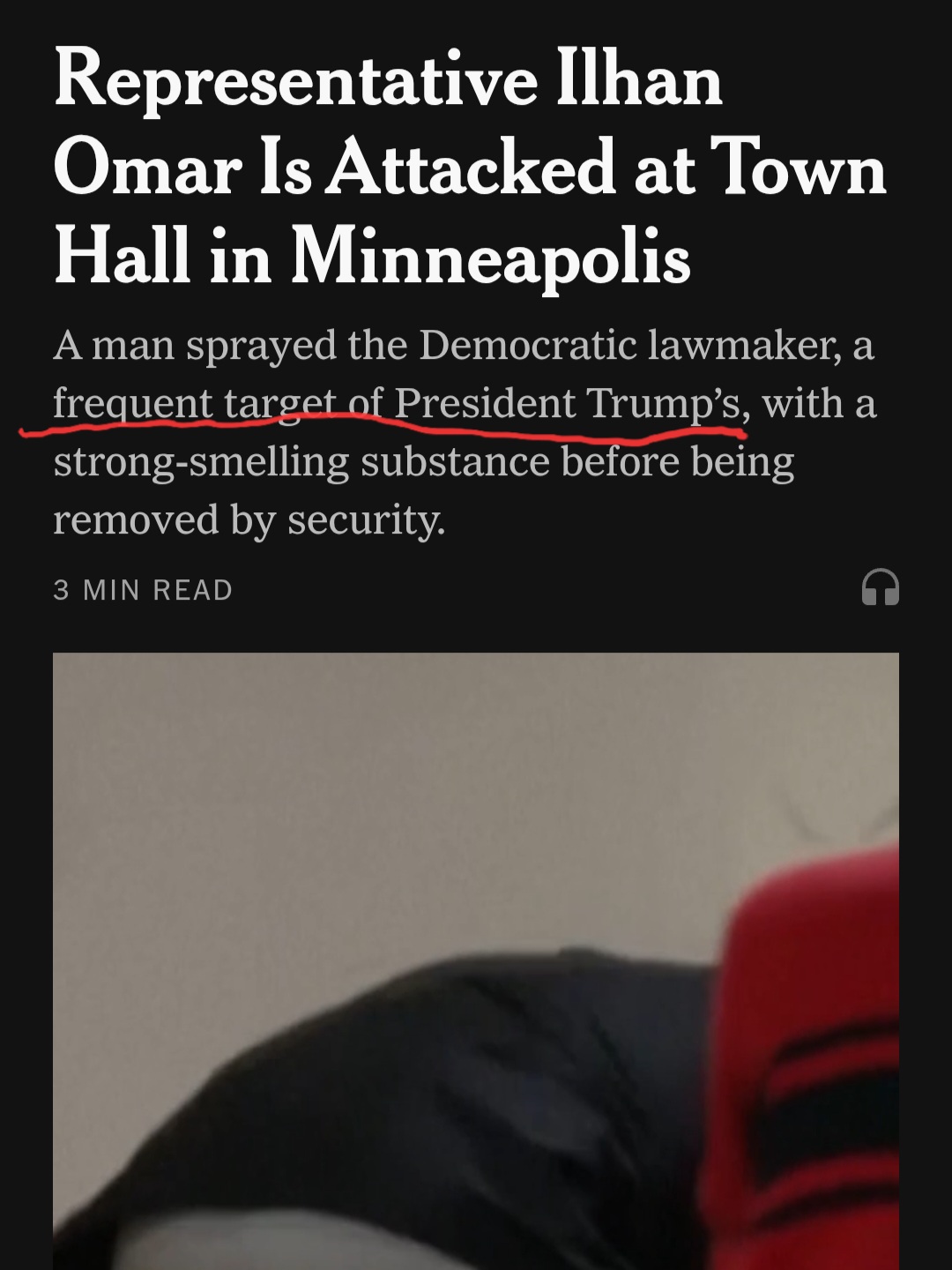
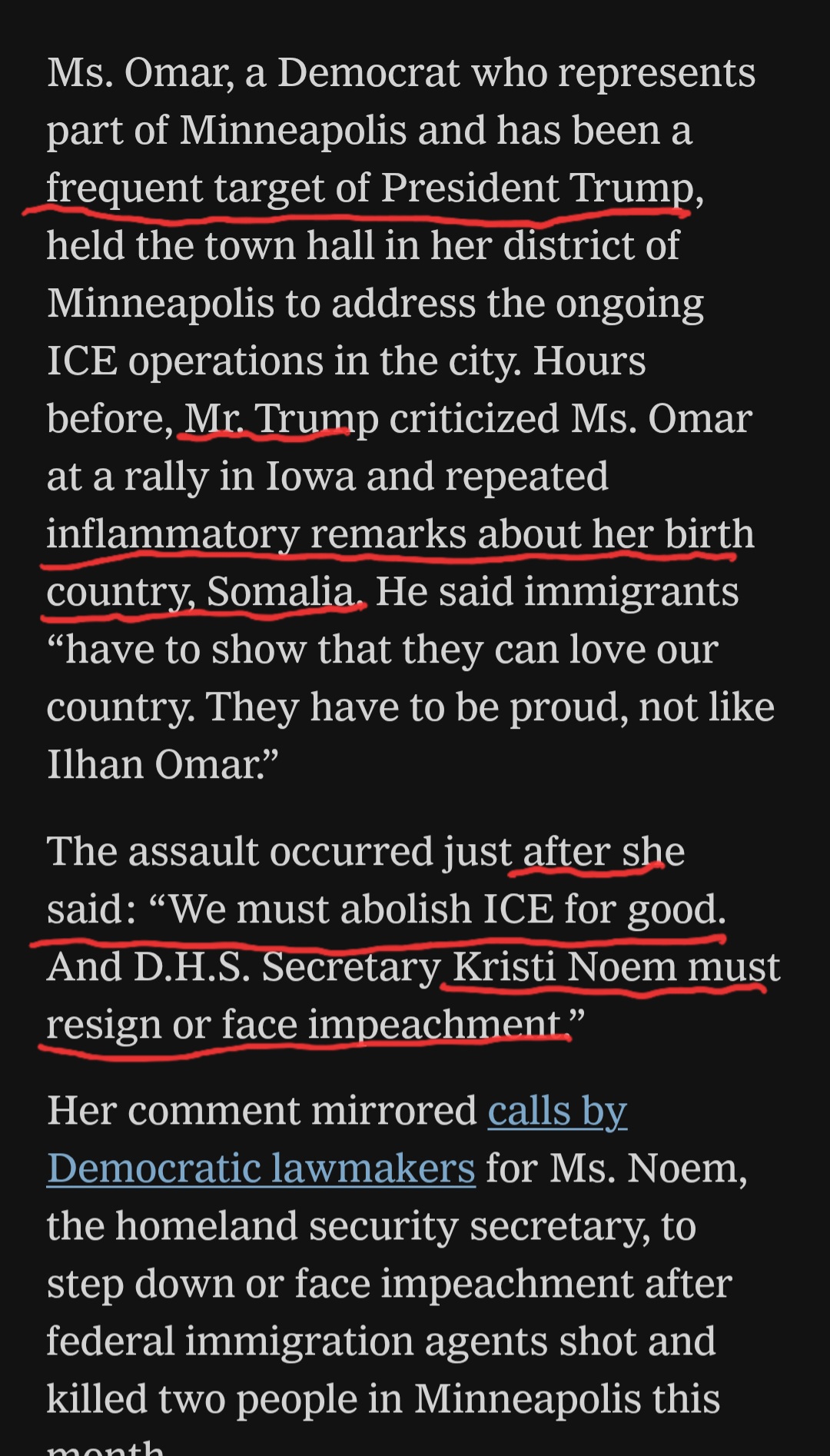
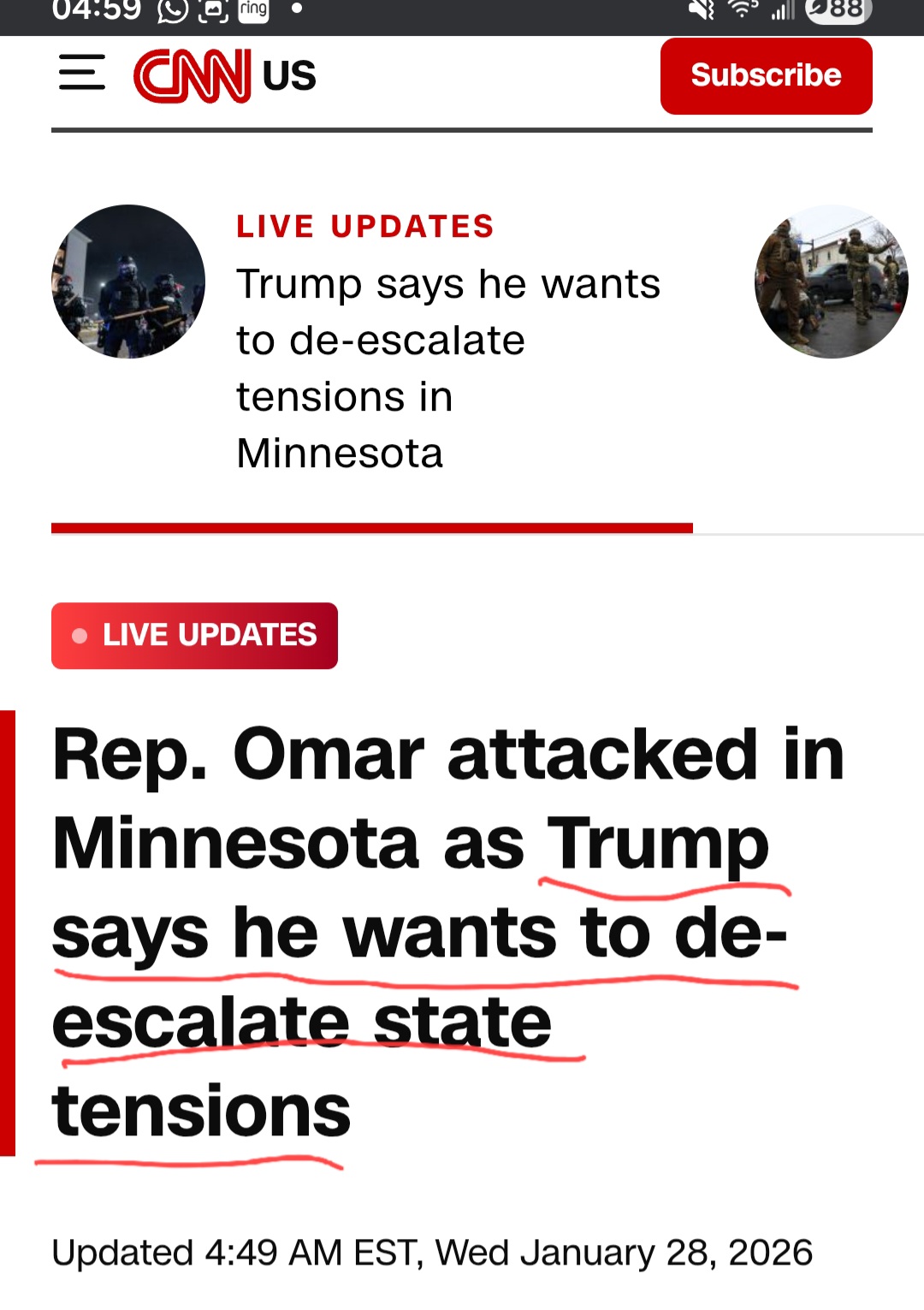
When Rep. Ilhan Omar was squirted with a liquid by an assailant, the story was not the act itself. The story was the atmosphere. Readers were immediately given Minnesota ICE protests, Trump’s rhetoric, the temperature of MAGA politics, and speculative motive pathways pointing firmly rightward. Political attribution preceded investigative certainty. Context did the work and assigned blame.
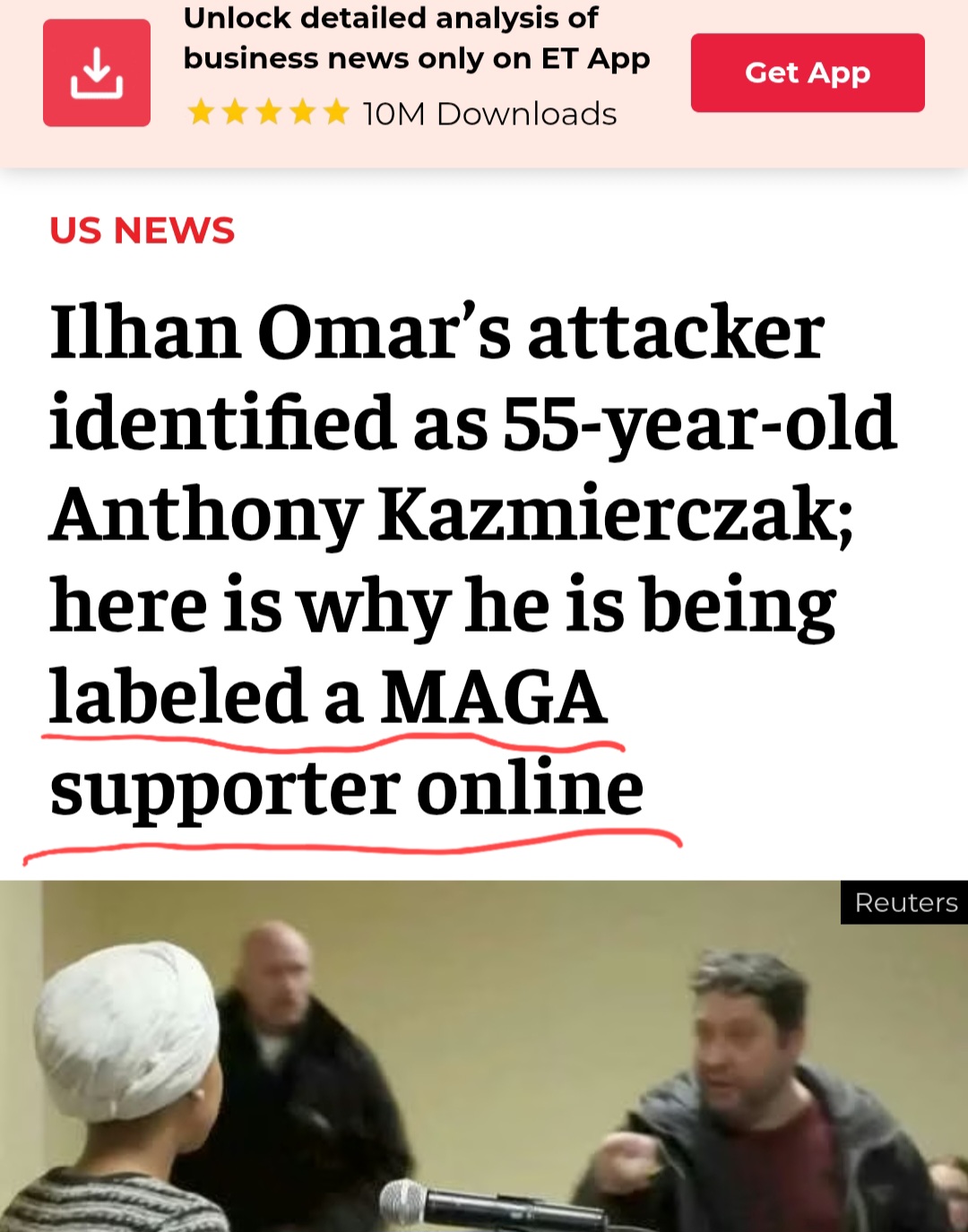
Yet when Pennsylvania Governor Josh Shapiro’s home was attacked by arson in April, context vanished.
There was no mention of the documented surge in antisemitic incidents. No reference to months of anti-Israel rhetoric saturating elite politics. No discussion of the “No Genocide Josh” campaign. No acknowledgment that the attack occurred during Passover—a fact ordinarily noted when violence intersects with religious or communal significance, but here omitted entirely. No exploration of whether sustained accusations of genocide, ethnic-cleansing chants, or the casual demonization of Jews in power might have contributed to a permissive climate. Investigative caution preceded any discussion of political backdrop.
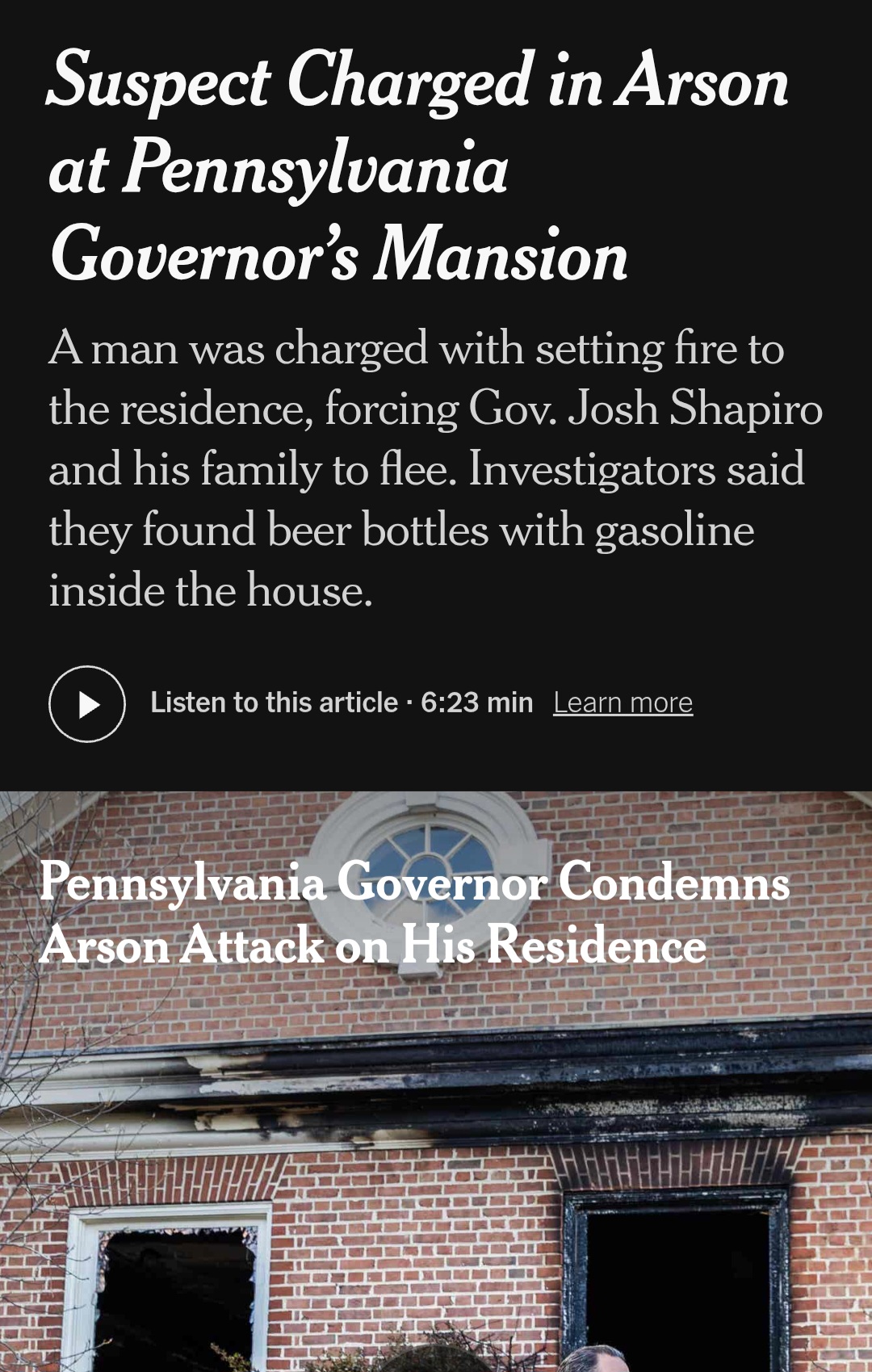
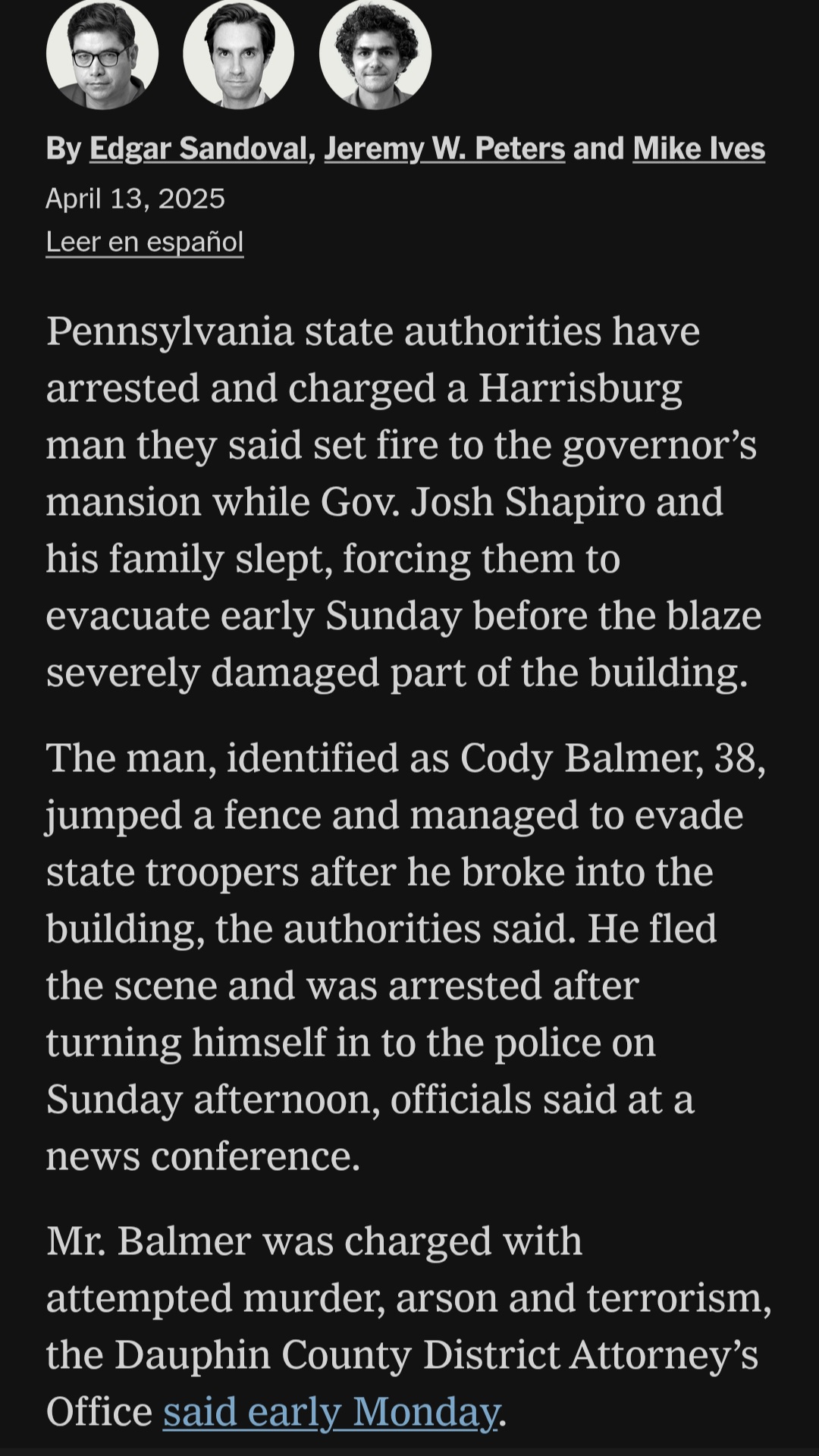
This was not restraint. It was a choice.
The same media institutions that insist “words have consequences” suddenly treat words as irrelevant when the victim is Jewish and the potential inciters sit on the progressive side of the aisle. Context, once treated as morally essential, becomes editorially radioactive.
The pattern is no longer subtle. When violence – staining a shirt – touches a left-wing Muslim lawmaker, identity and ideology are framed as explanatory forces. When violence – arson and attempted murder of an entire family – touches a Jewish, pro-Israel official, identity is scrubbed clean and politics are declared off-limits. One story expands outward into meaning. The other … nothing.
The issue is not what motivated the attacker. The issue is why certain motivations are never even permitted to be discussed.
To contextualize the attack on Shapiro would require acknowledging uncomfortable truths: that anti-Israel rhetoric frequently curdles into antisemitism; that political incitement is not confined to one end of the spectrum; that portraying Jews as uniquely malevolent actors has consequences beyond protest slogans and campus chants. Easier, then, to say nothing.
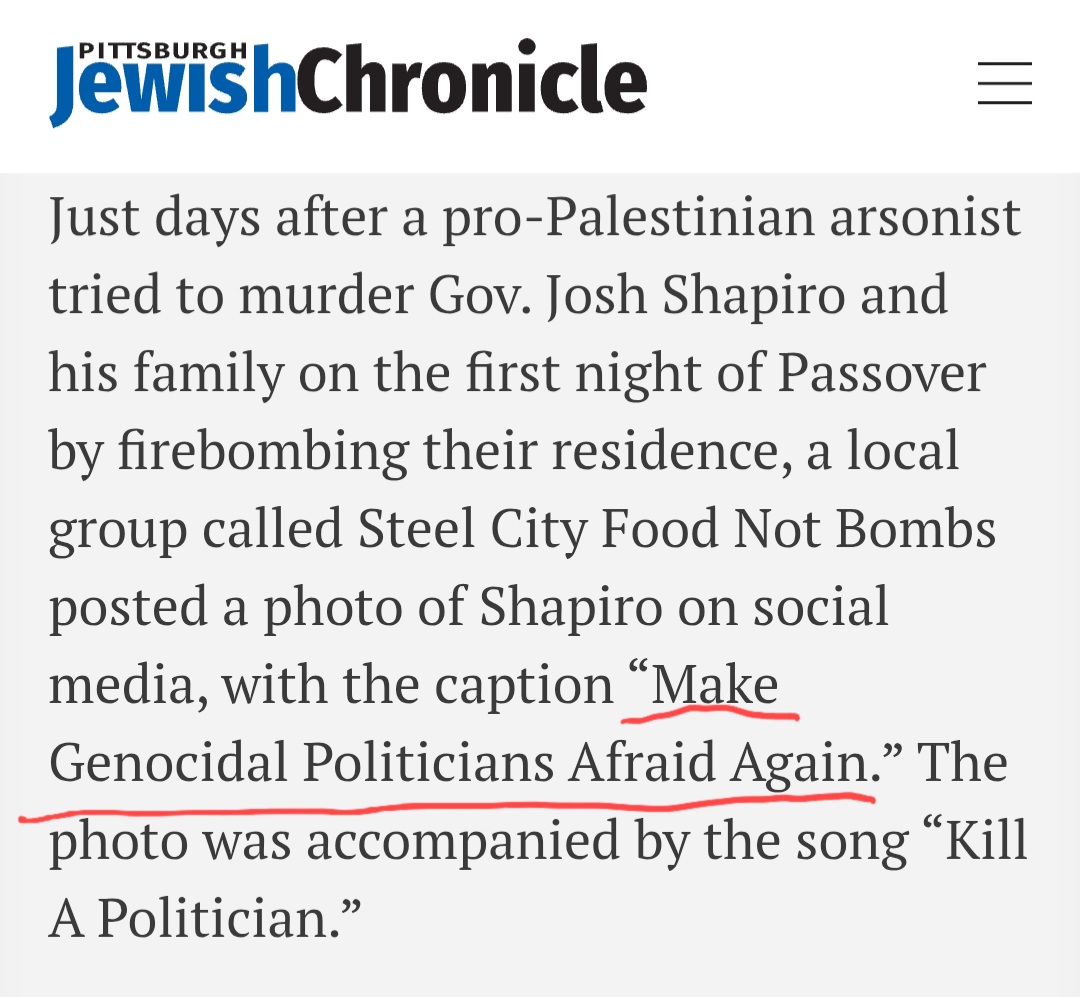
But silence is not passive. It is editorial.
For Ilhan Omar, context was everything.
For Josh Shapiro, context was invisible.
If context is essential when violence can be plausibly traced to the right, it must be highlighted when violence engulfs Jews as well. Anything else is antisemitic choreography.

 First One Through