
Broadway has always returned, in one form or another, to Jewish life. For decades, those stories were carried by memory, infused with struggle, displacement, and loss, yet grounded in continuity, humor, and the stubborn persistence of a people that refused to disappear. What has changed is not the subject matter, but the center of gravity. The stage has shifted from portraying how Jews lived to confronting how Jews are targeted.
The Past: Life in the Foreground
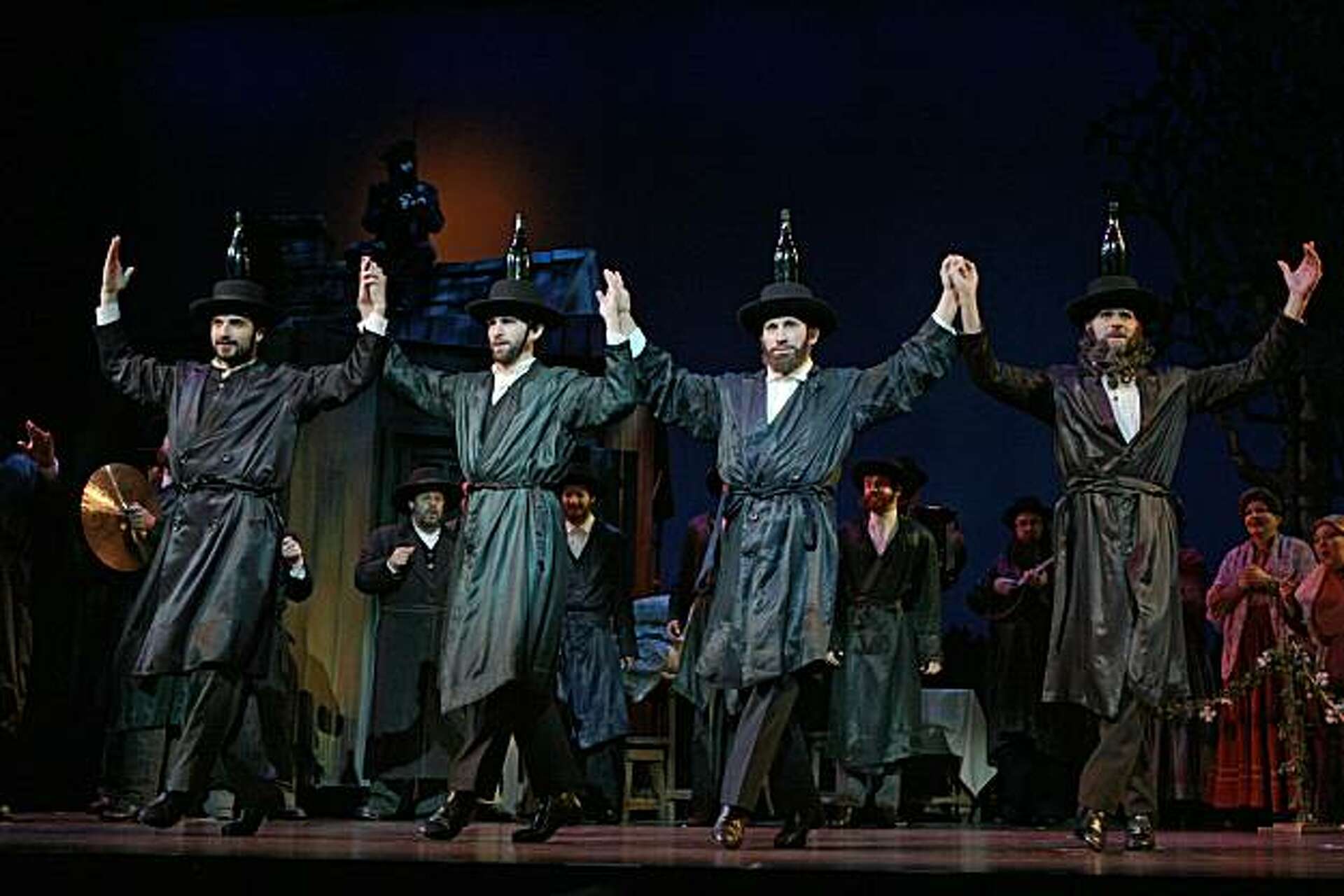
Fiddler on the Roof (2018 in Yiddish) remains the defining example of how Jewish life was once presented. The audience is drawn into a village that feels intimate and alive, filled with arguments between generations, negotiations between tradition and change, and the quiet dignity of ordinary people trying to hold their world together as it begins to shift beneath them.
The violence arrives but it does not dominate the story. It lingers at the edges, a reminder of fragility rather than the force that defines the narrative. What stays with the audience is the humanity that precedes it: the sense that Jewish life contains richness and meaning even as it is repeatedly uprooted, and that something essential survives the disruption.
The Present: History Without Distance
Vienna, and the Illusion of Safety
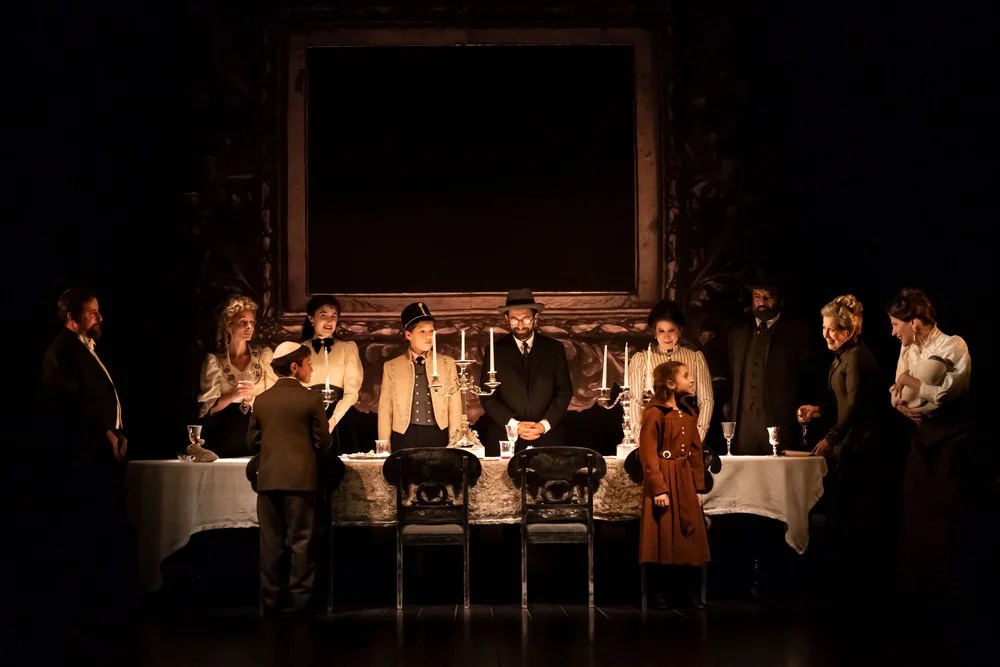
Leopoldstadt (2022-3) opens in a world that feels secure, even enviable in contrast to the humbler scenes from the Pale of Settlement in Fiddler – assimilated Jews in Vienna who have embraced culture, intellect, and national identity with the confidence of people who believe they belong. The early scenes are filled with warmth and the easy assumptions of permanence.
As the story unfolds, those assumptions dissolve with unsettling speed. Families thin, names disappear, and what began as a portrait of belonging becomes a study in erasure. The audience is left confronting how completely a thriving world can vanish and how little warning the people inside it seemed to have.
America’s Own Reflection
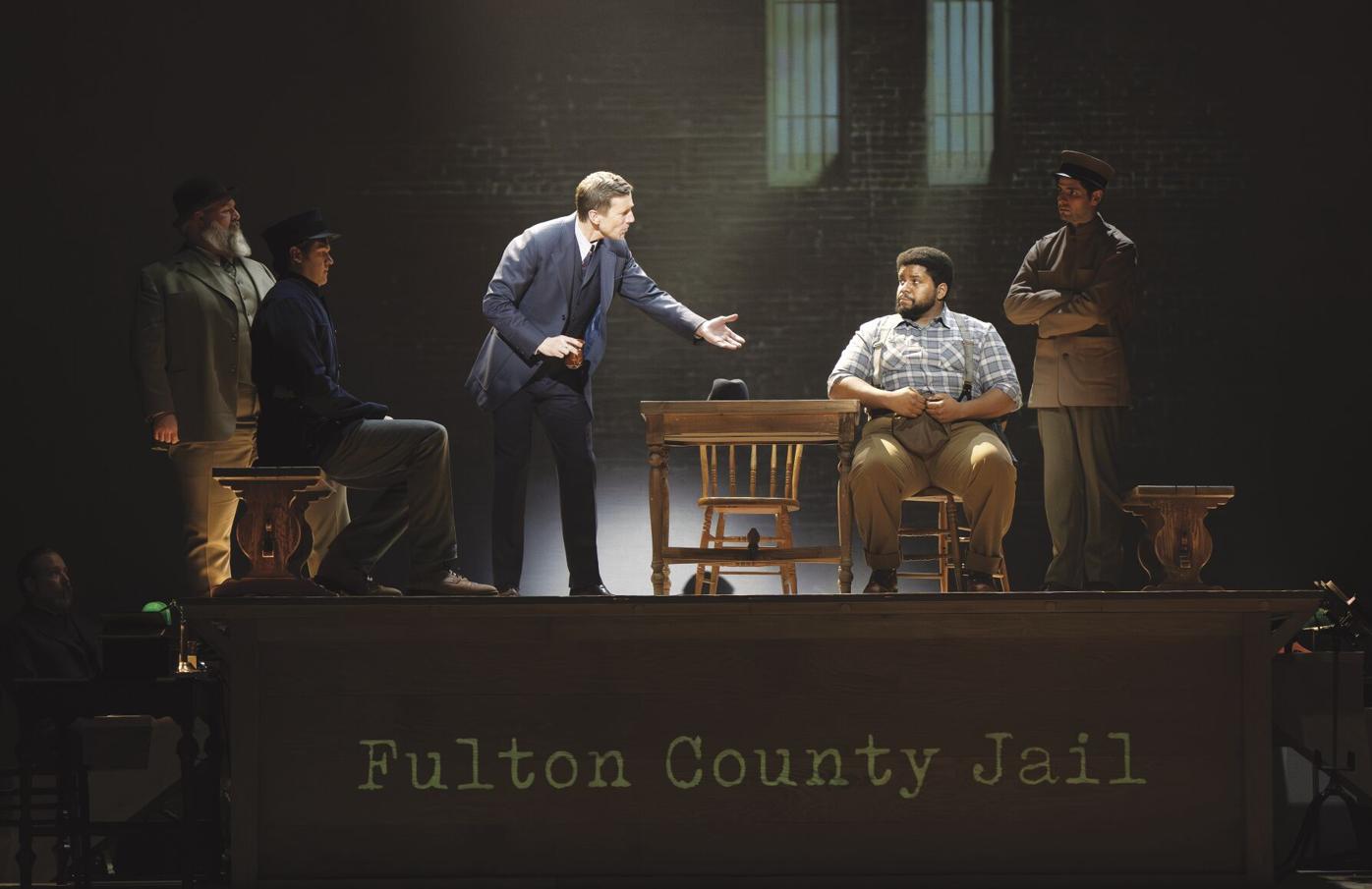
Parade (2022-3) brings that realization into the American setting through the story of Leo Frank. His life in early twentieth-century Atlanta ends in a spectacle shaped by rumor, media amplification, and a public willing to accept accusation as truth.
The discomfort of the story lies in its familiarity. The mechanisms feel recognizable, the escalation disturbingly plausible. The setting removes any remaining sense that antisemitism belongs elsewhere or to another time, placing it squarely within the American experience.
A Present That Refuses to Stay Quiet

Prayer for the French Republic (2024) unfolds in unmistakably contemporary terms, following a French Jewish family as they debate whether their future still lies in the country they call home. The conversation revolves around schools, neighborhoods, and the quiet calculations that shape daily life.
What emerges is not a single defining incident, but an accumulation, a steady normalization of hostility that makes departure feel less like a rupture and more like an eventual step. The question is no longer abstract. It is logistical, immediate, and deeply personal.
Hatred with a Familiar Face
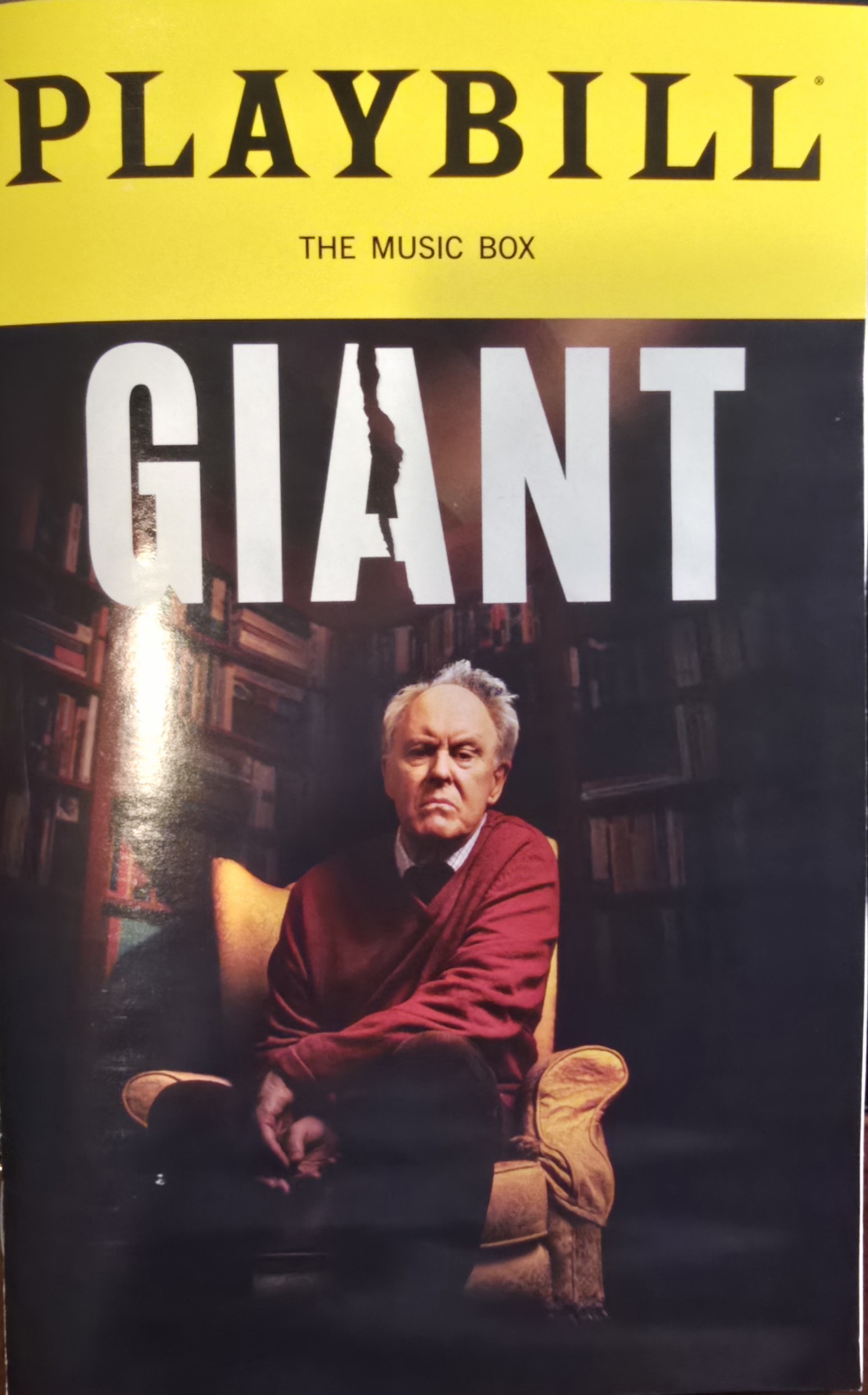
Giant (2026) centered on Roald Dahl, shifts the focus from overt violence to something quieter and, in many ways, more unsettling. Here, antisemitism resides within a figure celebrated for imagination and storytelling, revealing how prejudice can coexist with cultural admiration.
The discomfort lies in how easily such views can be absorbed into environments that otherwise pride themselves on sophistication. Hatred does not require a uniform or a slogan when it is permitted to live comfortably within admired voices. It persists not despite acceptance, but often because of it.
A Pattern Taking Shape
Seen together, these productions trace a continuum across time and place – Vienna, Atlanta, Paris, and the cultural circles of modern Britain – linked by a recurring dynamic. Each begins with a sense of stability, moves through unease, and arrives at rupture. The details differ, but the trajectory remains strikingly consistent.
This repetition carries its own message. It suggests that the issue is not confined to a specific moment or geography, but reflects a pattern capable of reappearing in new forms, shaped by local conditions yet driven by familiar forces.
The Audience and the Mirror
The audiences filling these theaters are often educated, affluent, and deeply engaged with cultural life. They watch these stories unfold, absorb their lessons, and respond with admiration for the craft and the performances.
Yet there is a tension that lingers beyond the applause. The same cultural spaces that elevate these narratives often struggle to confront their contemporary parallels with equal clarity. The distance between stage and reality narrows, but the response to each is not always aligned.
The result is a kind of dissonance: an ability to recognize antisemitism when framed as art, while hesitating to address it with the same urgency when it appears in present-day discourse.
Why This Moment Feels Different
This shift on Broadway reflects a broader change in perception. The conditions once associated with distant history no longer feel entirely removed. The sense of safety that allowed earlier generations to treat persecution as context has given way to a more immediate awareness, one that resists easy separation between past and present.
Recent events have reinforced that awareness. The resurgence of openly hostile rhetoric, the normalization of extreme positions in public discourse, and the willingness in some circles to rationalize or reframe acts of violence have all contributed to a climate in which these stories resonate with a new intensity.
Art does not create that reality, but it reveals how widely it is being felt.
The contrast with earlier eras becomes difficult to ignore. Where once the stage offered a portrait of Jewish life shaped by external pressures, it now presents environments in which those pressures define the experience itself. The richness of daily life is increasingly overshadowed by a sense of vulnerability that cannot be pushed to the margins.
This evolution reads less like a natural progression and more like a recalibration, one that places the question of security at the center. The stories no longer unfold at a comfortable distance. They press closer, asking the audience to consider what they mean beyond the confines of the theater.
Broadway continues to tell Jewish stories, but the tone has shifted in a way that carries unmistakable weight. The warmth that once framed these stories has given way to something sharper, more immediate, and more raw.
The audience is no longer only staring ahead at actors; the Jews attending Broadway turn to the right and left to consider their own lives as living theater.

 First One Through