
When the last Thai hostage’s body was returned from Gaza, it barely made headlines outside of Israel and Thailand. His name — Sudthisak Rinthalak — was recited in both countries and memorials were held. But soon the world reverted into the endless ledger of loss and statistics.
The story of this single Thai agricultural worker is not a footnote. It is a reminder that the emerging bridge between Israel and Thailand is not diplomatic, not ideological, and certainly not written into UN resolutions.
It is a bridge made of people.
Sudthisak had come to Israel to pick fruit, send money home, and build a future for his family. Like tens of thousands of other Thais, he believed Israel offered something the Thai countryside could not: a ladder out of poverty. He became part of the massive human engine that powers Israeli agriculture — an engine so essential that nearly 40,000 Thais now work in Israel’s fields, orchards, farms, and increasingly, construction sites.
If you want to understand the future of the non-Muslim Global South, start with his story.
Thailand Votes One Way at the UN — But Lives Another Way in Israel
Look at Thailand from the perspective of international politics, and one picture emerges:
- Thailand consistently votes with the pro-Palestinian bloc at the UN.
- It has supported resolutions pushing for Palestinian statehood.
- It aligns with the moral vocabulary of the Global South — anti-colonial solidarity, sympathy for the oppressed, skepticism of Western-aligned states.
This makes Thailand look like part of the same coalition as Malaysia, Indonesia, Pakistan, and other Muslim-majority defenders of the Palestinian cause. And in the formal, air-conditioned world of the UN General Assembly, that is true.
But look at Thailand from the ground level and a completely different picture emerges. There, Thailand looks more like India, not Indonesia.
The Monolithic Old Global South – the Muslim Global South – is where identity politics and Islamic solidarity define votes. The New Non-Muslim Global South is where development, technology, and people-to-people ties define futures.
Thailand still sits in both worlds — but one of them is getting stronger.
Thailand Is Quietly Becoming a “New India” in Israel’s Orbit
India once voted against Israel at the UN almost reflexively. Its elite identified with the Non-Aligned Movement, its public embraced the Palestinian Arab narrative, and its diplomats guarded that orthodoxy. But on the ground, something different was happening:
- Indian engineers worked with Israeli tech.
- Indian farmers adopted Israeli irrigation.
- Indian tourists filled Israeli markets.
- Defense ties deepened.
- Human capital flowed both ways.
By the time India’s voting patterns began to soften, the relationship had already become irreversible. Reality had outrun rhetoric.
Thailand is following the same trajectory — but starting from a place even closer to Israel.
Consider the facts:
- Tens of thousands of Thais live and work in Israel, forming one of the most intimate foreign labor communities in the country.
- Israel is exploring Thai labor not just for agriculture but also construction, infrastructure, and caregiving.
- Thai workers return home with Israeli skills in greenhouse technology and agri-tech, reshaping villages thousands of miles away.
- Israeli tourism to Thailand is exploding — over a quarter million Israelis per year, with forecasts surpassing 350,000.
- Thai cuisine, Thai workers, Thai–Israeli families, and Thai cultural presence are now woven into Israeli life.
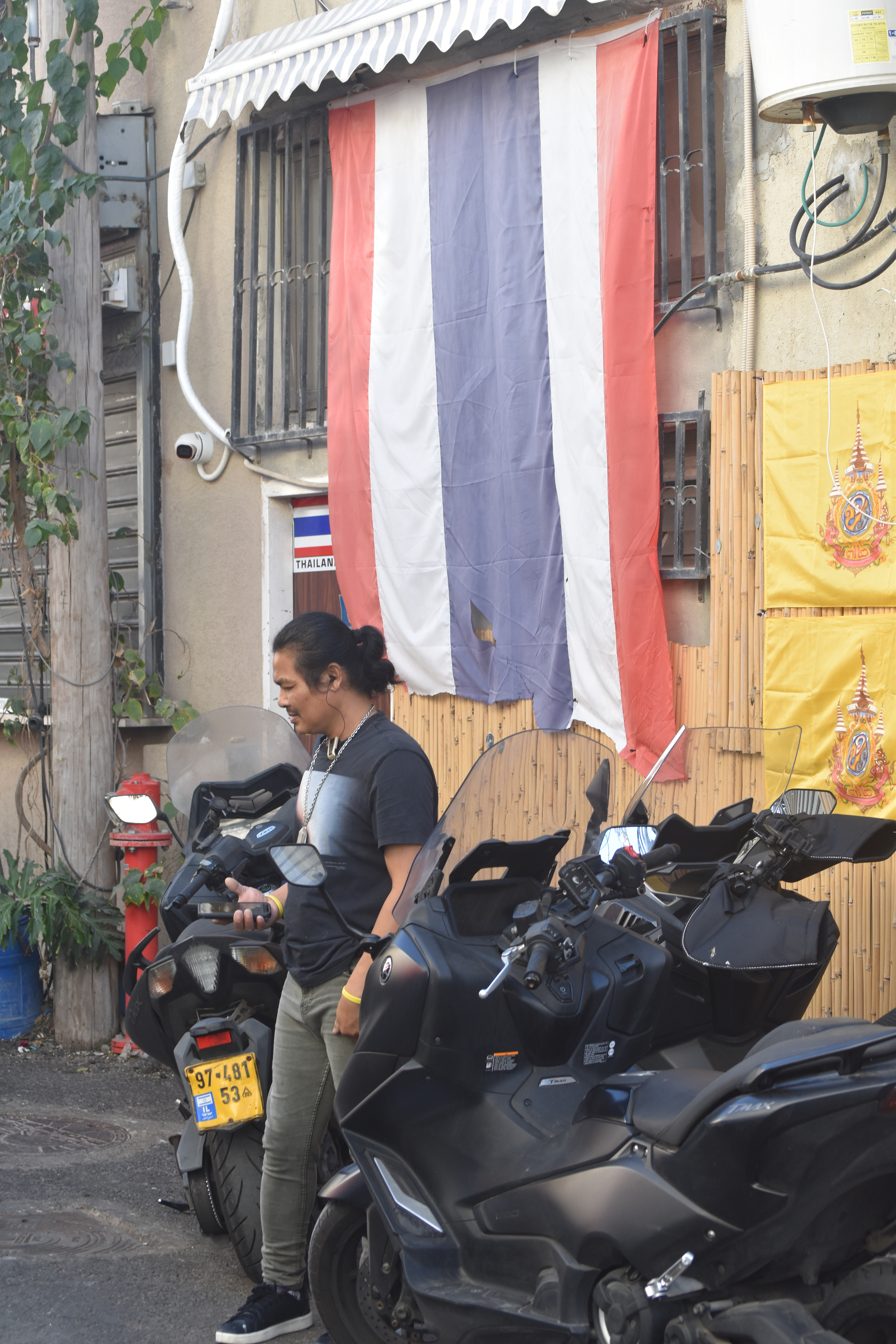
This is the Global South as a development engine, not an ideological bloc.
And Thailand is starting to discover what India and Malawi discovered earlier: countries that connect themselves to Israel’s people and know-how grow stronger for it.
Two Global Souths Are Emerging — and Thailand Is Crossing the Bridge
The term “Global South” used to describe one political posture. It no longer does. There is now a Muslim-majority Global South, loyal to the Stateless Arabs from Palestine (SAPs) and anchored in religious, cultural, and historical solidarity. And there is a development-driven non-Muslim Global South that sees its future in innovation, mobility, technology, worker migration, and agricultural modernization — where Israel is not a pariah but a partner.
Thailand is starting the migration between these worlds. For the moment, it votes with its Muslim neighbors at the UN but it increasingly lives with Israel. Works with Israel. Eats with Israel. Builds families with Israel.
In this sense, Thailand is part of the Global South’s next chapter: a world where alliances are formed through direct human interactions, not speeches.
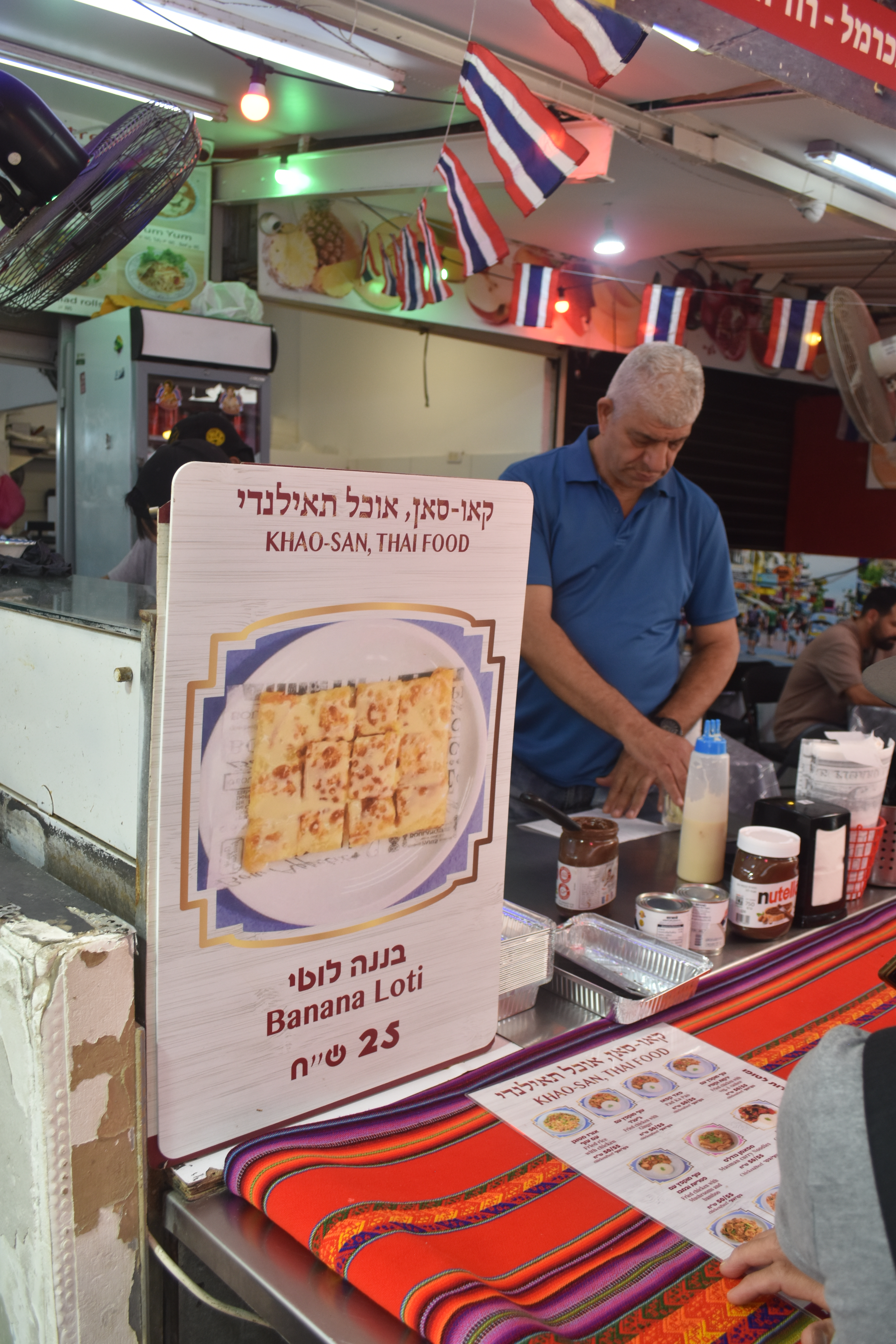
And So the Hostages Return — to Two Countries Bound by People
When Sudthisak’s body finally left Gaza, diplomats issued statements and reporters filed their stories. But the people who understood the meaning of his return were not governments. They were Thai parents who send their sons to Israel to build a future. Israeli farmers who rely on Thai workers not as strangers but as partners. And both Thai and Israeli families stitched together by marriage, food, labor, and shared vulnerability.
Sudthisak’s journey — though tragic — tells the story of two countries whose relationship cannot be measured by UN votes. It is told by a deep human bond.
If the Global South is dividing into two futures, Thailand is already stepping across the bridge into the one defined by partnership, opportunity, and human connection.

 First One Through