
Today’s youth are a sorry lot.
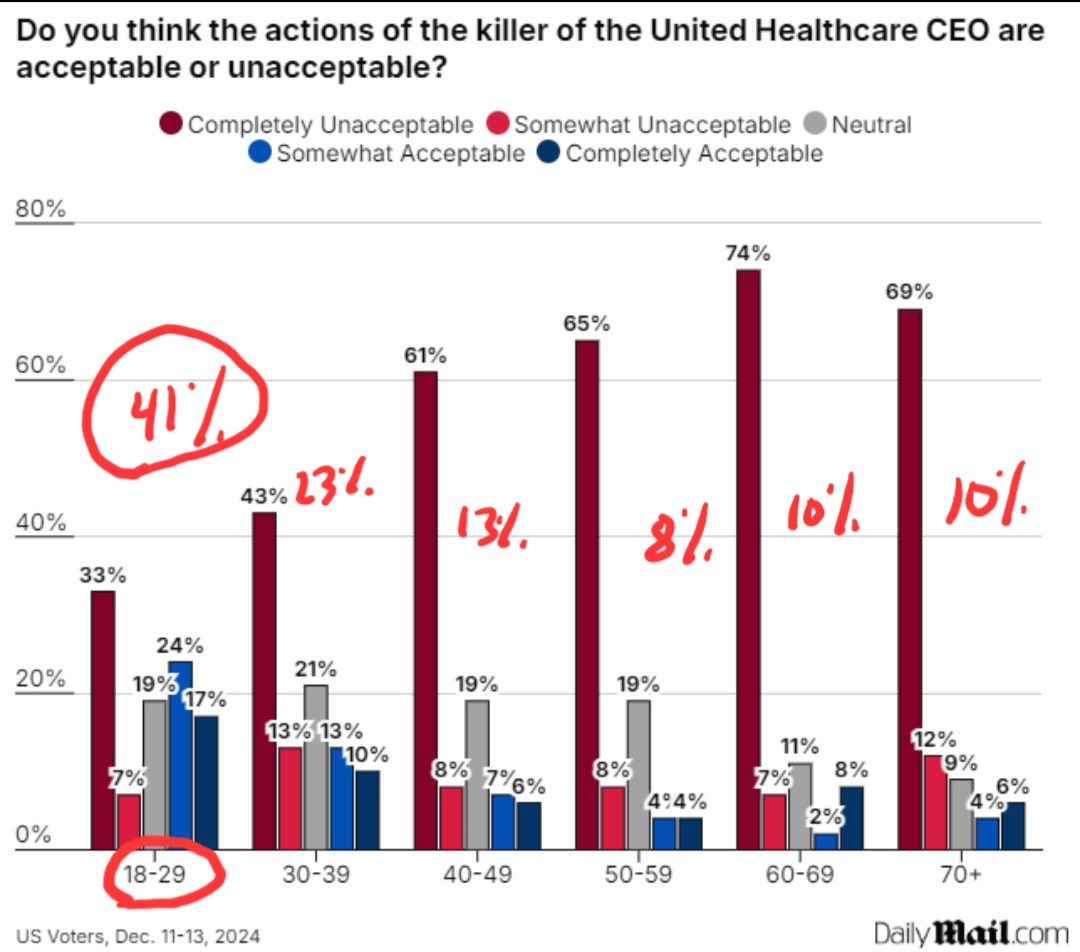
In the aftermath of the targeted killing of a healthcare insurance executive, more 18-29 year olds thought that the assassination was justified than thought it unjustified (41% to 40%) according to a DailyMail poll. The Gen Z generation was an outlier compared to every other age group, with those over 50 years old having 10% or fewer believing that the killing was justified.
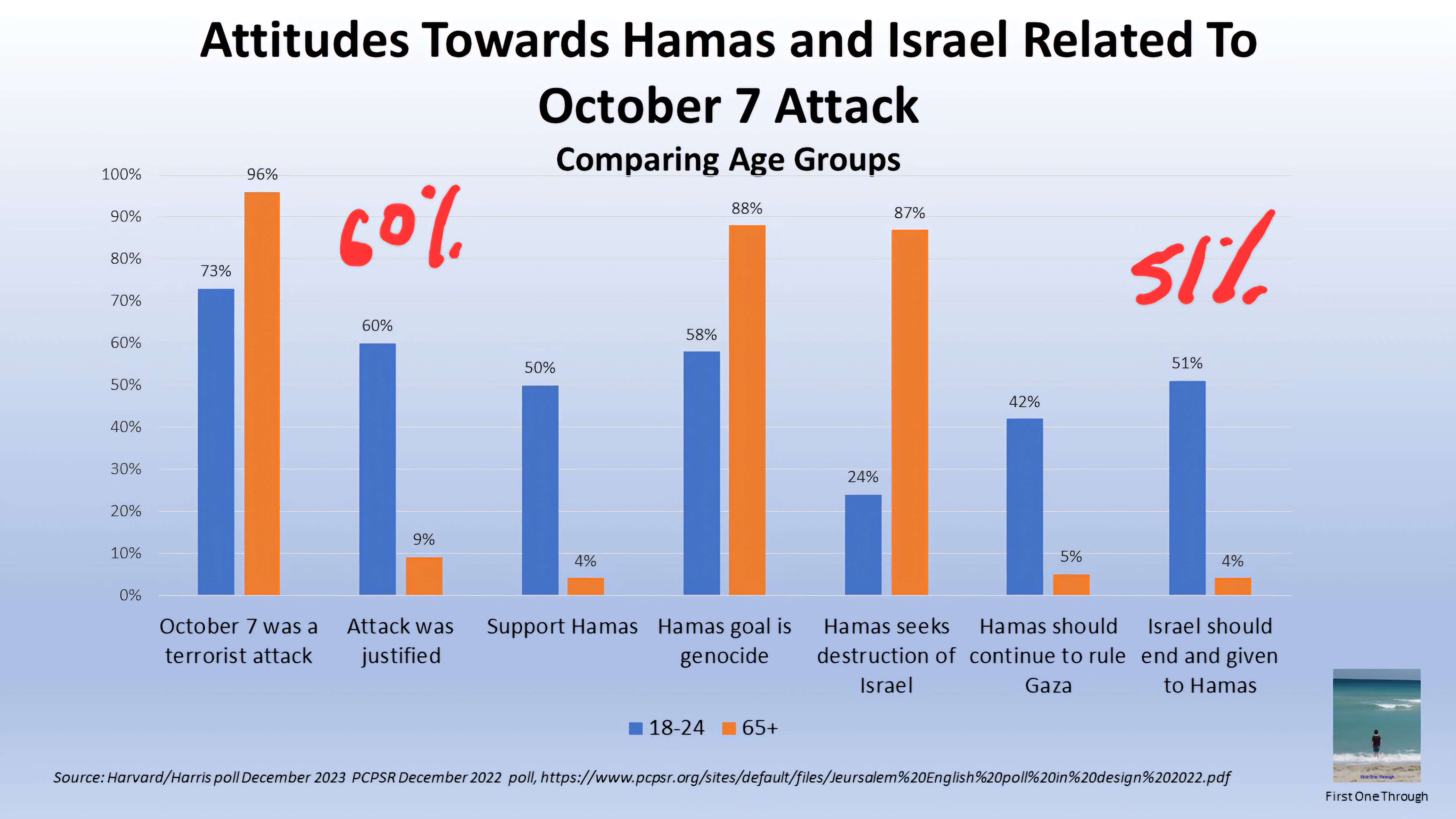
The peculiar morality of 18-29 year olds is not limited to their view of the insurance industry. In the aftermath of the Hamas slaughter of Israeli civilians on October 7, 2023, a Harvard poll showed that 60% of 18 to 24 year old thought that the attack was justified. Half of that age group supported Hamas (compared to 4% for people over 65) and 51% said they thought Israel should be liquidated and handed to Hamas.
Why is there such depravity and celebration of violence amongst today’s youth?
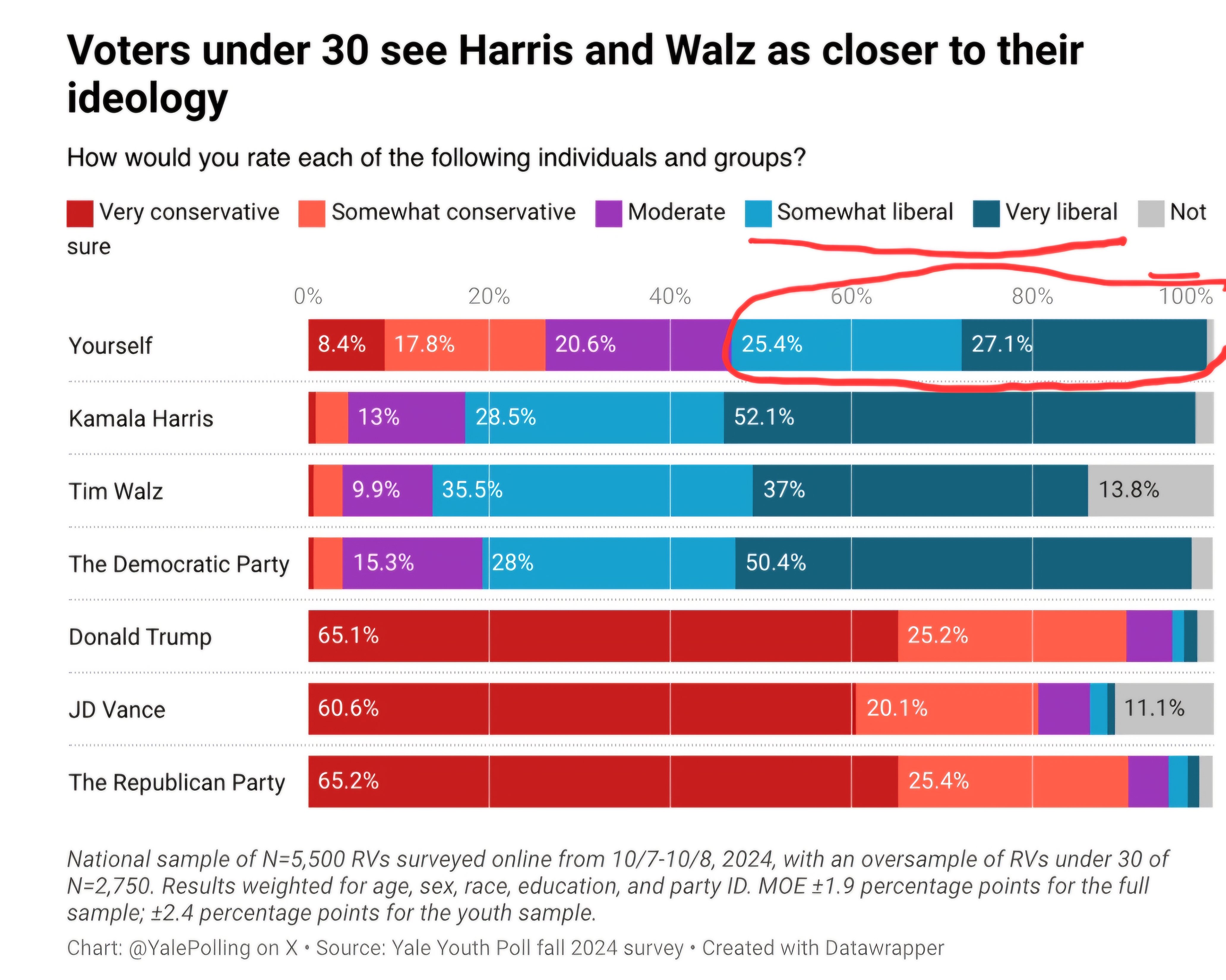
According to a Yale poll conducted in the fall of 2024, the majority (52.5%) of Americans under 30 years old consider themselves liberal. Only one-quarter are conservative, and those that are, are only “somewhat conservative.”
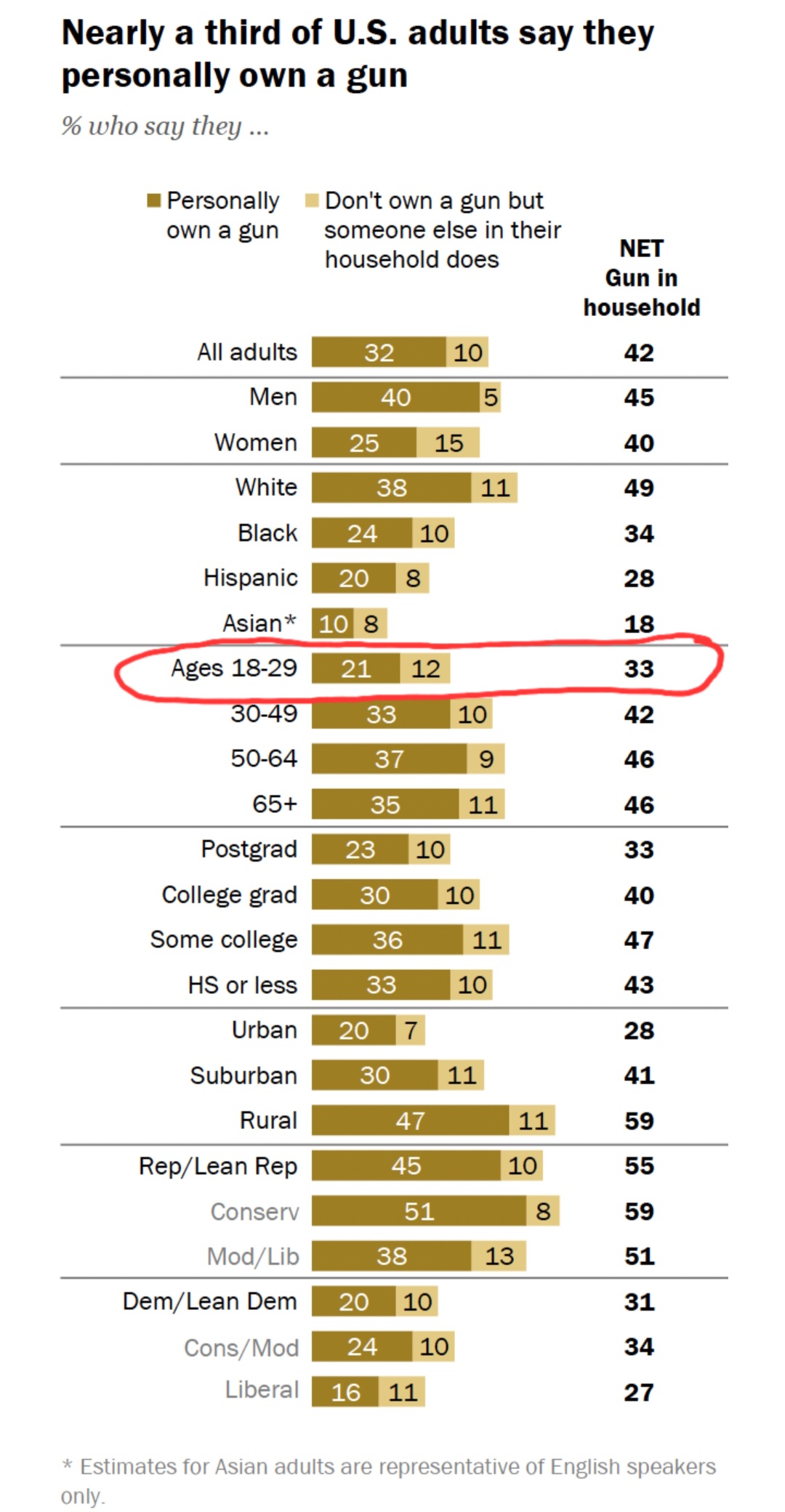
These under 30 liberals are not typically perceived as violent. According to Pew Research, they have the lowest gun ownership in America. According to a PBS poll, it is Republicans that are more likely to resort to violence “get the country back on track,” not the left (which should not be surprising as the poll was taken under a Democratic presidency; should the poll be conducted again under a Trump administration, it would be curious to see the results).

Further, according to a McCourtney poll in January 2024, Gen Z youth are the least angry age group in the U.S. They also tend to feel the most pride for certain things.

The various polls seem incongruous. On one hand, Gen Z youth applaud murder but are generally not as angry or prone to violence according to polls.
One observation made by the Brookings Institute is that today’s youth is much more diverse racially and ethnically than older generations, as well as compared to youth of prior generations. It means that current polling data may be wrong depending on the sample set selected, and it means that age may be only one determinant of how young people view the world.

Another factor is perhaps social.
Gen Z was more impacted by the pandemic and its lockdowns than other generations, forced to spend high school and college at home and behind masks. They grew up and went through puberty with social media and texting on their cellphones as the main methods of engagement rather than physically interacting with peers and society.
Jonathan Haidt, author of The Anxious Generation, said that Gen Z is suffering from a serious mental health crisis. He views this generation as more depressed and susceptible to self-harm. His analysis highlights correlation rather than causation, as there are very few Gen Z without social media to compare. The podcast linked above considers that maybe more anxious youth spend more time on social media than less anxious people, so the correlation may be from the self-selected initiators rather than from platform engagement.
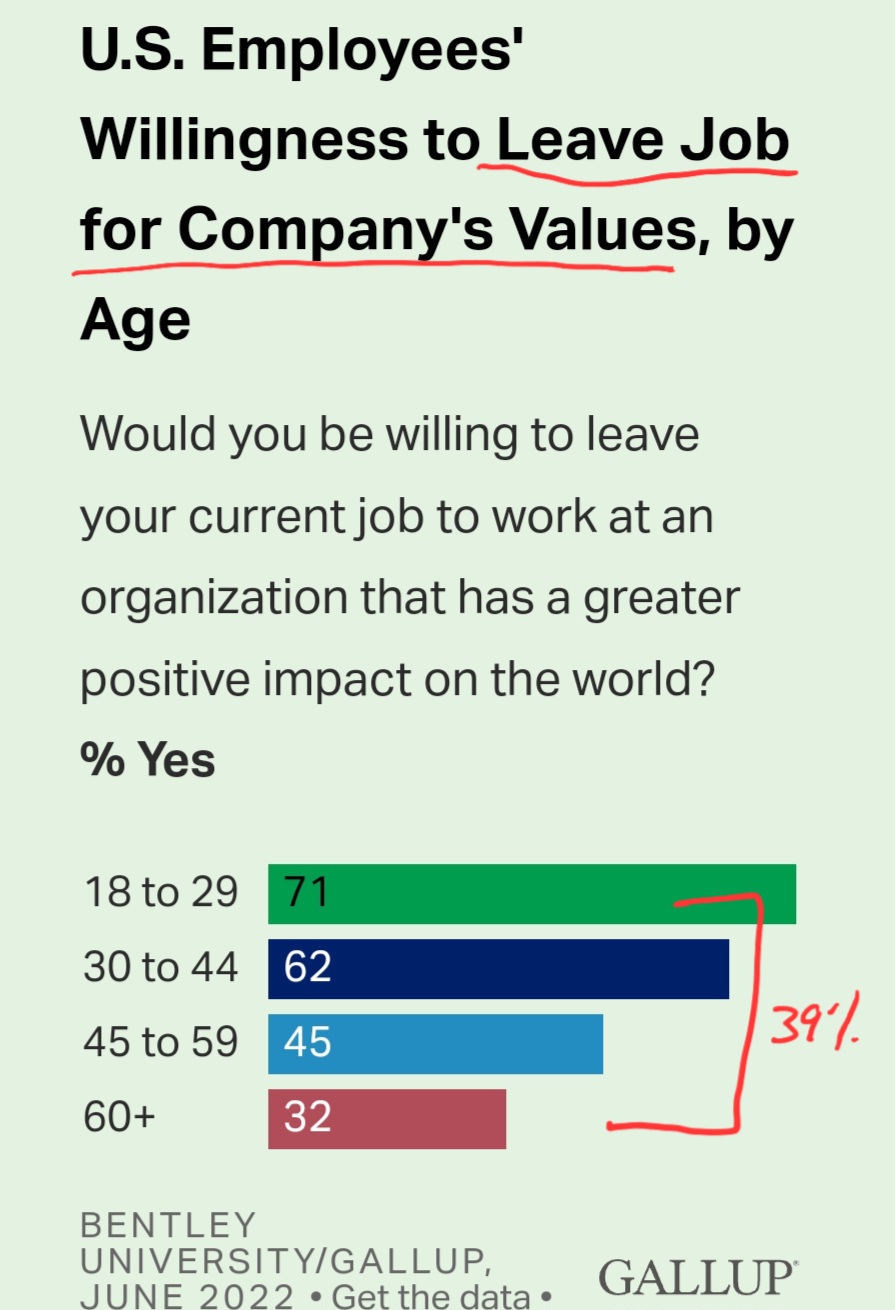
Polls have looked at Gen Z’s attitudes regarding societal values. According to a 2022 Gallup poll, those aged 18-29 were much more likely to believe that companies should be more focused on long-term benefits of society than profitability. They are much more likely than older Americans to leave a position at a firm if they disagreed with the company’s values.

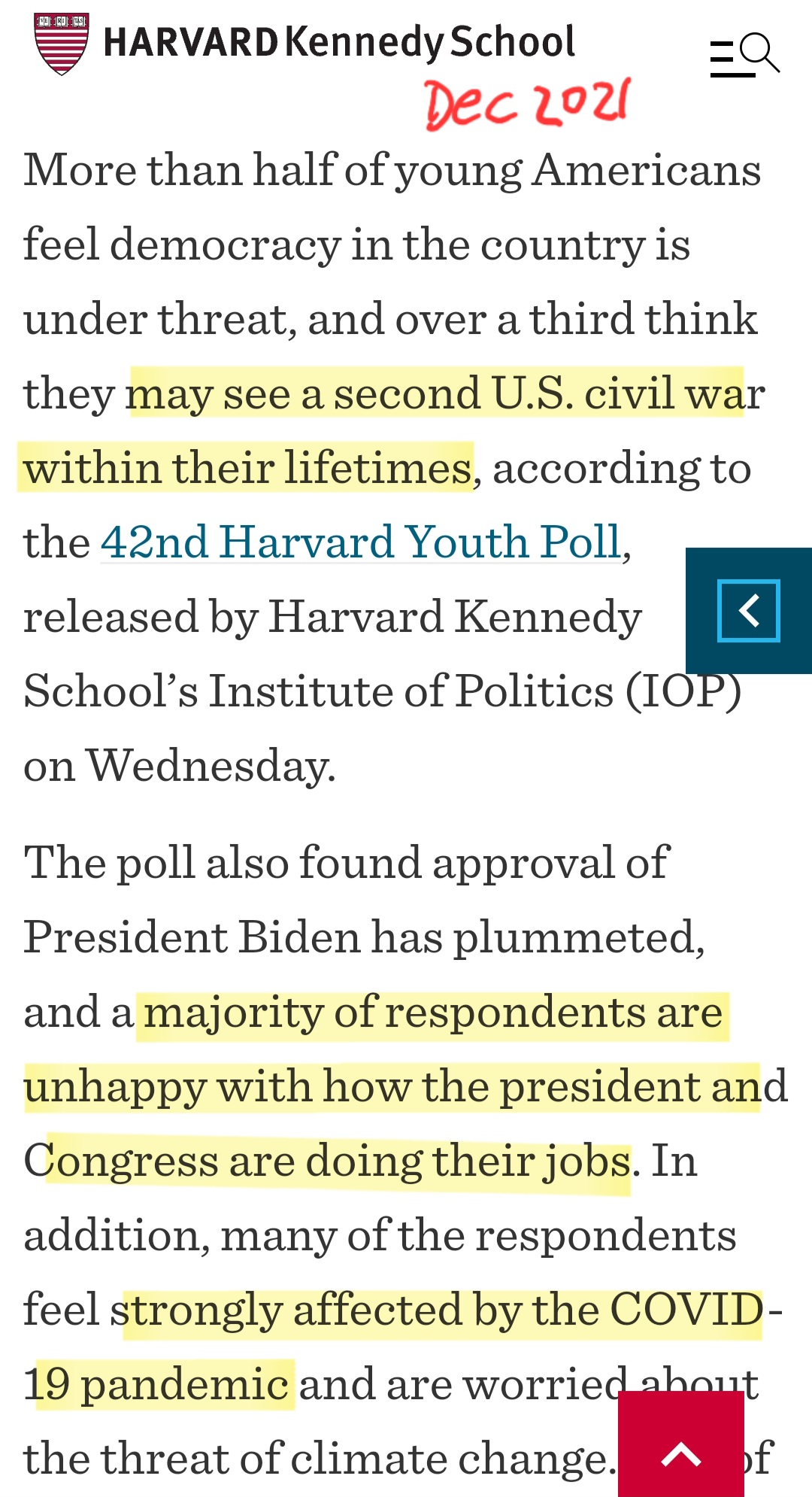
Those opinions are seemingly not limited to corporate America. Harvard’s December 2021 poll showed that young Americans were very unhappy with President Biden and Congress and “over a third think they may see a second U.S. civil war within their lifetimes.” While Gen Z may not be carrying guns, they believe that society is broken and war is coming.
Beyond society being broken, they personally feel broke. According to a 2024 NBC poll, the most pressing matter for Gen Z by far was inflation and the cost of living (31%), ahead of “threats to democracy” at 11%. Crime, immigration, foreign affairs and other matters were all far behind.

None of the polls are perfect but the assembly of all this data leads to some disturbing conclusions about Gen Z today:
- they are distressed – emotionally and financially – disconnected from society because of masks and technology
- they do not see a secure future, whether because of personal financial stress or because they believe the system is rigged against them
- they have no faith in institutions – whether government or corporations – to look out for them and society
- while they may not be inclined or able to commit violence themselves, they empathize with those who do
It sounds like the backdrop for the movie Joker, with a society ready to venerate murder as a pathway for validation and justice. It’s Gen Z’s desire to rip down the establishment in a brewing civil war which more closely resembles the French Revolution than the 19th century war between the states.
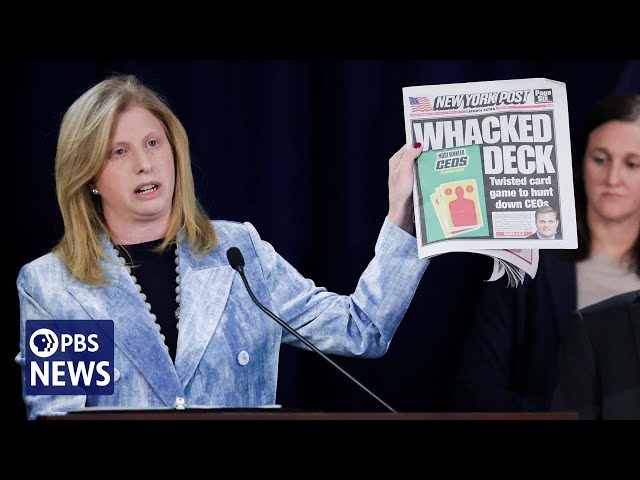
While the fictional Joker character was understood to be deeply troubled, Hamas and Luigi Mangione, the killer of the United Healthcare CEO, are being portrayed as deeply righteous. Professors at universities are praising the killers, and pointing to “wealthy Jews” as operating “behind the curtain” (to quote Rep. Rashida Tlaib (D-MI)) to entrench a corrupt system for selfish goals. The media echoes the “powerful Jew” and corrupt Republican/”White supremacy”/patriarchy themes to incite the masses. They make playing cards of other insurance executives to target.

The youth are marching with chants to “Globalize the Intifada“, to bring the October 7 massacres to every corner of the world. They are picking infidels in each town and industry to target for their rage.

Gen Z’s embrace of anarchy is being encouraged by liberal media, the education system, radical left wing organizations and America’s foreign foes. Each is influencing and validating “the anxious generation,” seeking TikTok moments to clone the next Joker, attempting to destroy the United States from within.

 First One Through