
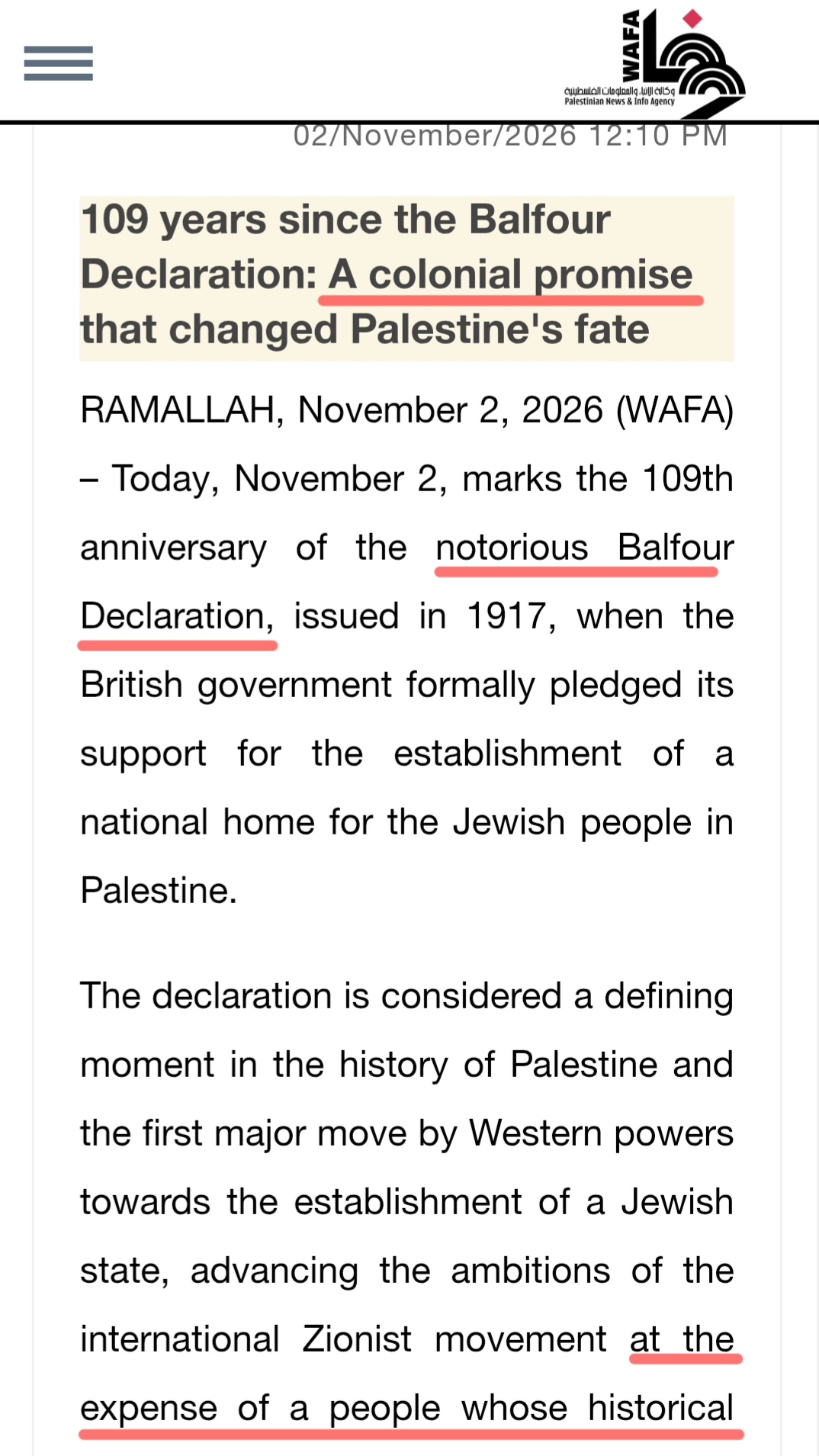
Every November 2, the Palestinian Authority’s official news agency, WAFA, condemns the 1917 Balfour Declaration as Britain’s “colonial promise” of a Jewish homeland in another people’s land.
Modern media offer another version of the Promised Land story, portraying Jews in Judea and Samaria as religious extremists seeking to fulfill a divine promise and establish a “Greater Israel.” In September, Al Jazeera described young Jewish women in the West Bank as pursuing the “so-called Promised Land” through territorial expansion. The Wall Street Journal similarly reported on violent Jews who regarded the territory as their divine birthright, so needn’t follow man-made laws.
Jews are cast both as messianic lunatics and colonial tools.
For the Palestinian Authority, Britain replaces God as the source of the promise. Contemporary reporting instead portrays Jews in Judea and Samaria as seeking to seize by themselves territory promised by God. One story invokes colonialism, the other religious zealotry. Both portray Jews as outsiders seeking land granted by someone other than local Arabs.
The word promised suggests a benefactor, a recipient and something yet to be delivered. That framing obscures the fundamental relationship between Jews, Judaism and the Land of Israel.
Britain could endorse a political homeland, but it could neither create nor define the Jewish people’s relationship with the land. When the League of Nations incorporated the Balfour commitment of a national home for Jews into the Palestine Mandate in 1922, it expressly recognized the Jewish people’s historical connection to Palestine and the grounds for reconstituting such national home there.
Reconstituting, not inventing.
Yet even the Mandate’s recognition of a historical connection falls short. Many peoples have ancestral homelands. The Land of Israel is not simply where Jews once lived.
As explored in our earlier article, Judaism Is an Ancient Folk Religion, Jews are not merely followers of a universal faith like Christianity or Islam. They are a people whose religion developed around a particular land. That land is embedded in Jewish law, language, calendar, prayers and identity. Exile dispersed the people without removing the land from their religion.
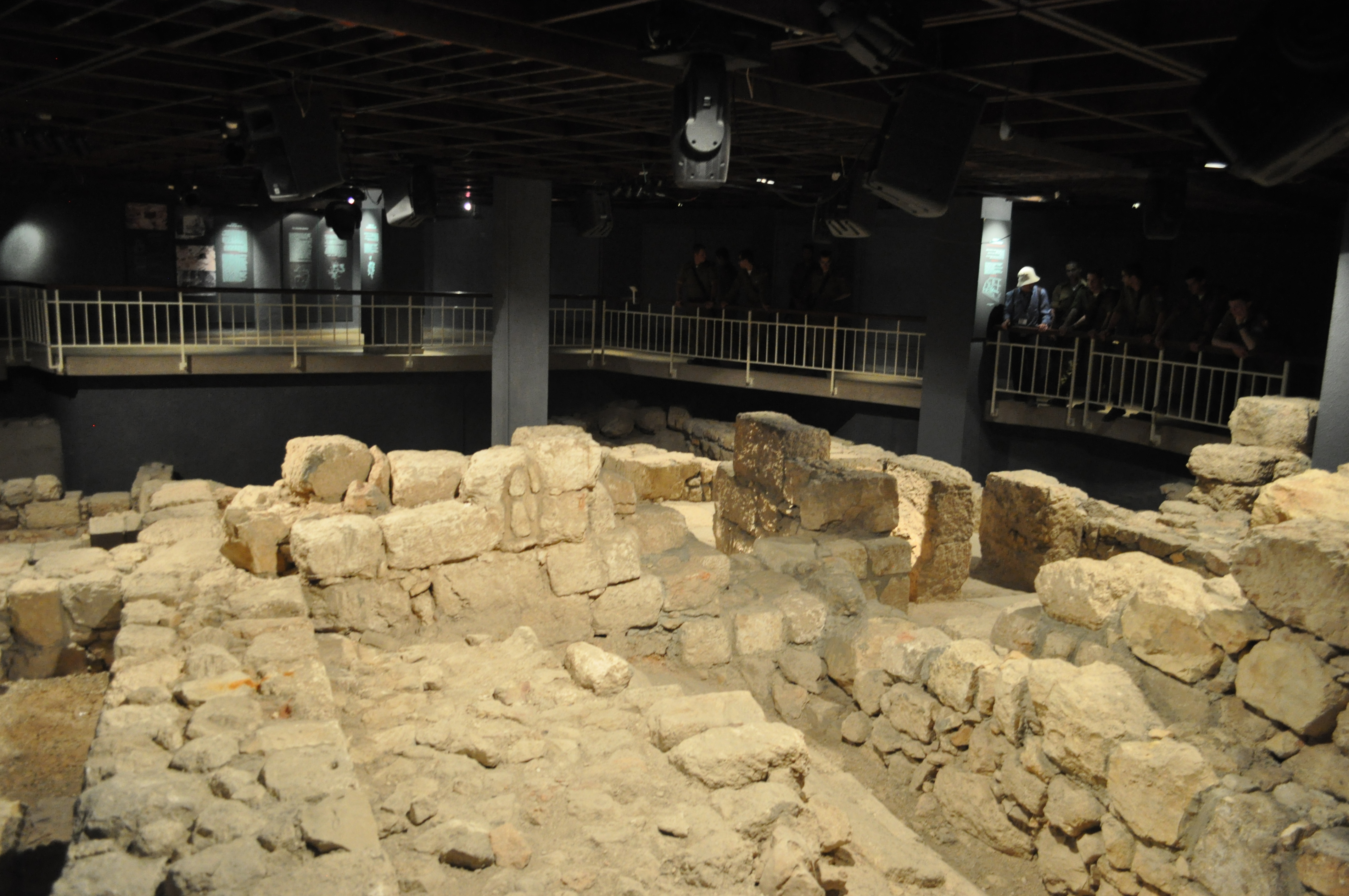
Nor does Judaism divide the land according to modern political borders. Hebron, Bethlehem and Shiloh in Judea and Samaria are as integral to Jewish sacred geography as Jerusalem, Safed and Tiberias.
The biblical promise remains central to Jewish religious tradition, but it is not the source of Jewish peoplehood. A secular Jew can reject belief in God while remaining part of a people whose civilization is inseparable from the Land of Israel.
Palestinian Arabs portray Jewish attachment to the land as a product of British colonialism, while contemporary media often portray it as a religious zealotry to acquire territory. Both falsely turn something embedded in Jewish identity into something Jews are seeking to obtain.
The Land of Israel is neither past nor future for Jews but integral, outside of time. It was never a gift of Britain nor the United Nations but an eternal promise from God to Jews. The lies promoted by the Arab world that Judaism is not connected to the Land of Israel and that Jews are interlopers is not just antisemitic but turns the Jewish God into a European Lord, a further desecration of Judaism.


