
The headline asked why hundreds of Gazans have been killed. The article never answered.
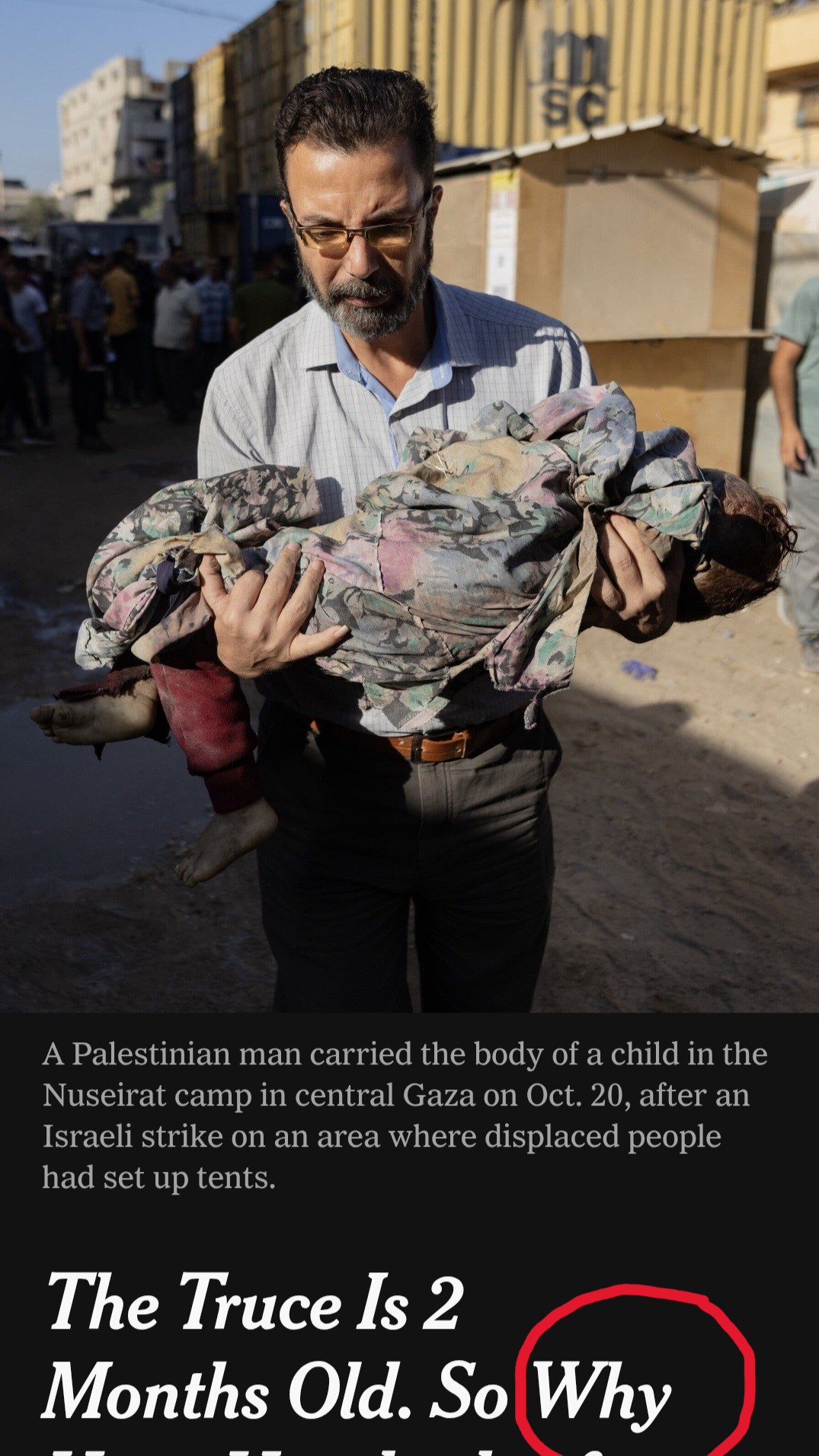
In its December 24 piece, The New York Times assembled an inventory of grief—names, faces, photographs, shattered families—documenting civilian death in Gaza with intimate precision. What it did not assemble was an explanation. The question at the top functioned as decoration; the answer was assumed. Israel hovered everywhere as implication, never as argument.
What the article omitted is not marginal. It is decisive.
It did not say that Hamas still holds an Israeli hostage, in violation of the ceasefire framework. As long as that person remains captive, the war has not ended and the terms of the ceasefire have not been met.
It did not say that Hamas has refused to disarm—flatly, publicly—even though disarmament is a core requirement of the multi-point plan meant to end the fighting. The vast majority of Palestinian Arabs in both Gaza and the West bank agree. This is not procedural quibbling. A movement that keeps its weapons is declaring its intention to keep killing. Leaving that fact out does not clarify the story; it inverts it.
“a core, cross-regional [Gaza and West bank] red line remains: overwhelming opposition to disarming Hamas, complicating any post-war arrangement.” – PCPSR poll of October 28, 2025
It did not say that Hamas continues to state openly that it will pursue the war until the Jewish state is destroyed. These are not coded remarks. They are repeated commitments. When a belligerent announces genocidal intent and retains its arsenal, civilian deaths are not mysterious. They are the predictable outcome of strategy.
“The resistance is capable of continuing, and I am confident that the outcome of this conflict will be the demise of this entity [Israel].” – Senior member of the Palestinian resistance movement Hamas, Osama Hamdan on December 23, 2025
Instead, The Times presented Gaza as a place acted upon—its people rendered passive, its leadership reduced to background noise. The governing reality was blurred, that the popular, armed movement that began the war – with overwhelming local support – insists on continuing it. Palestinian Arabs appeared as if history were happening to them, rather than through institutions that still mobilize society for conflict.
The photographs – eleven in all, a remarkable number for an article, mostly featuring children – did their work. They always do. Images narrow the moral aperture. They locate causality at the edge of the frame. What lies outside—tunnels, refusals, threats, the last hostage—falls away. Repetition turns absence into innocence.
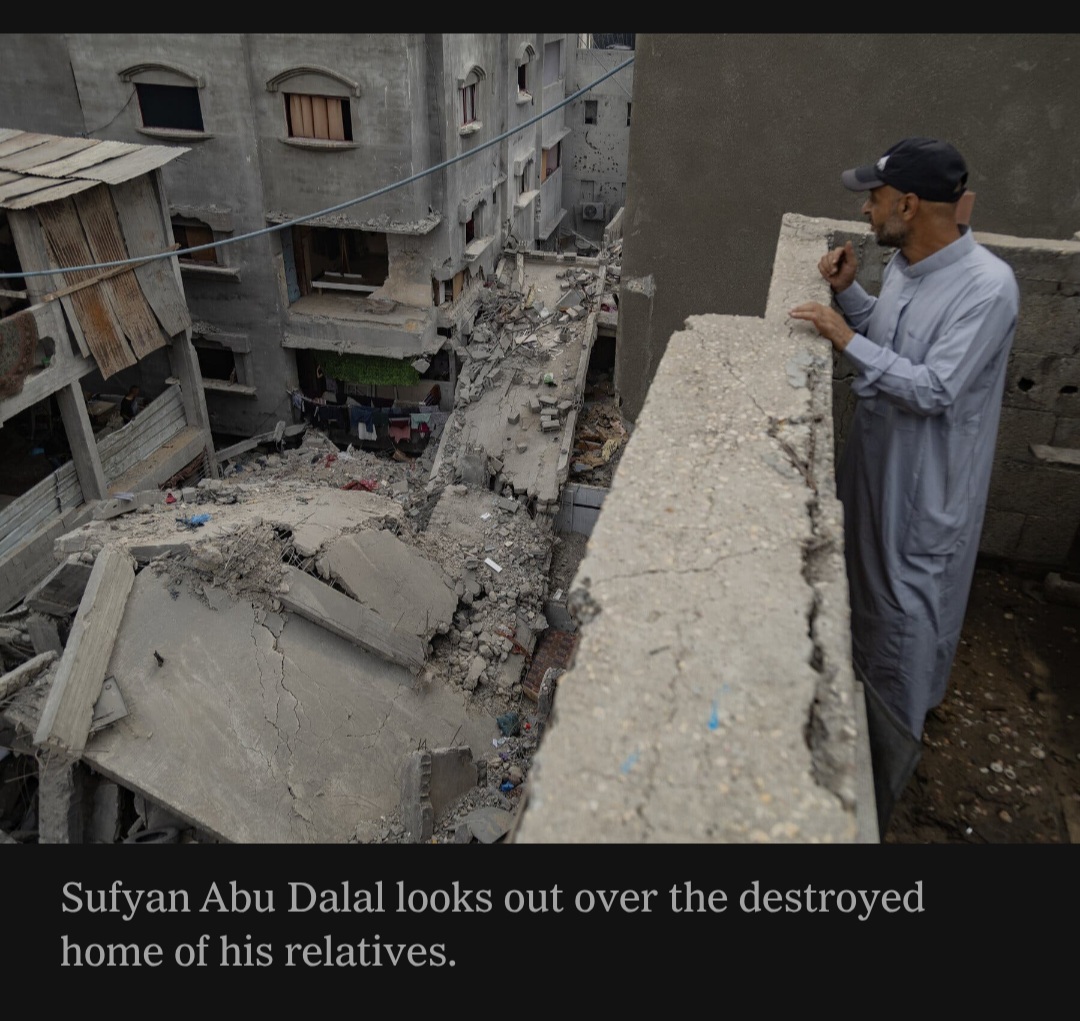

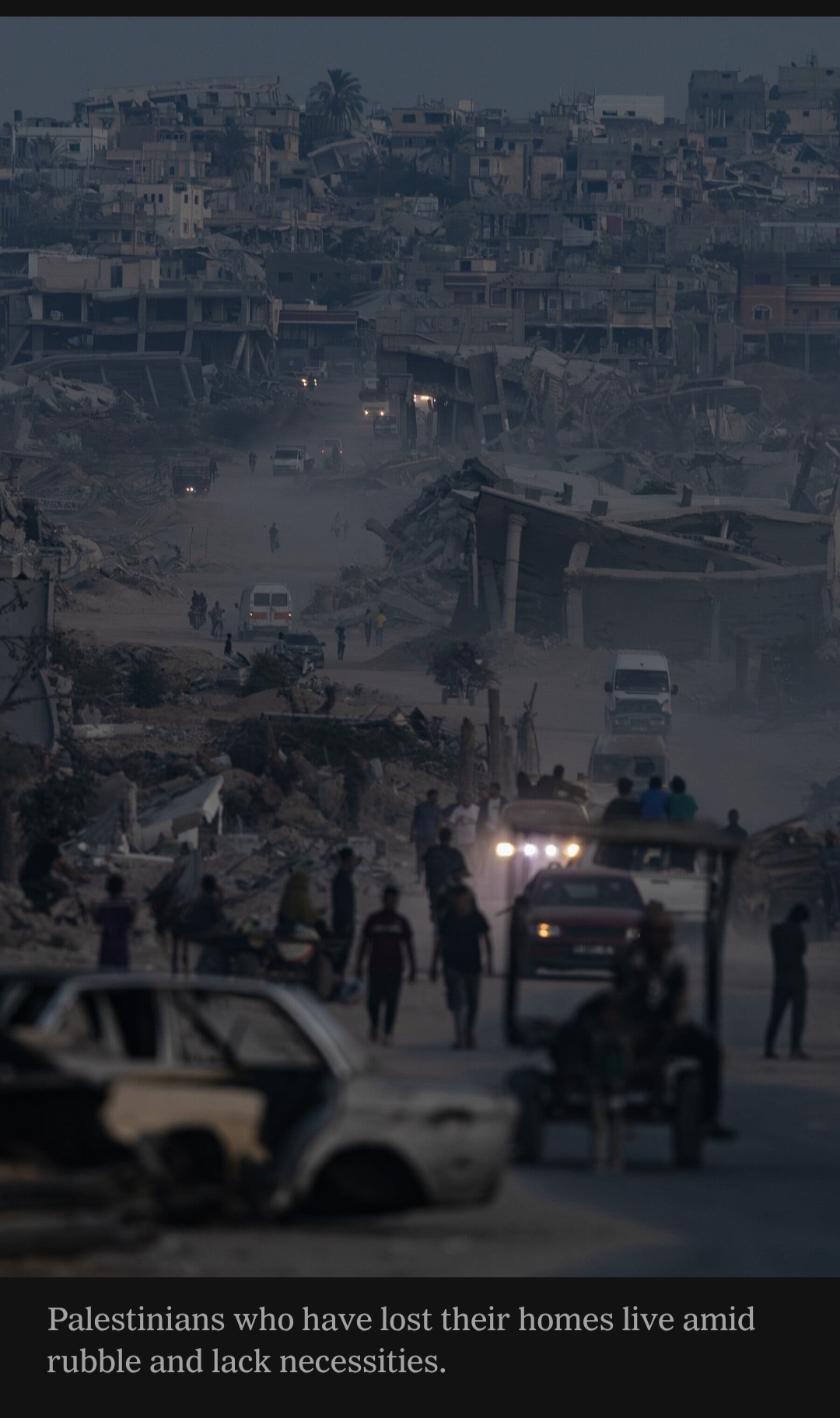
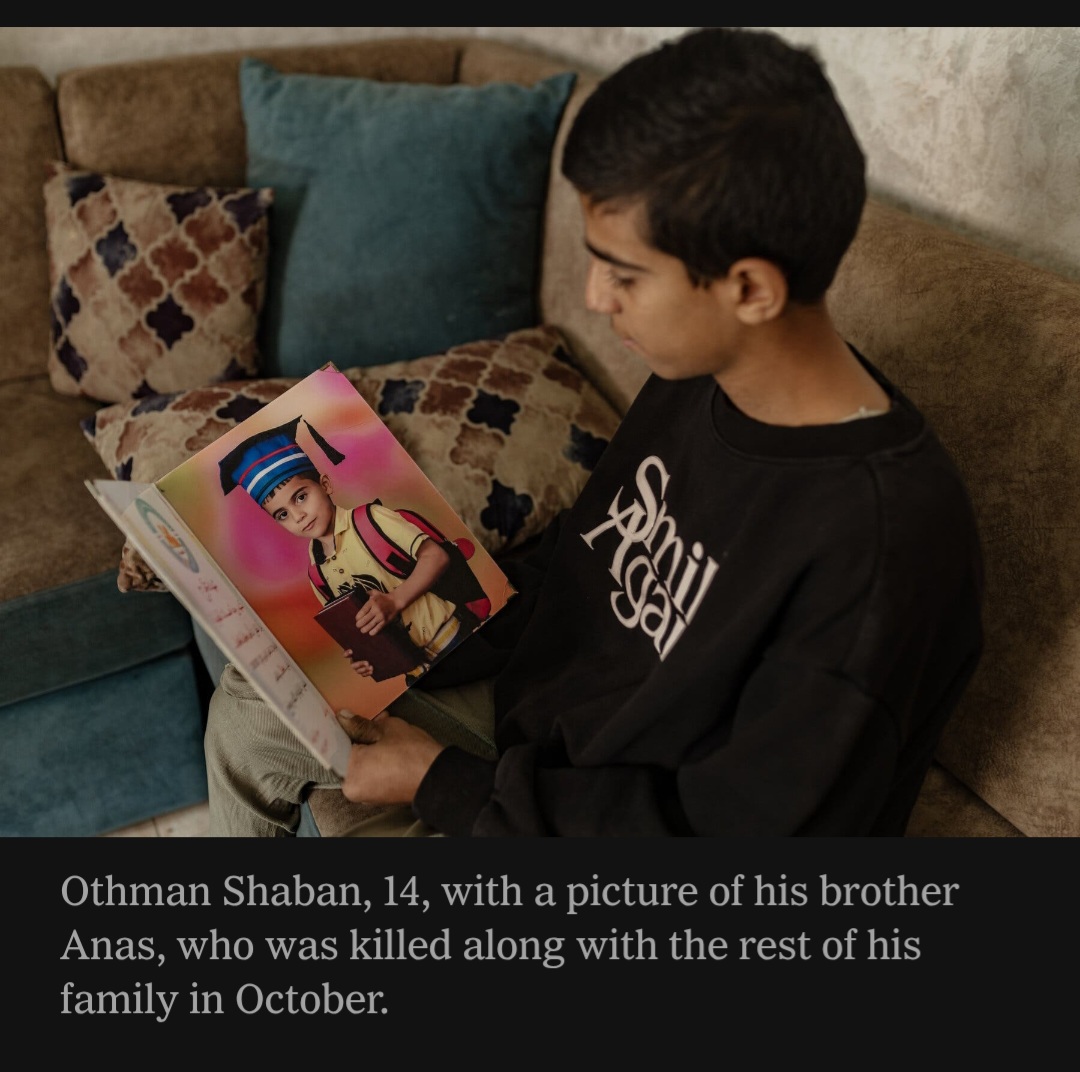

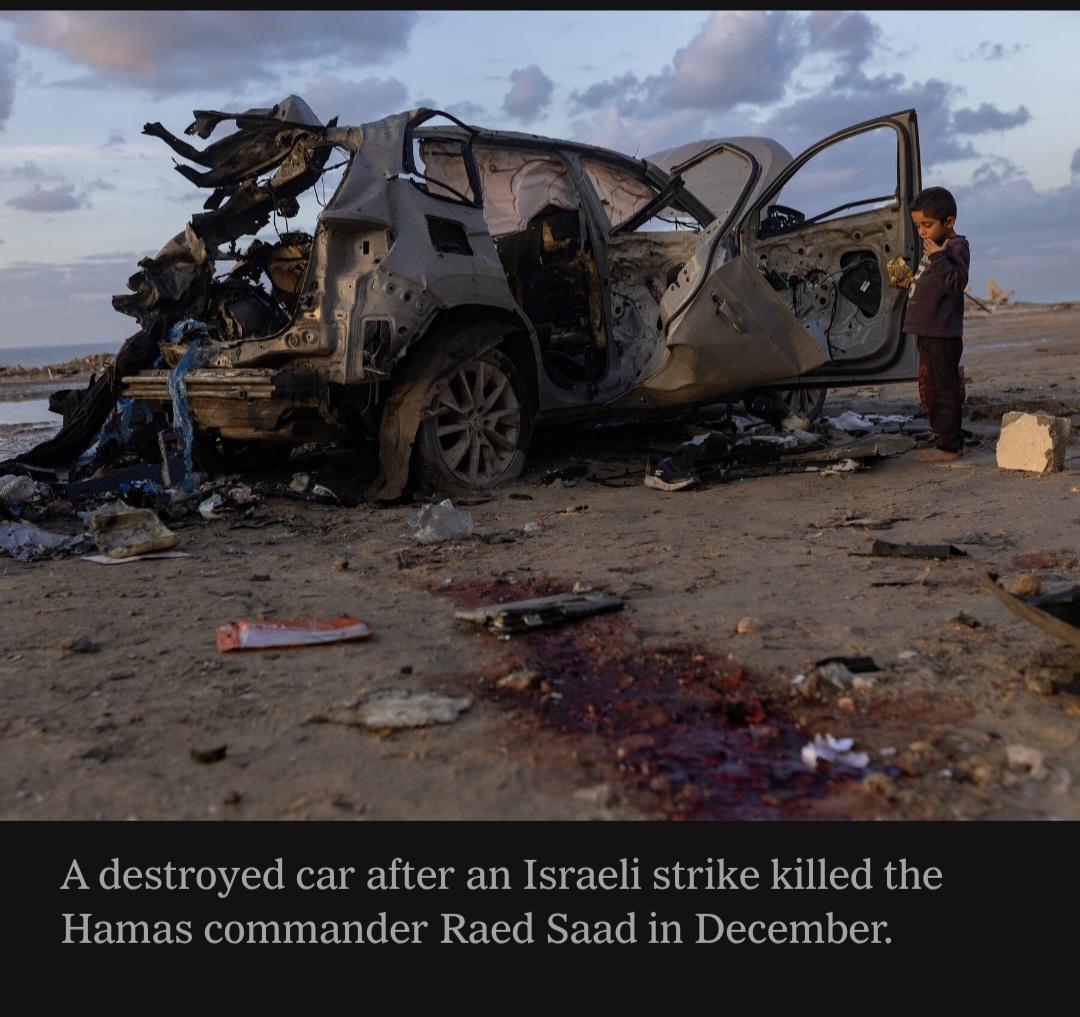
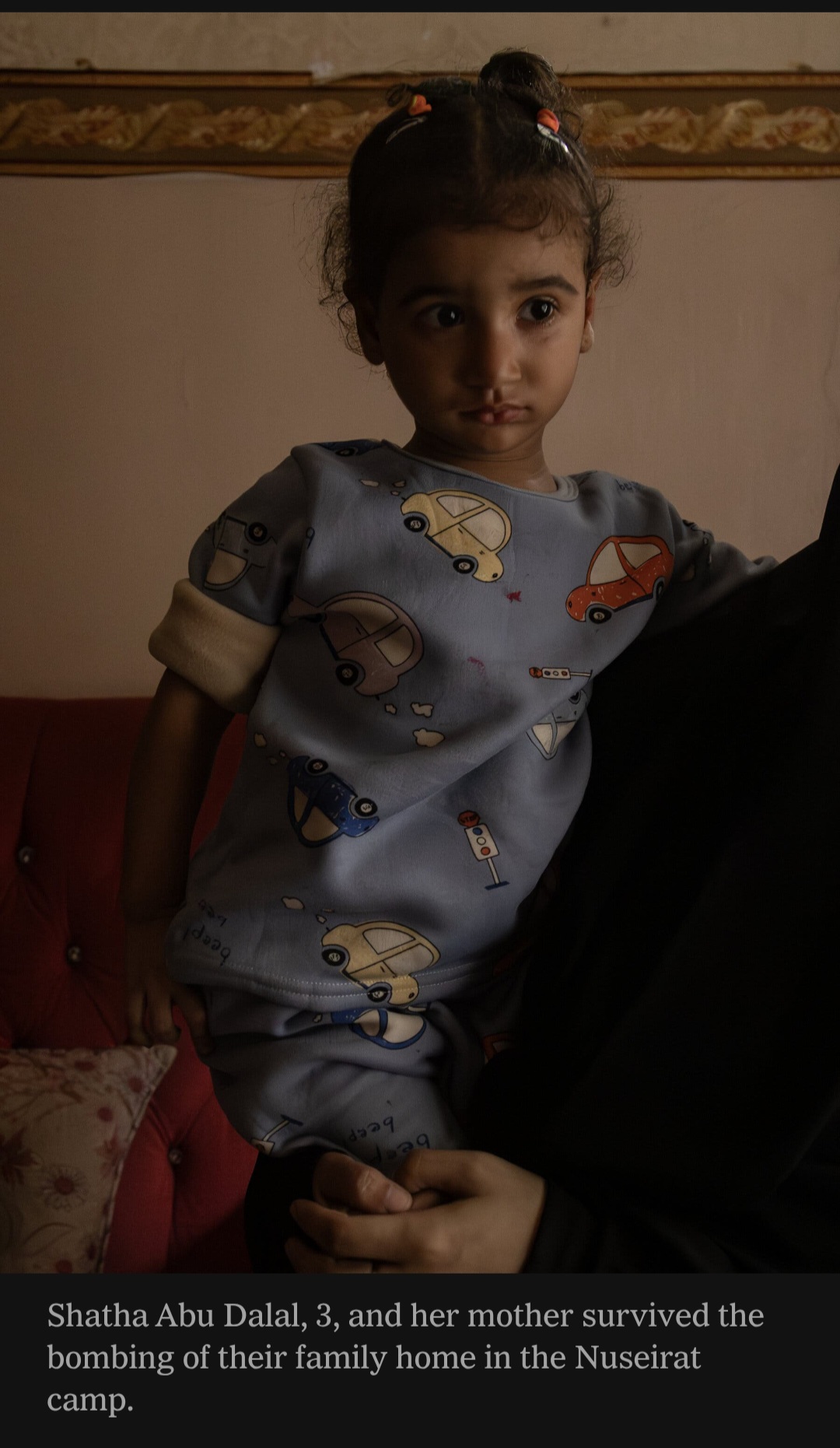
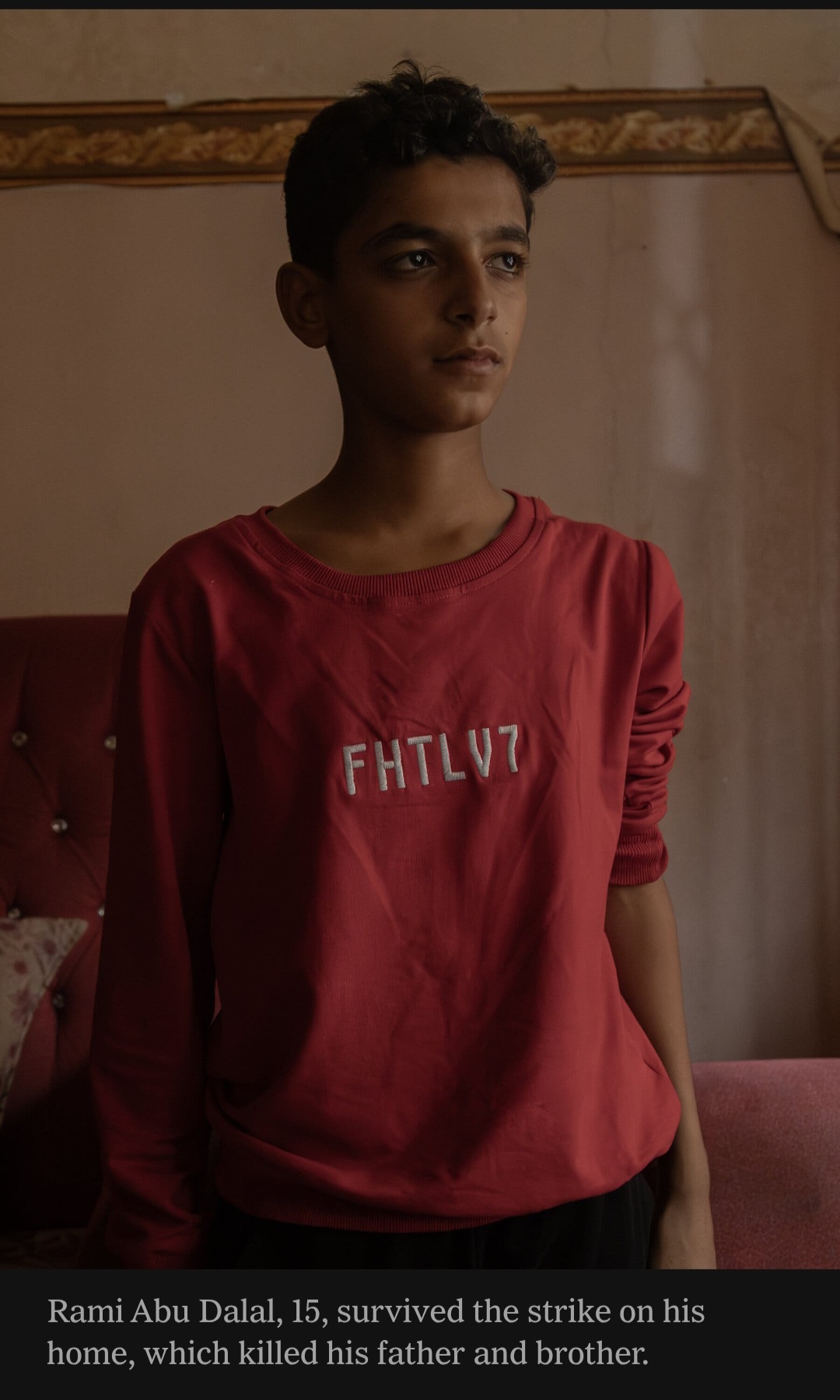
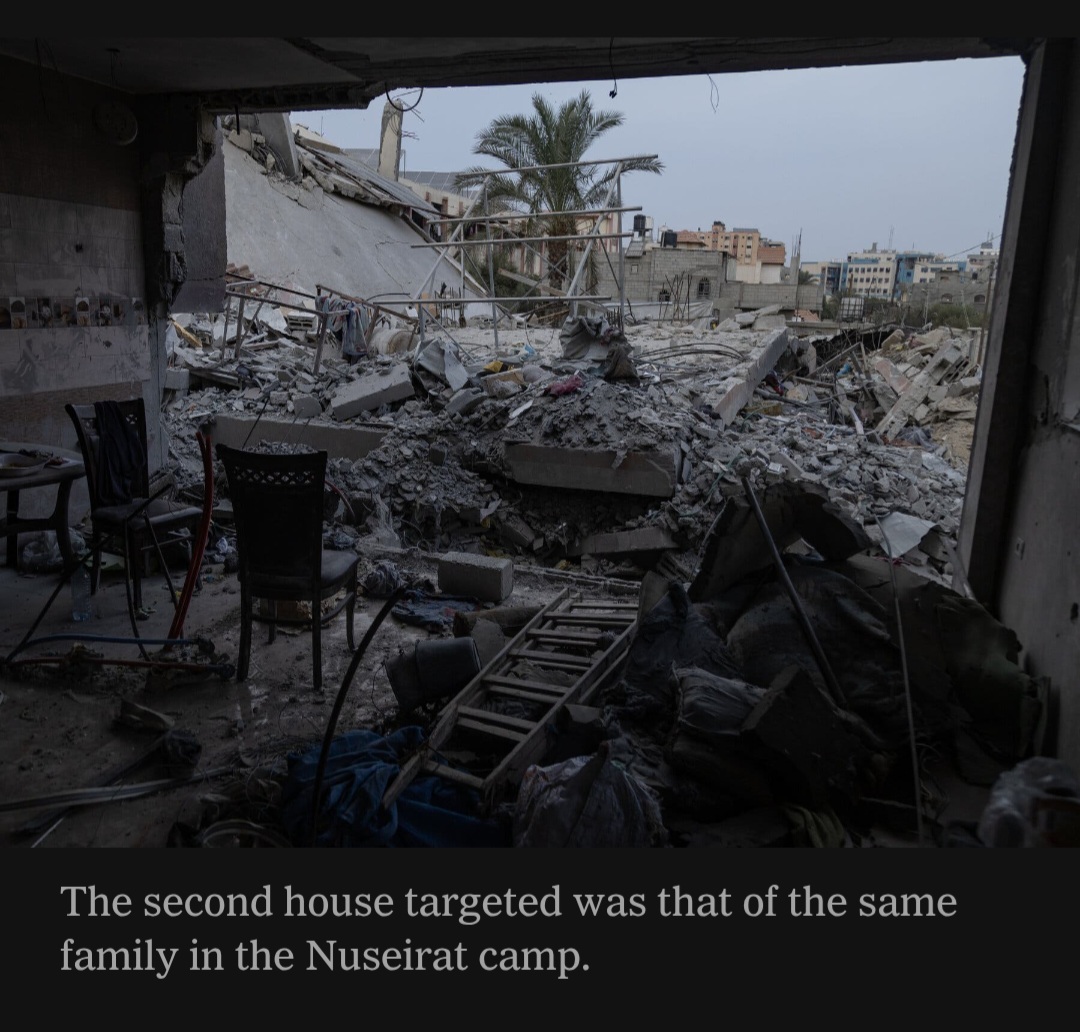
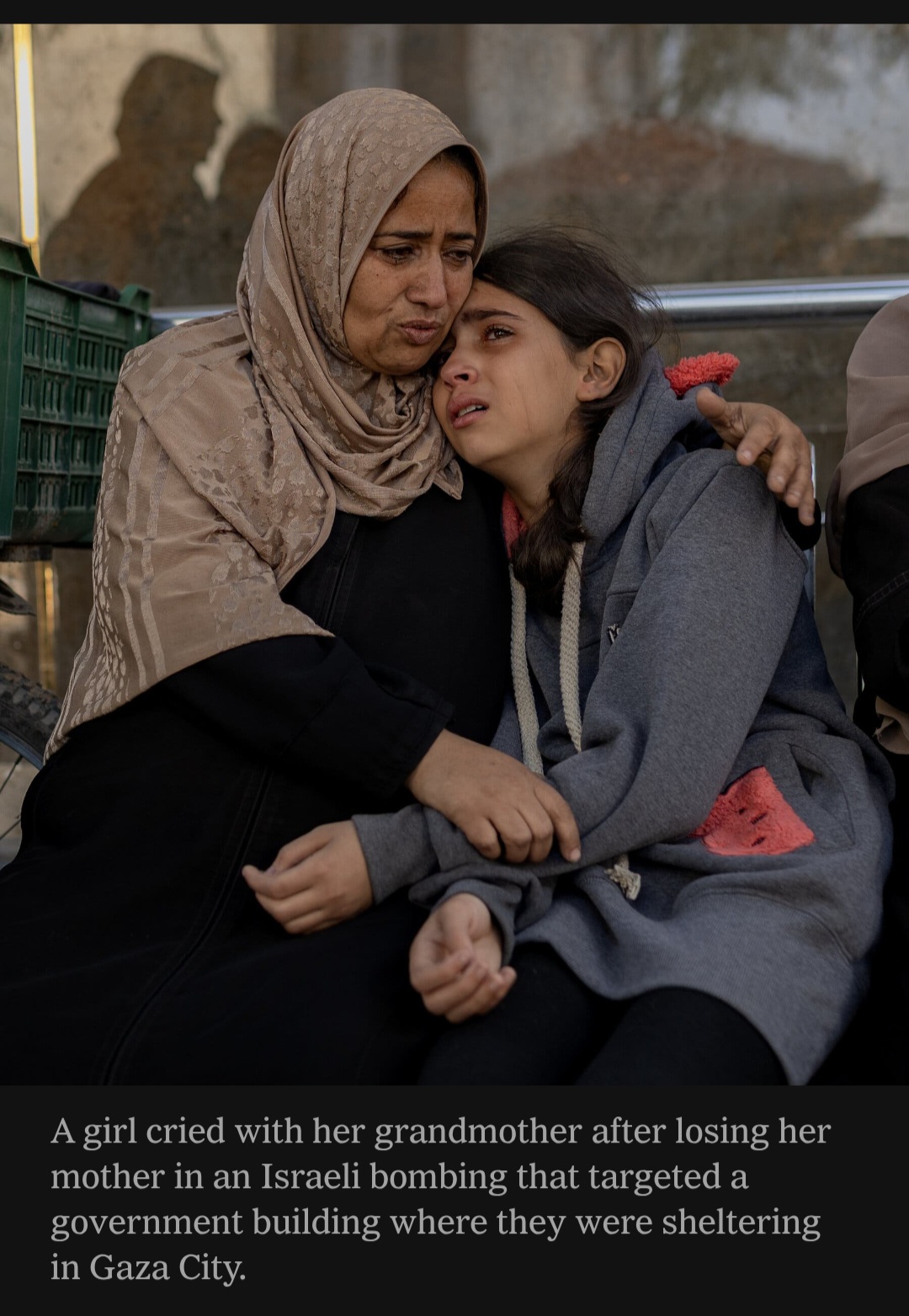
This is not empathy. It is evasion.
Civilian death is tragic and deserves coverage. But tragedy without agency becomes accusation by implication. When Arab suffering is anatomized down to the last tear while their popular elected leadership’s war-making is erased, journalism is no longer news but advocacy.
The Times did not lie. It curated. It acted as the political-terrorist group’s propaganda arm.
Readers are left asking why Israel is still fighting, when the honest question is why Hamas is still waging war—still holding the last hostage, still refusing disarmament, still promising destruction.
Every picture tells a story. This one tells a story about the author.

 First One Through
Pingback: Jedes Bild erzählt eine Geschichte: Der Krieg, den die Gazaner nicht anfingen – und nicht beenden | abseits vom mainstream - heplev