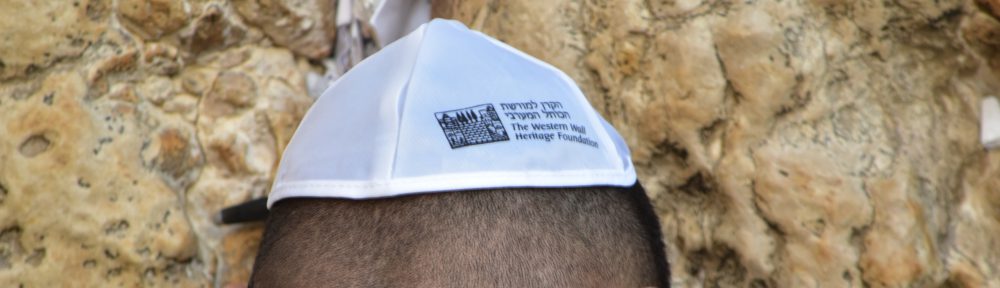
If one were to build a museum chronicling how a people educated generations toward hatred and eradication, the Palestinian Arabs would tragically merit their own institution.
The Museum of Genocidal Intent would not showcase armies, the tools of genocide. It would display ideas, laws, sermons, and schoolbooks that made destruction a virtue and coexistence a sin.
Entrance Hall – The Charter of Death
Visitors first encounter the founding documents: the Hamas Charter (1988) and early Fatah Constitution passages promising Israel’s annihilation. There are ballots underneath from the 2006 parliamentary elections with articles alongside showing the Stateless Arabs from Palestine (SAPs) electing Hamas to 58% of parliament as a first action of breathing self-determination.
As one leaves the room, leaders—from Arafat to Abbas to Haniyeh—chant “From the River to the Sea” and “We love death more than you love life.“
Gallery I – Educating for Erasure
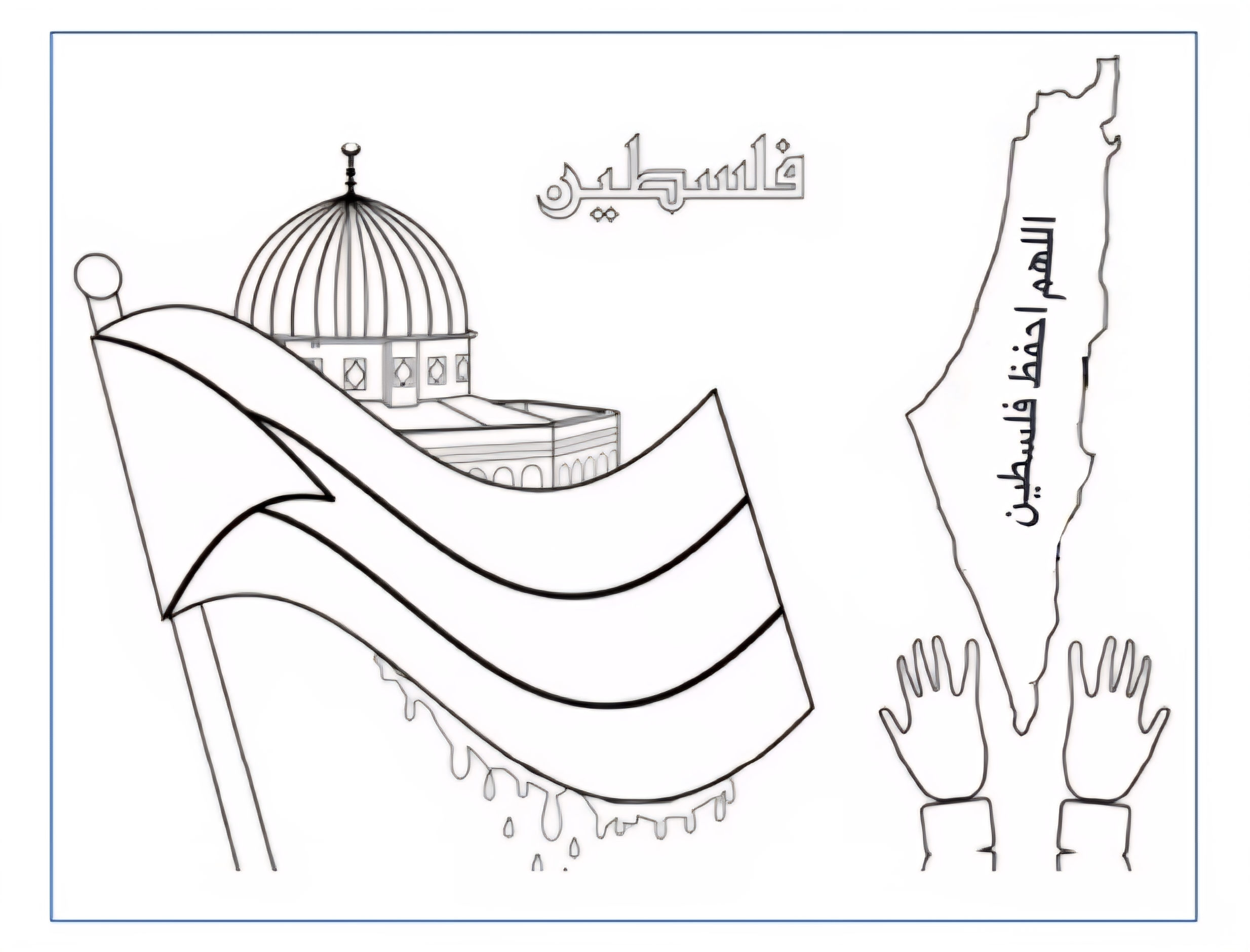
School desks and children’s cartoons line the room. In cases, textbooks from the Palestinian Authority show lessons which erase Israel from maps. UNRWA teachers like Afaf Talab have Facebook posts featuring wishes that God kills the Jews. A 9th grade lesson calls the firebombing of an Israeli bus a “barbeque party.” There is a coloring book hanging on the wall used in a fifth grade class in an UNRWA school which has a flag dripping in blood in front of the al Aqsa Mosque in Jerusalem, with a map of Israel alongside, erased into “Palestine.”
A television plays cartoons from Hamas TV shows, showing ultra-Orthodox Jews and Israeli soldiers digging under al Aqsa mocking Arabs and Muslims who are “asleep” as the crooked nosed-Jews threaten the mosque.
Interactive displays allow visitors to click on various videos from summer camps in Gaza and east of the 1949 Armistice Lines (E49AL/ “West Bank”). Young girls sing about “igniting an intifada,” encouraged “to shoot all the Jews” and taught if the Jews don’t leave Palestine, all of them should be “slaughtered.”
And the music. Popular Arabic songs play throughout the museum. They call for Jews to leave the land or be killed or kidnapped.
Gallery II – Icons of Murder
Here hang portraits of those celebrated for killing Jews: Dalal Mughrabi, Yahya Ayyash, and others.
Under each image scroll the names of their victims—families, schoolchildren, passengers.
Nearby, official “martyrs’ fund” ledgers show stipends paid to convicted attackers from the Palestinian government. In the center of the room are mock ups of the various schools, public squares and soccer tournaments named for the “martyrs.”
Gallery III – International Complicity
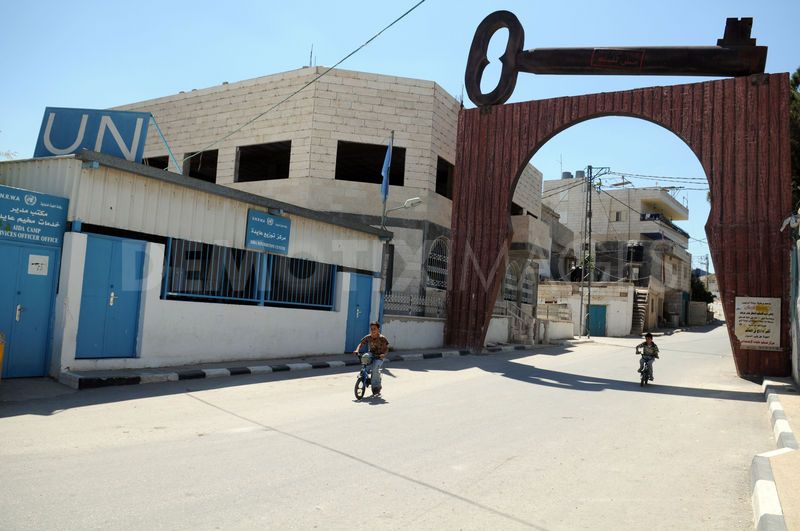
Painted UN blue, this hall traces how global institutions enabled indoctrination. Pictures of leaders of various European countries including Belgium and Norway that fund the schools and squares named after terrorists. Copies of numerous United Nations resolutions cover the walls, which condemn Israel but not Hamas, which make it illegal for Jews to live in the Old City of Jerusalem, and illegal to pray at their holiest site on the Temple Mount.
A large picture of the entrance to the UN-run “refugee” camp in Bethlehem with a key on top of a keyhole portal emphasizes that the international community is the vehicle for Arabs to eradicate the Jewish State.
Gallery IV – Blood Narratives
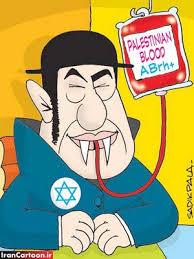
Walls of newspapers and posters accuse Jews of medieval crimes: poisoning wells, harvesting organs. Animated panels compare Nazi caricatures to modern Palestinian cartoons—the imagery identical. Loudspeakers replay sermons calling Jews “descendants of apes and pigs.”
Gallery V – Polling: Voices in the Numbers
Interactive charts present PCPSR and other surveys over time:
- December 2023 – about three-quarters of Palestinians called the October 7 attack “correct.”
- Majorities favored continued “armed struggle.”
- Roughly two-thirds support killing Jewish civilians in Israel in every poll since 2000

Gallery VI – Jerusalem: The Theater of Denial
A model of the Al-Aqsa plaza plays footage of Murabitat women harassing Jewish visitors to the Temple Mount.
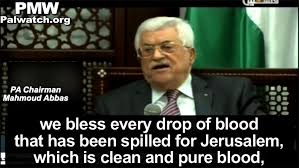
PA President Mahmoud Abbas and other PA officials can be seen on videos claiming “Jews have no history in Jerusalem.” Audio of chants—“With blood and soul we will redeem you O Aqsa”—fills the room. Hamas leaders promise to repeat the October 7 “al Aqsa flood” massacre “again and again.”
Gallery VII – The Forgotten Ethnic Cleansing of Jews
Artifacts from before 1967 tell the story before the story:
- The massacre and expulsion of Jews from Hebron in 1929
- Synagogues Destroyed: photos of Jerusalem’s Old City after Jordan’s takeover—58 synagogues razed.
- Expulsion: maps marking every Jewish family removed from the Old City.
- Jordan’s illegal annexation of part of Israel in 1950.
- Jordanian Citizenship Law (1954): text denying Jews any right to Jordanian nationality.
- Jews denied entry to the Old City of Jerusalem
Gallery VIII – Lynching: Public Violence as Spectacle
The public spectacle of the killing for the crowds is highlighted in the last room of the permanent collection.
- Hebron 1929 – photos and testimonies of the massacre where 67 Jews were murdered
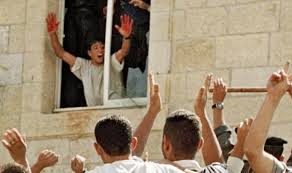
- Ramallah 2000 – two Israeli reservists beaten to death by a mob; a photograph of a man showing blood-stained hands became an icon of the Second Intifada. The crowd cheers.
- Gaza, 2023 – pictures of Gazans cheering as dead Israeli women are paraded through the streets.
Special Exhibit – The Sbarro Massacre: Innocence Targeted
At the museum’s center stands a quiet, glass-walled room marking August 9, 2001, the bombing of the Sbarro pizzeria in Jerusalem.
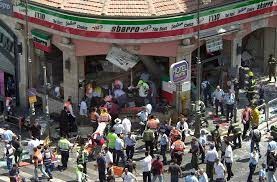
Artifacts include: fragments of the restaurant sign and surviving menu board; the broken guitar of 15-year-old victim Malki Roth; children’s shoes and schoolbooks retrieved from the site.
Chronology Panel: maps trace the attacker’s route and later trials of the planners.
Testimony Wall: written reflections from victims’ families—the Roths, Greenbaums, Schijveschuurders—describe loss and their ongoing quest for justice.
Media Archive: displays neutral summaries of press interviews and court transcripts noting the convicted organizer’s open lack of remorse, contrasted with international outrage and U.S. extradition efforts.
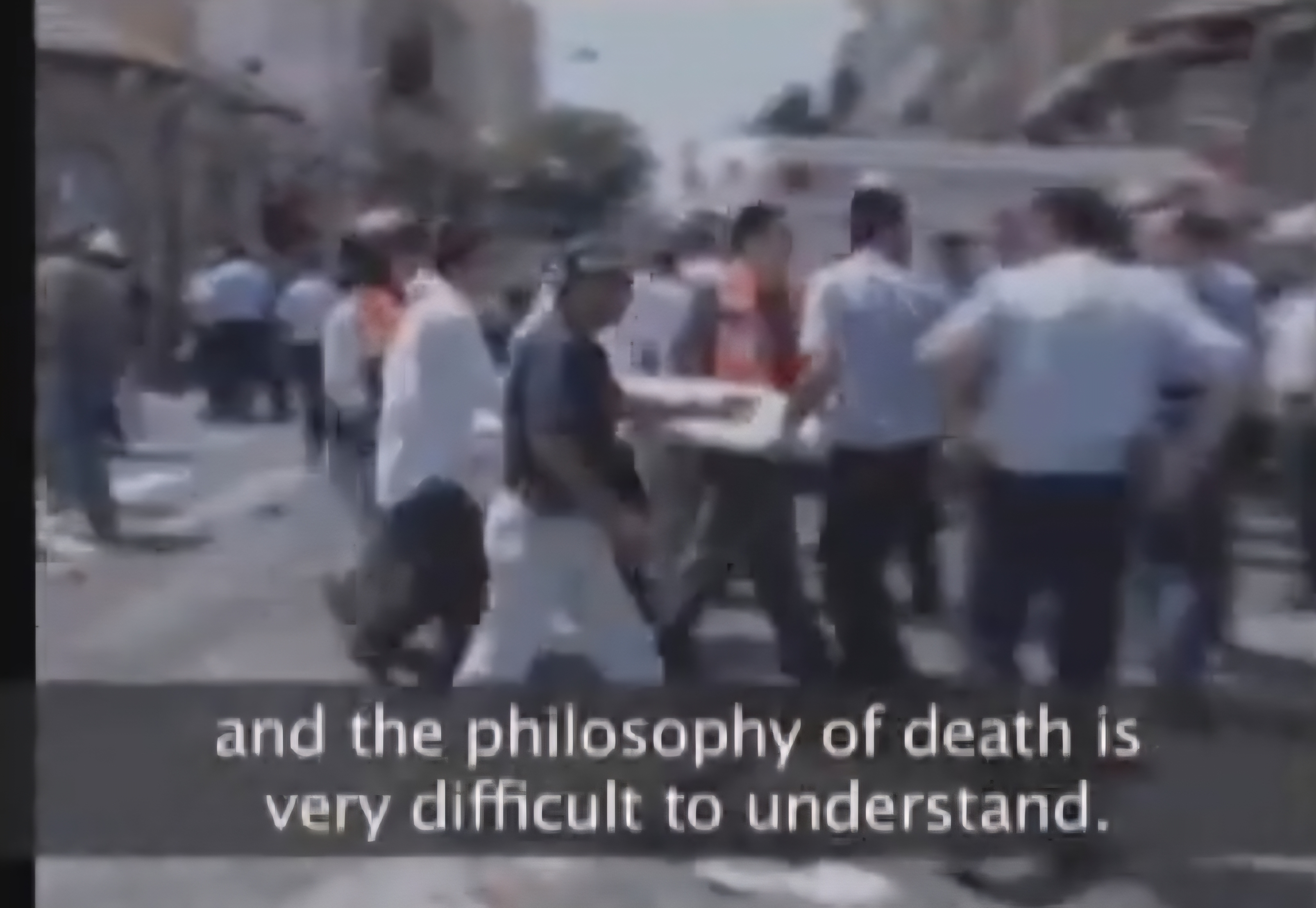
A video concludes with the terrorist Ahlam al-Tamimi stating how proud she was to have killed “religious Jews” and eight children.
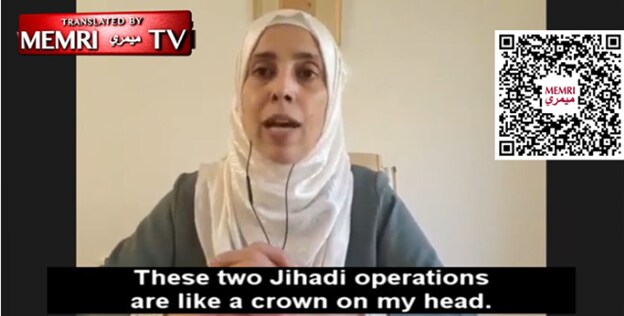
Her words hang over the door as one leaves the building: “the philosophy of death is very difficult to understand.” She lives as a free woman walking the streets of Jordan today, a hero to millions.
Epilogue
The Museum of Genocidal Intent does not exist, yet its exhibits do—scattered through classrooms, speeches, and monuments.
Each artifact documents a choice: to teach vengeance or to teach life.
Only when the real-world versions of these exhibits are dismantled will the possibility of peace move from behind glass into the open air.

 First One Through

Shalom Shalom!!! 🕊️Absolutely. These “teaching museums” should be built
LikeLike
Pingback: The Ghosts of Genocide | First One Through
Pingback: Die Geister des Völkermords | abseits vom mainstream - heplev
Pingback: Ending Evil Is Not Revenge | First One Through
Pingback: Dem Bösen ein Ende zu setzen ist keine Rache | abseits vom mainstream - heplev
Pingback: No Hashtag for Khartoum or Mogadishu | First One Through