There is something rotten in Ithaca.
In October 2023, Cornell professor Russell Rickford described Hamas’s massacre of Israelis as “exhilarating” and “energizing.” Weeks later, a Cornell student threatened to shoot Jewish students, rape Jewish women and murder Jewish babies. Three years later, Rickford remains on the faculty, socialist organizations have gained political influence across campus, and anti-Israel activists have transformed Cornell’s student government and political culture.
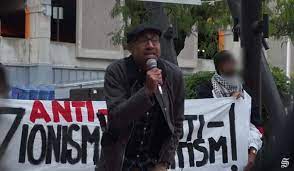
Cornell’s socialist revolution has unfolded alongside a disturbing deterioration in the environment for Jewish students. Organizations promoting socialism and campaigning against Israel have become political partners, winning elections, organizing demonstrations and challenging the university’s institutional relationships with Israel.
Rickford’s October 2023 remarks were captured on video just days after Hamas terrorists murdered, raped and kidnapped Israelis. Jewish students questioned whether they could safely express opposing views in his classroom. Cornellians for Israel president Zoe Bernstein and Hillel executive vice president Simone Shteingart publicly challenged his remarks. Rickford apologized, took a leave of absence and eventually returned to teaching, including a course titled Socialism in America.
Within weeks, Cornell student Patrick Dai threatened to attack the university’s kosher dining hall, shoot Jewish students, rape Jewish women and murder Jewish babies. The threats terrified Cornell’s Jewish community, prompting a police investigation. Dai was arrested, pleaded guilty and sentenced to federal prison.

Cornell’s Young Democratic Socialists of America chapter lists more than 300 members in the university’s student organization directory. One Cornell organizer advanced to national YDSA leadership, while another won election to Ithaca’s Common Council.
YDSA increasingly works alongside Students for Justice in Palestine, Jewish Voice for Peace and Cornell Progressives. Their joint campaigns seek divestment from weapons manufacturers, opposition to Israeli institutions and an end to Cornell’s relationship with Israel’s Technion. The broader Coalition for Mutual Liberation has claimed participation by more than 40 campus and community organizations.
The transformation is particularly striking when measured against Cornell’s recent history.
In 2014, Cornell’s Student Assembly voted 15–8–1 to table an Israel divestment resolution. A decade later, nearly 70% of participating undergraduates supported a divestment referendum. Graduate students approved another referendum in 2025. By 2026, every Student Assembly candidate jointly endorsed by SJP, YDSA and Cornell Progressives had won.
That political ascent was accompanied by increasingly confrontational activism. Protesters established encampments, disrupted a career fair involving defense contractors and interrupted an appearance by former Israeli foreign minister Tzipi Livni. Cornell imposed disciplinary sanctions and temporarily suspended SJP before reinstating it under conditions.
The Anti-Defamation League assigned Cornell a C in its 2026 campus antisemitism report card.
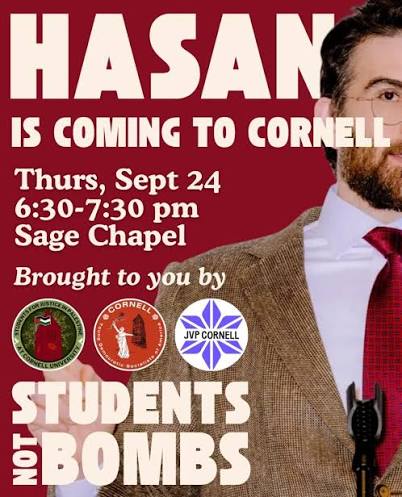
The relationship between socialism and anti-Zionism became especially visible in September 2026, when Hasan Piker addressed approximately 450 students inside Cornell’s Sage Chapel at an event involving YDSA and other anti-Israel organizations.
Piker had previously declared that Hamas was a thousand times better than Israel. When challenged about that comparison on Pod Save America, he responded, “I stand by that.”
At Cornell, Piker celebrated socialist electoral victories, including the rise of New York City Mayor Zohran Mamdani, and joined a chant of “From the river to the sea, Palestine will be free.”
Governor Hochul sits on Cornell’s Board of Trustees by virtue of her office. Together, the university’s leadership and trustees bear responsibility for protecting the freedom of political expression while ensuring that Jewish students can participate in university life without intimidation.
Cornell has spent three years demonstrating how much ideological extremism its academic culture can accommodate. A professor celebrated the slaughter of Israelis. A student threatened to murder Jews. Socialist and anti-Israel organizations expanded their political influence, and a speaker who publicly stood by his favorable comparison of Hamas to Israel was welcomed into Sage Chapel.
Cornell’s Jewish students have watched this transformation from the receiving end of threats and intimidation.
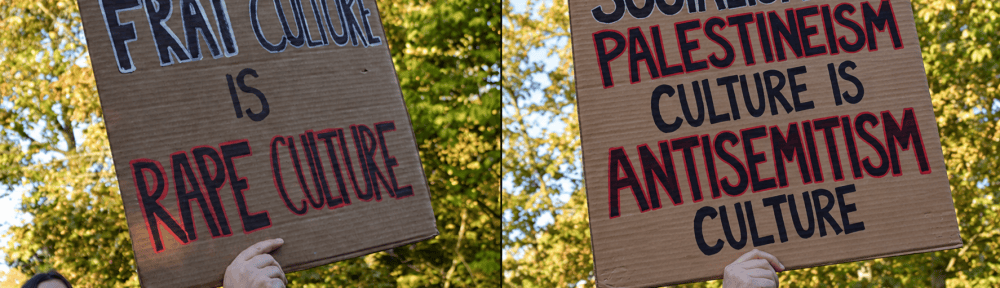
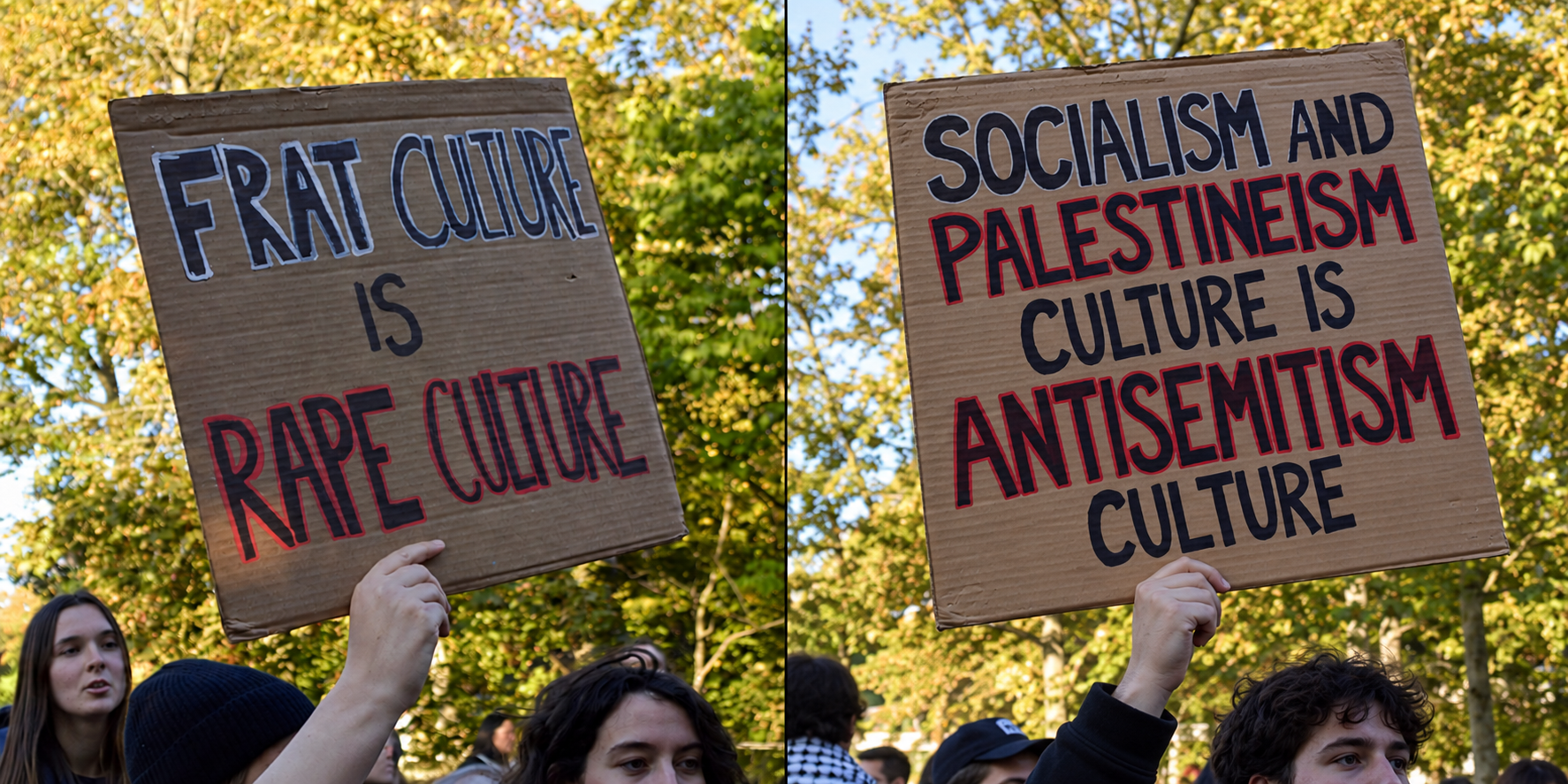
Cornell has decided to shut down fraternity events and parties for the rest of the year after a suit alleging gang rape at a fraternity in 2024 came to public attention. Will the school take similar action against the socialism and anti-Israel clubs?


Sent from my iPhoneOn Oct 19, 2026,
LikeLike
Excellent article.Also- thanks for the piece
LikeLike