Israel is home to nearly 10 million people.
They are Jews, Muslims, Christians, Druze, Bedouin, and others. They are children going to school, parents going to work, soldiers defending their country, and grandparents hoping to see their families thrive. Like people everywhere, they seek safety, opportunity, dignity, and peace.
Those aspirations should not be controversial.
Yet few nations are asked to justify their existence as frequently as Israel.
That is why the phrase “Let Israel Live” matters.
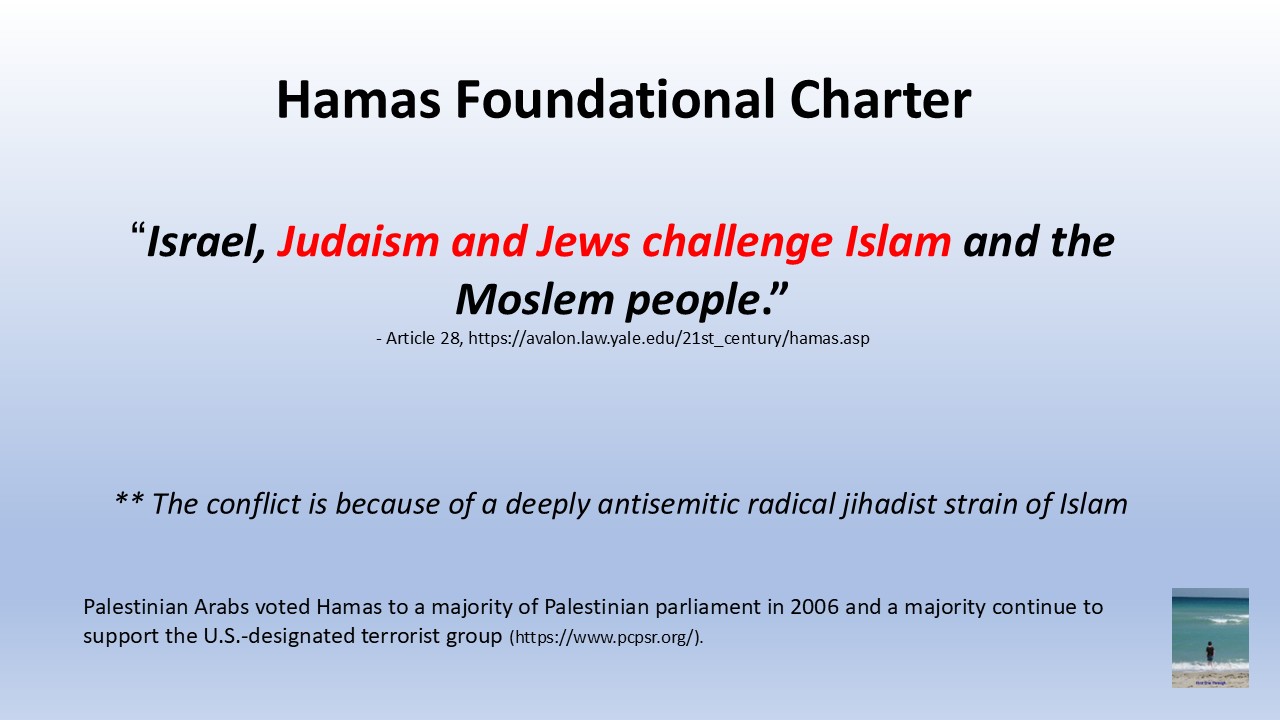
At its most basic level, it is an affirmation of a simple principle: a people has the right to live in security in its homeland. Israeli children should not grow up under the threat of rockets, missiles, terrorism, kidnappings, or calls for their destruction. Families should not have to wonder whether a bus ride, a concert, or a holiday celebration will become the target of violence.
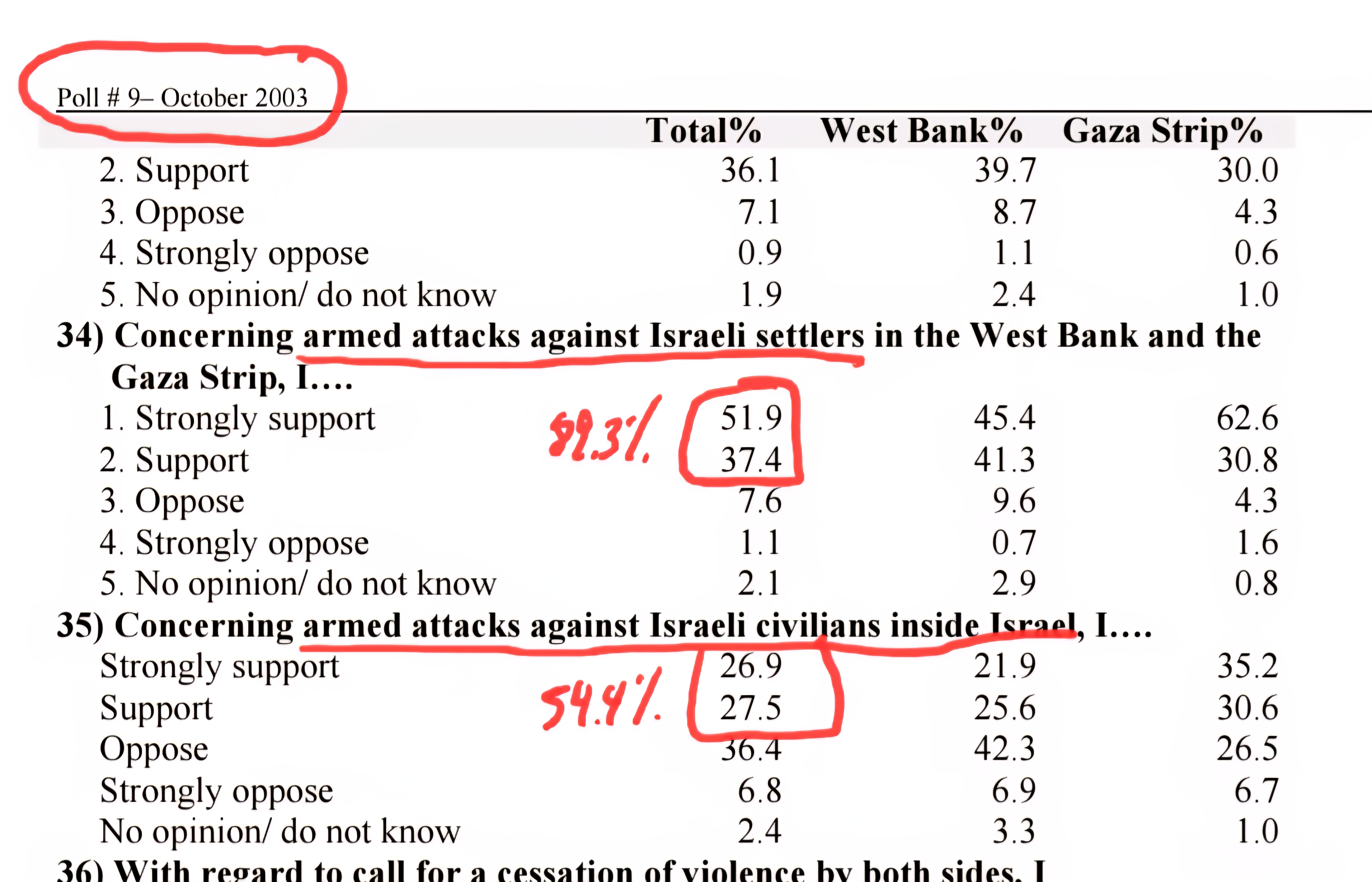
Security is not a privilege. It is a right.
To say “Let Israel Live” is to recognize that Israelis are human beings rather than symbols in a political debate. Discussions about Israel often revolve around governments, borders, diplomacy, and conflict. Lost in those discussions are the millions of ordinary people whose lives are directly affected by them.

The phrase carries an even deeper meaning for the Jewish people.
For centuries, Jews lived at the mercy of rulers, empires, and majorities. Again and again they were expelled, persecuted, or denied the ability to determine their own future. Israel represents the restoration of Jewish self-determination in the ancestral homeland of the Jewish people.
To say “Let Israel Live” is therefore not merely a statement about physical security. It is an affirmation that the Jewish people, like all peoples, possess the right to govern themselves and shape their own destiny.
The phrase “Let Israel Live” asks for nothing extraordinary.
It asks that Israel be granted what every people seeks for itself: the right to live, the right to flourish, and the right to exist in peace.


