
A bombing attempt near Gracie Mansion followed a pattern Americans have seen before: young men radicalized online, pledging allegiance to the Islamic State of Iraq and Syria, and attempting violence in the name of jihad.
But if you read the The New York Times, you might never notice the pattern at all.
Two men were charged after attempting the ISIS-inspired bombing near Gracie Mansion. Prosecutors say the suspects pledged allegiance to ISIS and threw improvised explosive devices toward a protest crowd and police. The bombs failed to detonate, but the casualties could have been catastrophic. The bombing suspects were 18-year-old Emir Balat, a high school student, and Ibrahim Kayumi, 19.
The plot followed a model ISIS has promoted for years: radicalize individuals already living in Western societies and encourage them to strike where they live. No training camps. No command structure. Just ideology delivered through propaganda, social media and Muslim countries money in American schools.
America has already seen the results.
In 2015, a radicalized couple carried out the San Bernardino attack. Syed Rizwan Farook was 28 and Tashfeen Malik was 29.
In 2016, Omar Mateen, 29, murdered forty nine people in the Pulse nightclub shooting in Orlando while declaring loyalty to ISIS.
In 2017, Sayfullo Saipov, also 29, drove a rented truck onto the Hudson River bike path in Manhattan in the 2017 New York City truck attack, killing eight people and leaving a note pledging allegiance to ISIS.
This pattern is not accidental. ISIS propaganda deliberately targets young Muslims in their late teens and twenties, the age when identity and grievance can be shaped by ideology. The strategy is not to import terrorists into the West. It is to cultivate them here.
Yet when the New York Times recently referenced the Hudson River attack, it described it simply as “a terrorist driving a truck killed eight people.”
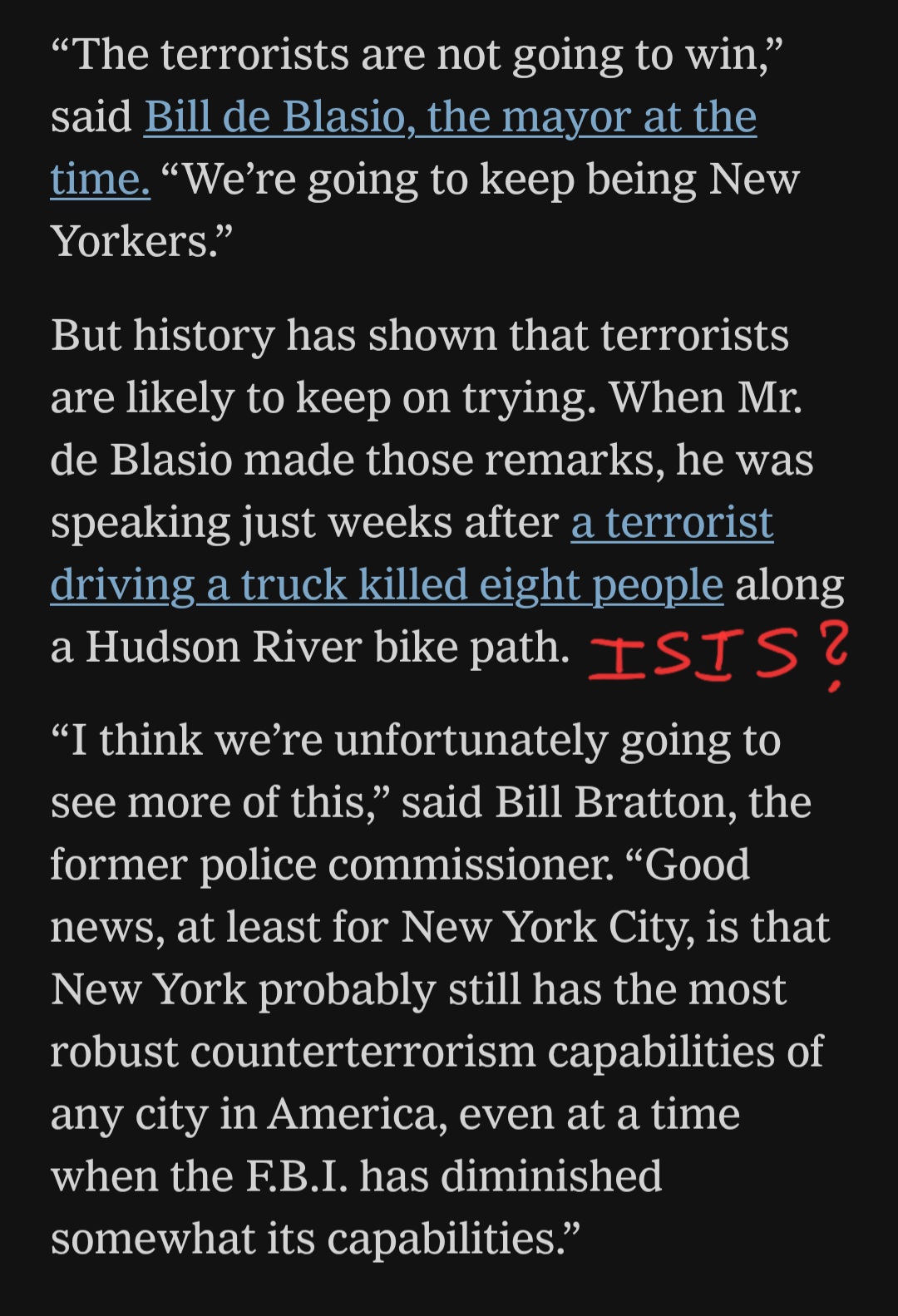
The ideology behind the attack vanished from the story.
When the ideology behind violence disappears, the violence itself begins to look random. But it is not random. It is ideological.
The same pattern of New York Times’ language appears elsewhere.
After the October 7 massacre carried out by Hamas, the New York Times described social media posts celebrating the attack as being “supportive of the Palestinian cause.” One of the examples involved Rama Duwaji, the wife of New York mayor Zohran Mamdani, who had liked posts praising the attack shortly after it occurred. At the time, Duwaji was 26 years old.
October 7 was a terrorist assault in which more than a thousand Israelis were murdered and civilians were kidnapped. Describing celebration of that massacre as support for a “cause” transforms the event itself, and radical jihadi terrorism disappears.
ISIS and Hamas operate in different places and pursue different strategies, but they draw from the same radical Islamist narrative that frames Jews as enemies and violence as religious duty.
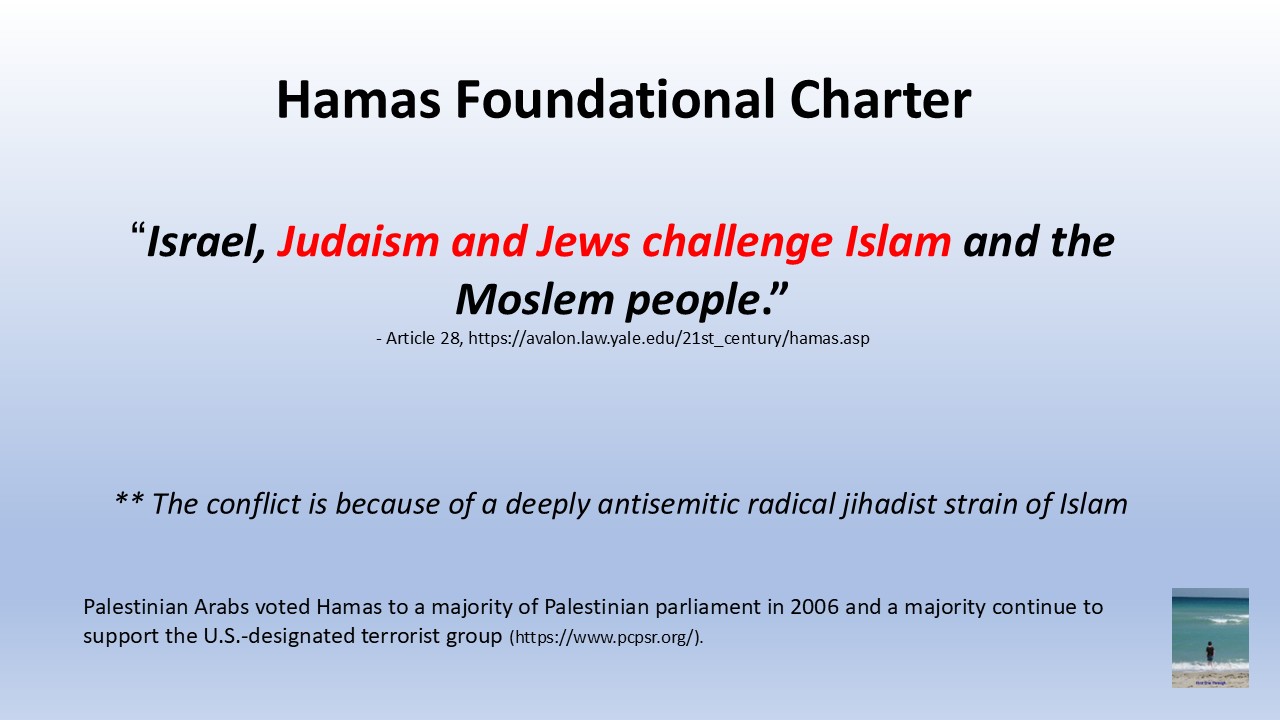
Online, that narrative increasingly reaches the same audience: young people in Western societies, including young Muslims searching for identity and purpose.
In New York the consequences are already visible. According to the New York City Police Department, Jews consistently account for the largest share of hate crime victims in the city, far out of proportion to their share of the population.
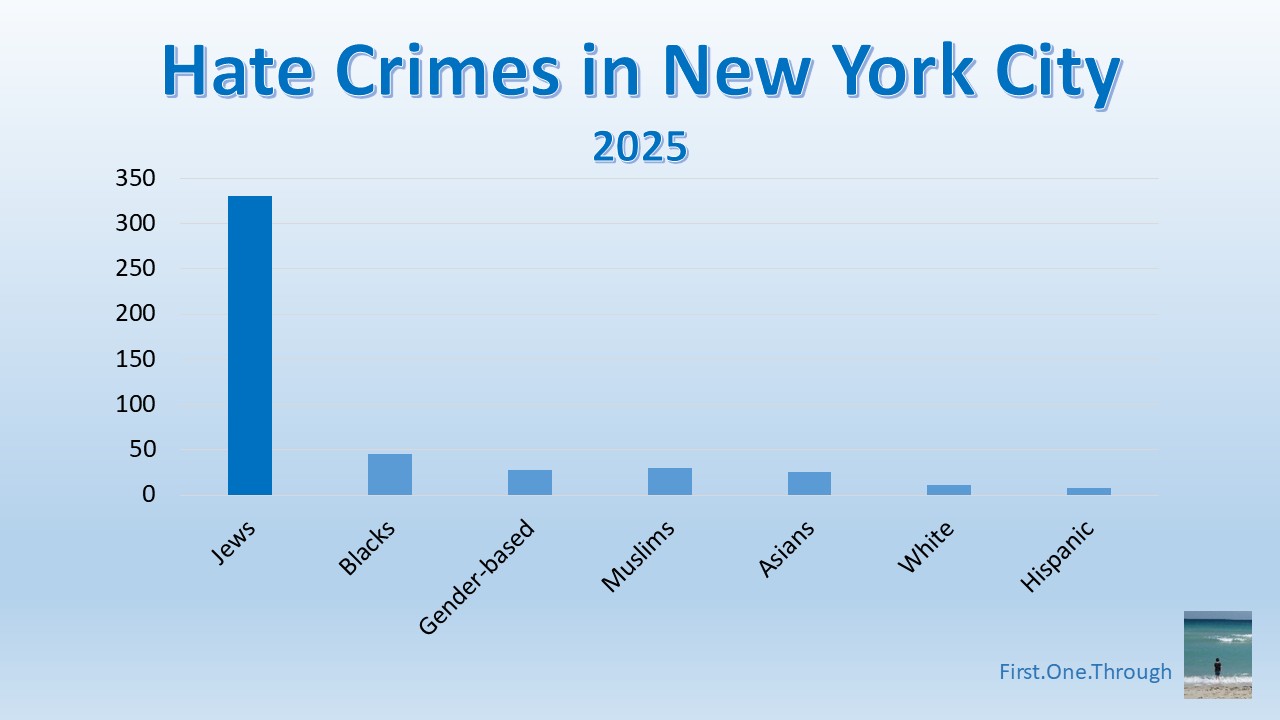
We now face two related problems.
First, there is an ideology problem. Radical Islamist movements openly encourage violence against Western societies and portray Jews as enemies in a religious struggle.
Second, there is a sanitization problem. When that ideology is softened, blurred, or renamed as a “cause,” the public cannot see the pattern.
San Bernardino.
Orlando.
The Hudson River bike path.
Bombing attempt near Gracie Mansion.
Young people celebrating Muslim massacres of Jews.
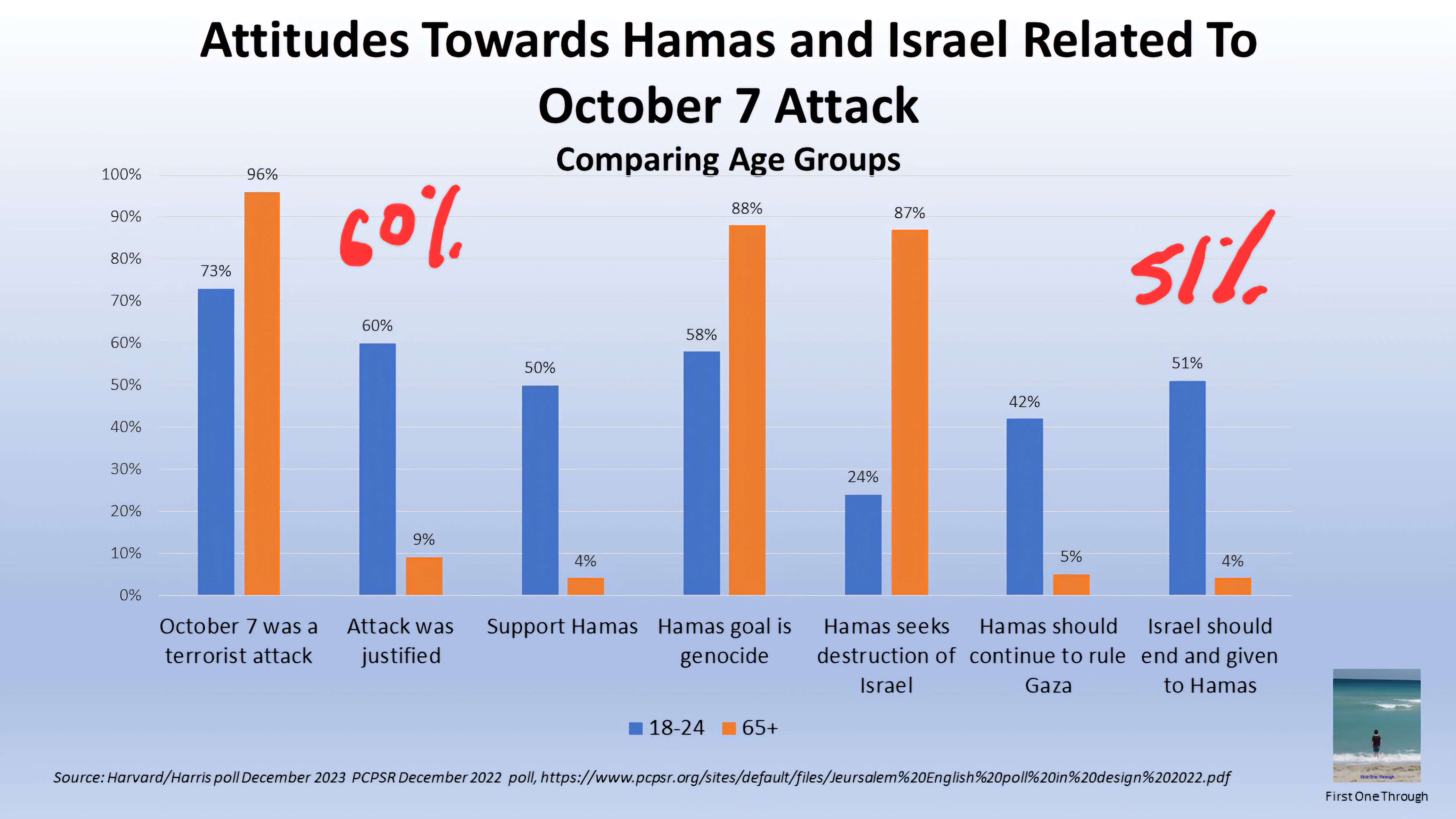
Different attacks with the same ideological current reaching the same young audience, and pointing toward the same enemies.
The violence makes headlines yet the ideology poisoning western youth is being whitewashed. That is jihadi-washing, and it endangers us all.

 First One Through
Pingback: The Losers’ Echo of the Six Day War | First One Through
Pingback: The UN Has Wiped Raped Jewish Women From History | First One Through