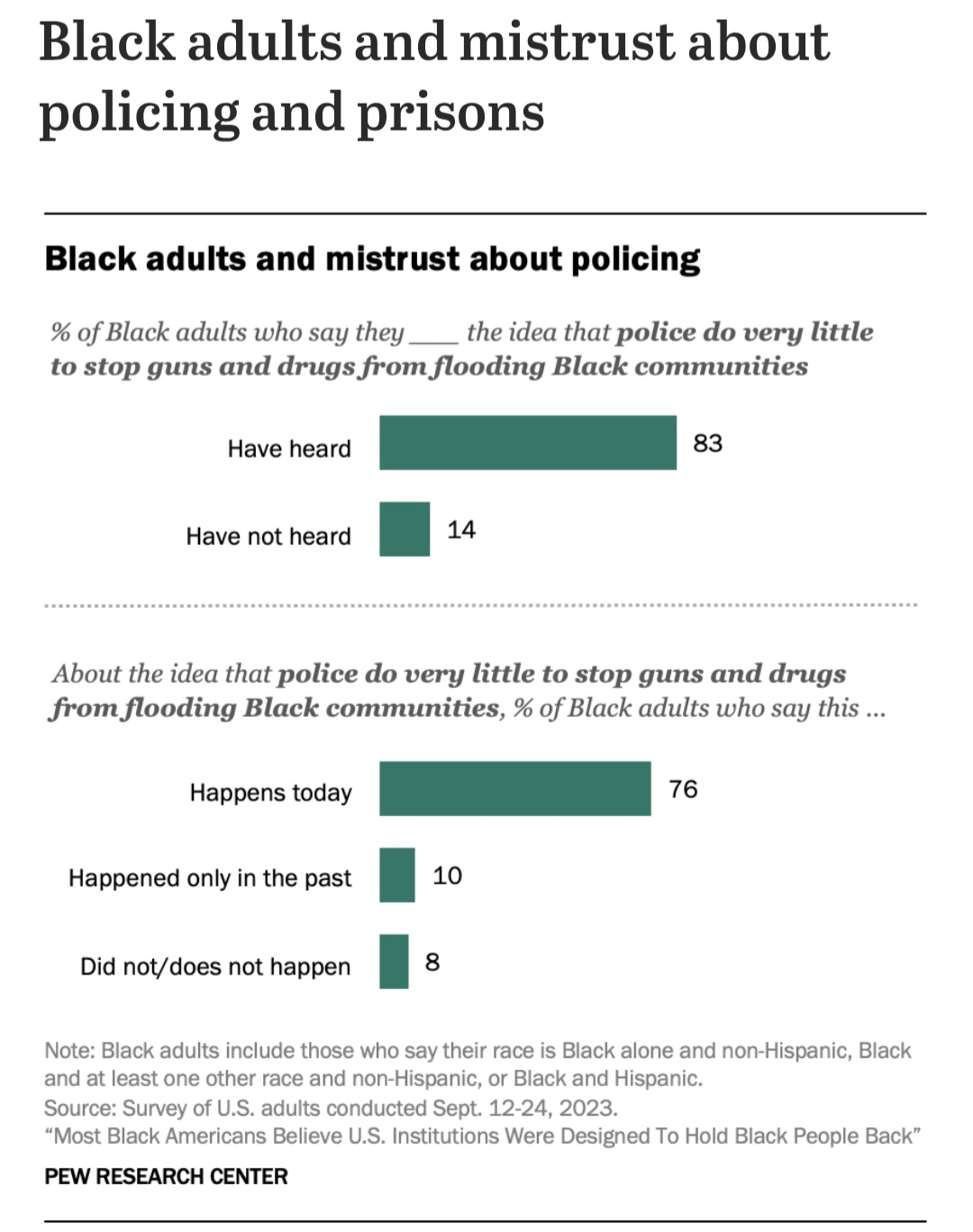
Black Americans have long used a phrase that captures a structural grievance: over-policed and under-protected.
The complaint is that disproportionate scrutiny produces disproportionate outcomes. If people in one neighborhood are stopped more often, searched more often, cited more often, it will generate more arrests. Those arrests are then cited as proof that the scrutiny was justified. The cycle validates itself.
Israel occupies a similar structural position in international institutions.
At the United Nations Human Rights Council, Israel is the only country assigned a permanent, standalone agenda item — Item 7: “Human rights situation in Palestine and other occupied Arab territories.” Every regular session includes debate under this item. No other state – not China, not Iran, not North Korea – is subject to a standing country-specific agenda item.
The numbers reinforce the asymmetry. Since its creation in 2006, the Council has adopted more condemnatory resolutions against Israel than against any other country. In multiple sessions, Israel alone has faced more resolutions than the rest of the world combined.
Volume creates narrative.
Layer onto that the density of global media in Jerusalem – more permanent foreign correspondents than in most active war zones – and the scrutiny becomes constant. Every military action is instantly internationalized. Allegations become juridical language before investigations conclude. Terms like “war crimes” and “genocide” enter discourse early and stick.
The latest war began with an attack Israel did not initiate and repeatedly stated it did not seek. It conditioned an end to fighting simply on the return of hostages and disarmament, to which Gazans repeatedly refused. While urban combat against embedded fighters produces tragic civilian loss, the reported civilian-to-combatant ratios in this conflict fell well below ranges seen in other recent urban wars. That context rarely leads headlines.
Black Americans understand how presumption operates. When systems assume danger, data accumulates accordingly. When institutions assume guilt, findings follow.
“It’s the broader narrative of who belongs and who doesn’t, which allows certain groups to tap in the police department, to use the police department or weaponized the police department in ways that are conducive to violence against Black people” – Lallen T. Johnson, Department of Justice, Law and Criminology at American University
Similarly, the United Nations decided that Jews do not belong in Jerusalem – the holiest city in Judaism – or east of the 1949 Armistice Lines / the “West Bank”, so have developed a criminal system that specifically and persistently targets Jews. The mere presence of Jews is labelled “illegal” and an affront to international law.
“Condemning all measures aimed at altering the demographic composition, [presence of Jews] character and status of the Palestinian Territory occupied since 1967, including East Jerusalem,” – UN Security Council Resolution 2334

When one minority community, whether it be racial or national, lives under permanent investigation, outcomes will look like confirmation of wrongdoing, even when standards are warped and unevenly applied.
Over-policing corrodes trust at home. Over-condemnation corrodes credibility abroad.
Justice requires symmetry. Blacks and Jews know it all too well.

 First One Through