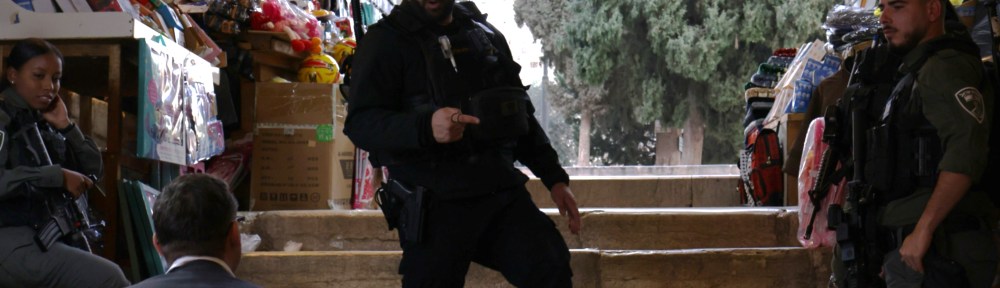
For decades the argument over the Jewish Temple Mount has been framed in one direction only: Jewish prayer must be restricted because Jewish prayer may trigger Muslim violence. The legal scaffolding for that argument is old and sturdy. The British Mandate for Palestine built it directly into Article 13, promising free exercise of worship while “ensuring the requirements of public order and decorum.” Later arrangements, including Oslo, preserved the same operating logic in practical form, with Israel retaining security authority even while leaving day-to-day religious administration to the Jerusalem Islamic Waqf.
That logic has governed the Mount for a century.
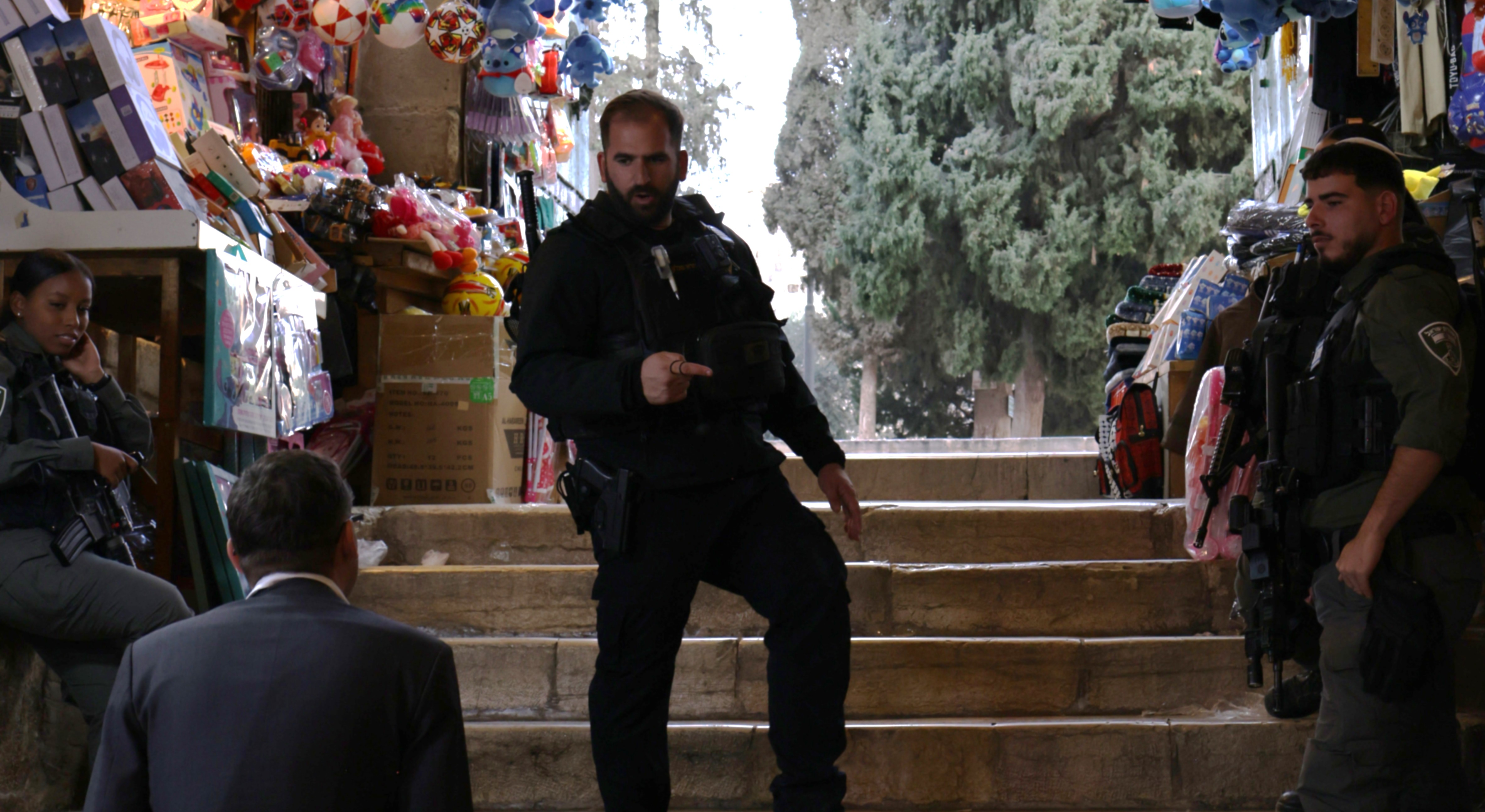
But what happens when the status quo itself becomes the source of disorder?
This is the question no one wants to ask.
Every few weeks, Palestinian media like WAFA warns that “the Al Aqsa Mosque is in danger” from “radical settlers.” The phrase has become ritualized, almost liturgical in Palestinian political culture. A Jew walking quietly on the Mount becomes a provocation. A Jew moving his lips in silent prayer becomes an assault. A Jew bowing his head becomes a threat to Islam itself.
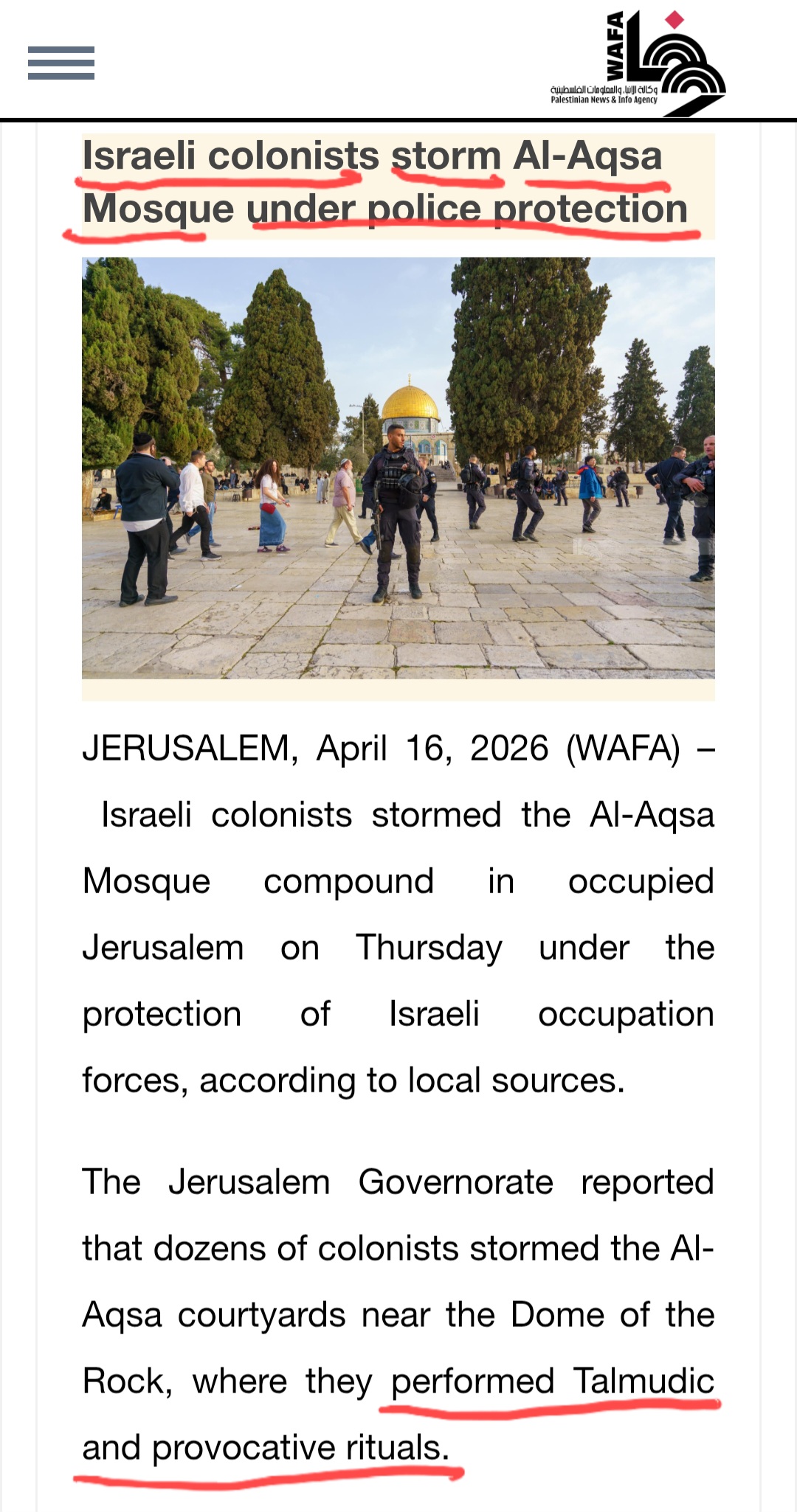
That rhetoric has had a practical effect. It has transformed Jewish prayer into a public order problem.
But there is another side to this equation.
What if the continued suppression of Jewish prayer is itself becoming a generator of instability? What if the status quo, designed to contain conflict, has begun producing it?
A legal order built to preserve peace cannot become a machine for preserving grievance.
Under the British Mandate, the answer is surprisingly clear. Article 13 protects “existing rights,” but only while ensuring public order. That means the status quo is protected only insofar as it serves order. If preserving inherited arrangements creates recurring confrontation, the law and history allows recalibration.
That was the hidden flexibility in the Mandate and ongoing governing principle. Status quo is presumptive; order is mandatory.
Oslo is even more direct, though in a different way. Oslo does not sanctify the Temple Mount arrangement. It simply leaves it in place while preserving Israeli security. That means if Israeli authorities conclude that the present arrangement itself is a long term security risk, they possess the legal architecture to modify access, prayer rules, and crowd management.

The irony is brutal.
For decades the legal doctrine has been used to suppress Jewish prayer because Muslim violence was threatened. But if that suppression itself produces radicalization, frustration, and growing confrontation, the same legal doctrine could justify expanding Jewish prayer in order to restore order.
The law cuts both ways.
“The status quo” sounds ancient and immovable. In truth it is neither. It is a management system. And management systems are judged by outcomes.
If a system preserves peace, it earns its legitimacy. If a system preserves resentment and recurrent crisis, its legal rationale weakens.
The day may soon be arriving that structured, regulated Jewish prayer may become the stabilizing mechanism rather than the destabilizing one.
A designated time. A designated place. A formalized right.
The central legal truth of the Temple Mount has always been misunderstood. The governing principle was never the status quo itself. The governing principle was order.

 First One Through