
In a sharp escalation of transatlantic tension, Donald Trump threatened to cut off trade with Spain, accusing Madrid of refusing to support operations against Iran and failing to meet its defense obligations within NATO.
Spain rejected the criticism, citing sovereignty and international law and refusing to allow U.S. forces to use Spanish bases in operations tied to the Iran conflict.
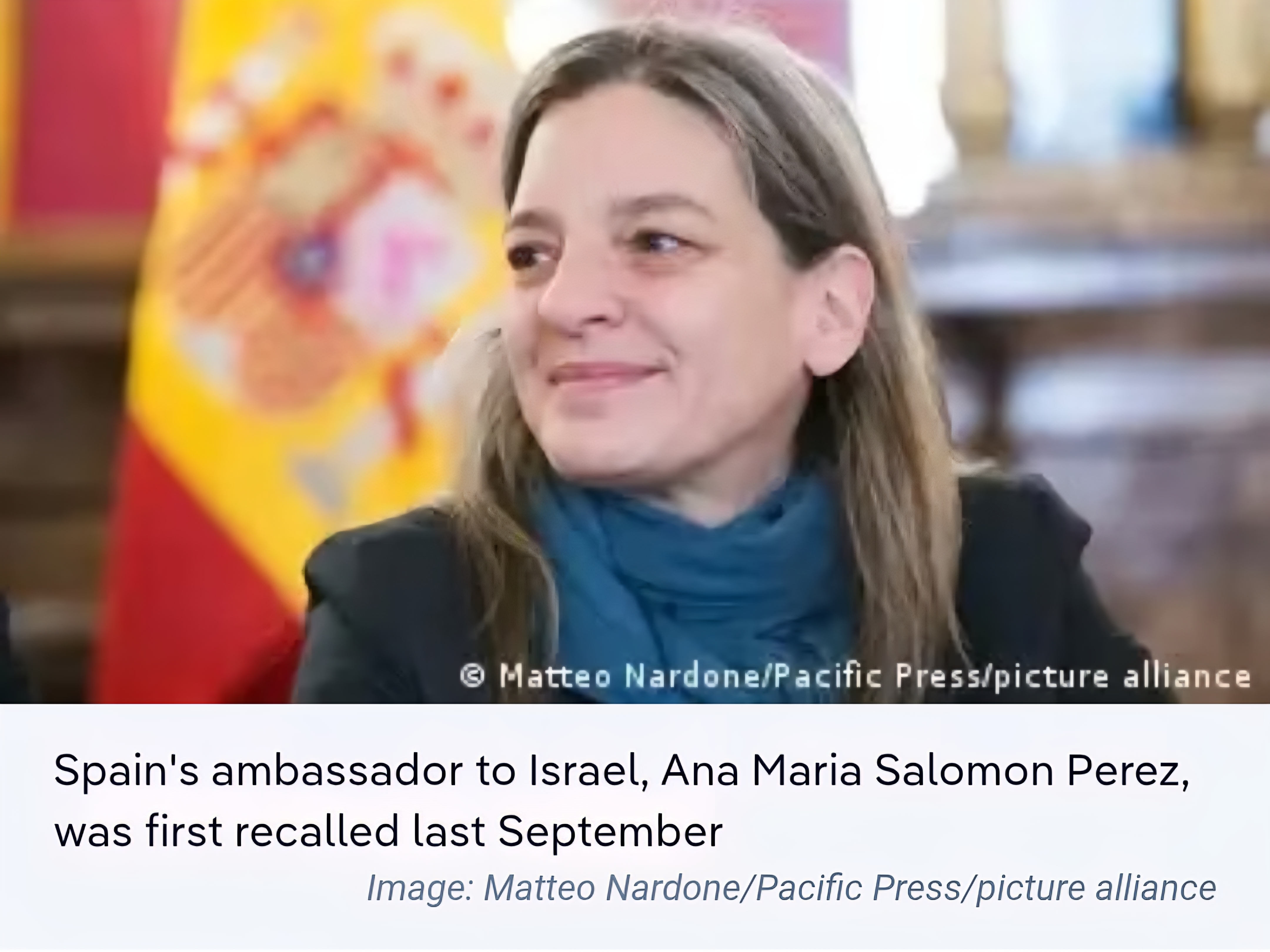
Yet at the same time Madrid made a different diplomatic move. Spain permanently withdrew its ambassador from Israel, citing the widening regional war.
The contrast is striking.
The military campaign against Iran has been led by the United States, with Israel acting alongside it. If participation in that conflict justified downgrading diplomatic relations, the same logic would apply first to Washington, yet Spain withdrew no ambassador from the United States.
Even after Trump threatened sweeping trade retaliation, Madrid left its diplomatic posture toward Washington unchanged.
Instead, the rupture fell on Israel alone.
The reason is not difficult to see. Confronting the United States carries consequences. The American economy dwarfs Spain’s, and Washington anchors the NATO security system protecting Europe. Spain benefits from that umbrella while contributing among the lowest shares of national income to defense within the alliance.
Angering Washington carries risk. Angering Israel carries almost none.
Spain frames its decision as moral protest. But if war with Iran is the offense, the United States leads it. If regional escalation is the concern, Spain still maintains diplomatic relations with Iran itself, the leading state sponsor of terrorism.
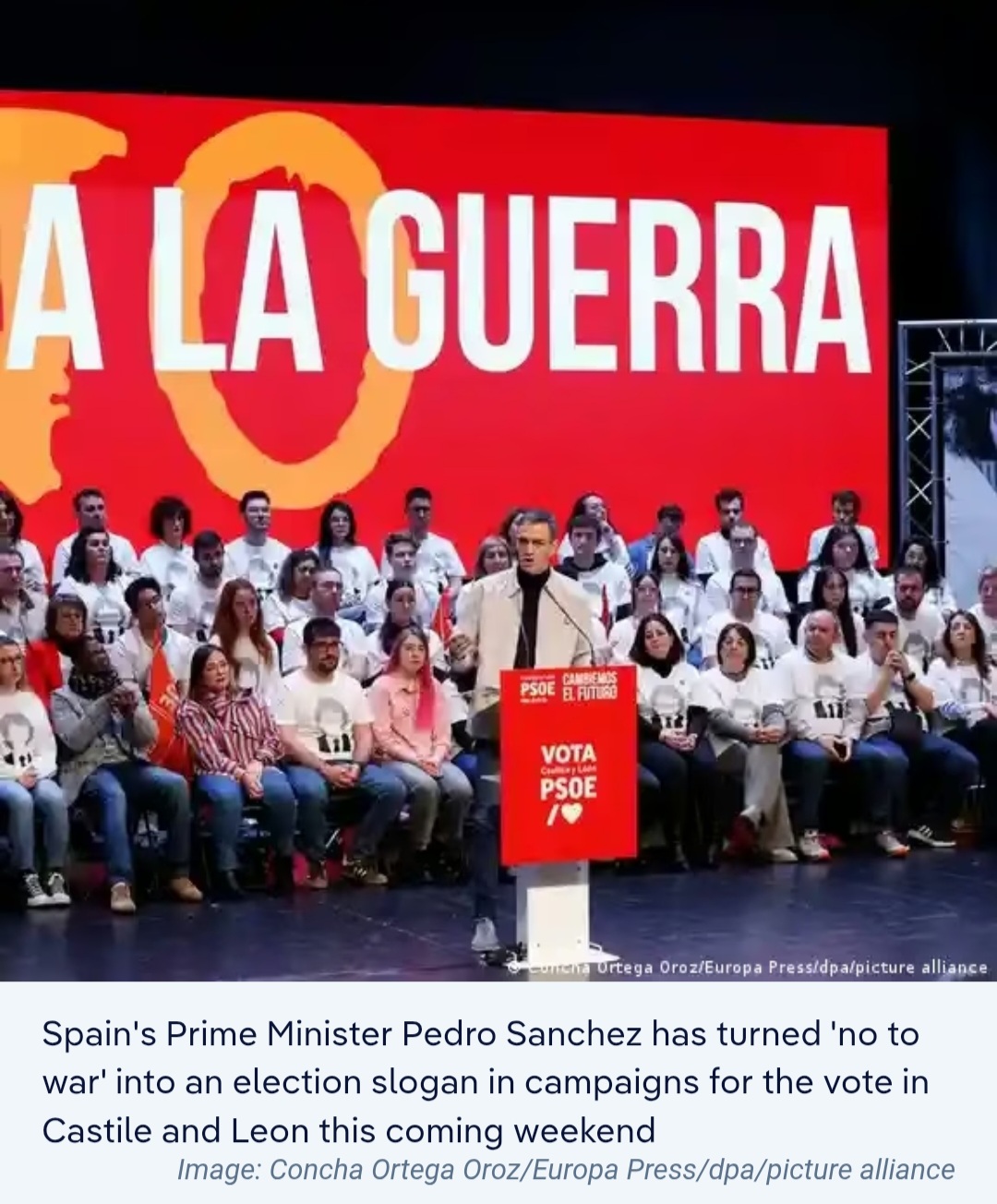
If Spain were to look in the mirror, what would it see? A principled stand against war? That is the language Madrid uses.
But the reflection suggests something else. Spain keeps its ambassador in Washington, maintains relations with Tehran, and breaks with Jerusalem — the smallest actor in the conflict.
Spain is a nation of nearly fifty million compared to Israel, a country of ten million, a small state surrounded by hundreds of millions of Muslims where hostility toward Israel goes back to the Jewish State’s reestablishment.
That asymmetry will not go unnoticed in Washington or among Israel’s allies. Spain already faces pressure to increase its NATO defense spending. If Madrid is willing to rupture relations with Israel over the Iran war while maintaining relations with Iran itself, the contradiction may soon move from rhetoric to diplomacy.
The question could become blunt:
restore normal relations with Israel, end trade with Iran, and meet NATO defense commitments — or risk losing the security umbrella Spain depends on.
A nation looking honestly in the mirror might call that geopolitics. Or antisemitism.

 First One Through
Pingback: The Mirror Nations Refuse to Face | First One Through