
In Biblical times, wells were beacons of life. To dig and find water was to unlock the possibility of home and permanence. Water fed crops and cattle; it drew families and trade; it birthed cities. Wells were light in the desert.
But not every hole in the ground was a well. Some were empty pits, barren of water and purpose. They became places of danger—sites where wanderers fell or where enemies cast prisoners to languish. Wells meant sustenance, while pits meant despair.
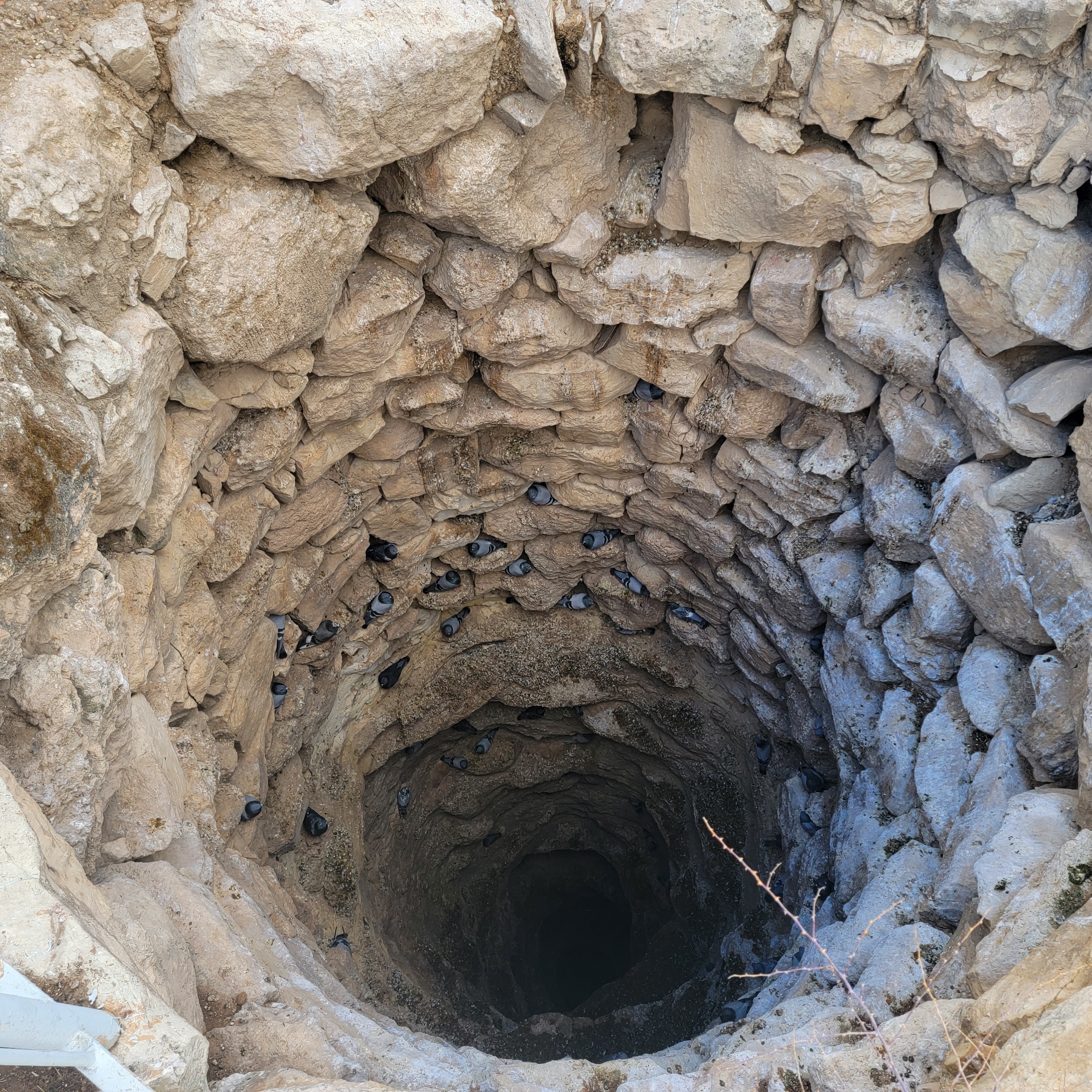
Today, the search for peace in the Middle East feels much the same. Those who find the right spring, like the signatories of the Abraham Accords, discover flourishing opportunities for coexistence. New ties of trade, technology, and tourism have watered once-barren fields.
But failed efforts—like the Oslo Accords—are pits. They began with hope, but quickly turned treacherous. The optimism of 1993 was buried under the violence of the Second Intifada (2000–2004) and has been further extinguished by the ongoing Gazan War since 2023. What was meant to be a well has become a hazard, a pit in the sand that swallows the unsuspecting. Like any abandoned well, it should be filled in and covered, not revisited.
The digging was not in vain; the effort was noble. But it is time to recognize Oslo for what it became—a failed blueprint. A peace process crafted with antisemitic design that insisted Jews may not live in a Palestinian state or pray at their holiest site in Jerusalem, while promising a false faith that millions of Arabs would be welcomed into Israel, is not a formula for life. It is an unbalanced design destined for collapse.
And the Philistines stopped up all the wells which his father’s servants had dug in the days of his father Abraham, filling them with earth. (Genesis 26:15)
A new well must be dug with clear foundations:
- A State of Palestine where millions of Arab “refugees” can live—but not in Israel.
- A Palestine that allows Jews to live there, just as Arabs live in Israel.
- A Jerusalem under Israeli sovereignty, open to all religions for access and worship.
Only once these parameters are accepted can the finer details of peace be discussed. Until then, the Oslo pit must be buried beneath the sand, its lessons remembered but its structure abandoned. The new effort can be called the Isaac Accords, to reflect the promise of wells of peace and abundance for everyone.
Isaac dug anew the wells which had been dug in the days of his father Abraham and which the Philistines had stopped up after Abraham’s death; and he gave them the same names that his father had given them. (Genesis 26:18)
Wells give life. Pits destroy. The task before us is to dig with the knowledge of past failures and not let ignorant hope set our shovels.

 First One Through