From Cain and Abel to the Third Anniversary of October 7
The first murder in the Bible takes place in the fourth chapter of Genesis. Cain kills his brother Abel, and God asks him a simple question: “Where is Abel your brother?”
God already knows the answer. The question gives Cain an opportunity to acknowledge his crime. Instead, Cain replies, “I do not know. Am I my brother’s keeper?”
With those words, the first murderer in human history also becomes the first to attempt to redirect the narrative away from his victim. God asks about Abel. Cain makes the conversation about himself, challenging the very notion that he bears responsibility for his brother.
God refuses to follow him.
“What have you done? The voice of your brother’s blood cries out to Me from the ground.”
Abel is dead. He cannot describe his suffering, challenge Cain’s account, or defend his memory. Cain remains alive, free to explain himself and change the subject. But God insists that the victim’s blood speaks louder than the murderer’s words.
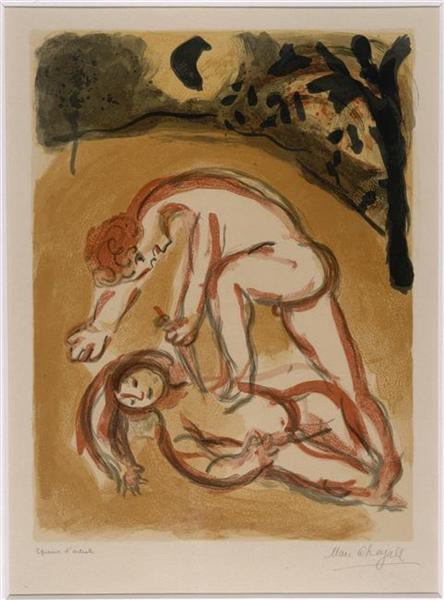
There is an extraordinary detail in the Hebrew. God refers to demei achikha, literally “your brother’s bloods,” in the plural. Rashi, drawing on rabbinic tradition, explains that the words encompass Abel’s blood and the blood of all his descendants who would never be born.
The first murder extinguished generations of possibilities. Children, grandchildren, families, and entire futures disappeared with Abel.
Combine these two ideas – the living control the narrative and the dead include generations – and one can see that the murderer will attempt to frame history for all time.
These opening chapters of Genesis offer a striking perspective on the third anniversary of the October 7 massacre.
On October 7, 2023, Hamas terrorists invaded Israel, murdered 1,195 people, and abducted 251 hostages. Families were slaughtered in their homes, young people were murdered at a music festival, and entire communities were devastated.
Three years later, the struggle over how to commemorate the massacre has become a struggle over whose story is being told.
New York City Mayor Zohran Mamdani acknowledged the Hamas killings in his anniversary statement before shifting substantial attention to Israel’s subsequent military campaign and Palestinian suffering. Several leading democratic politicians did the same.
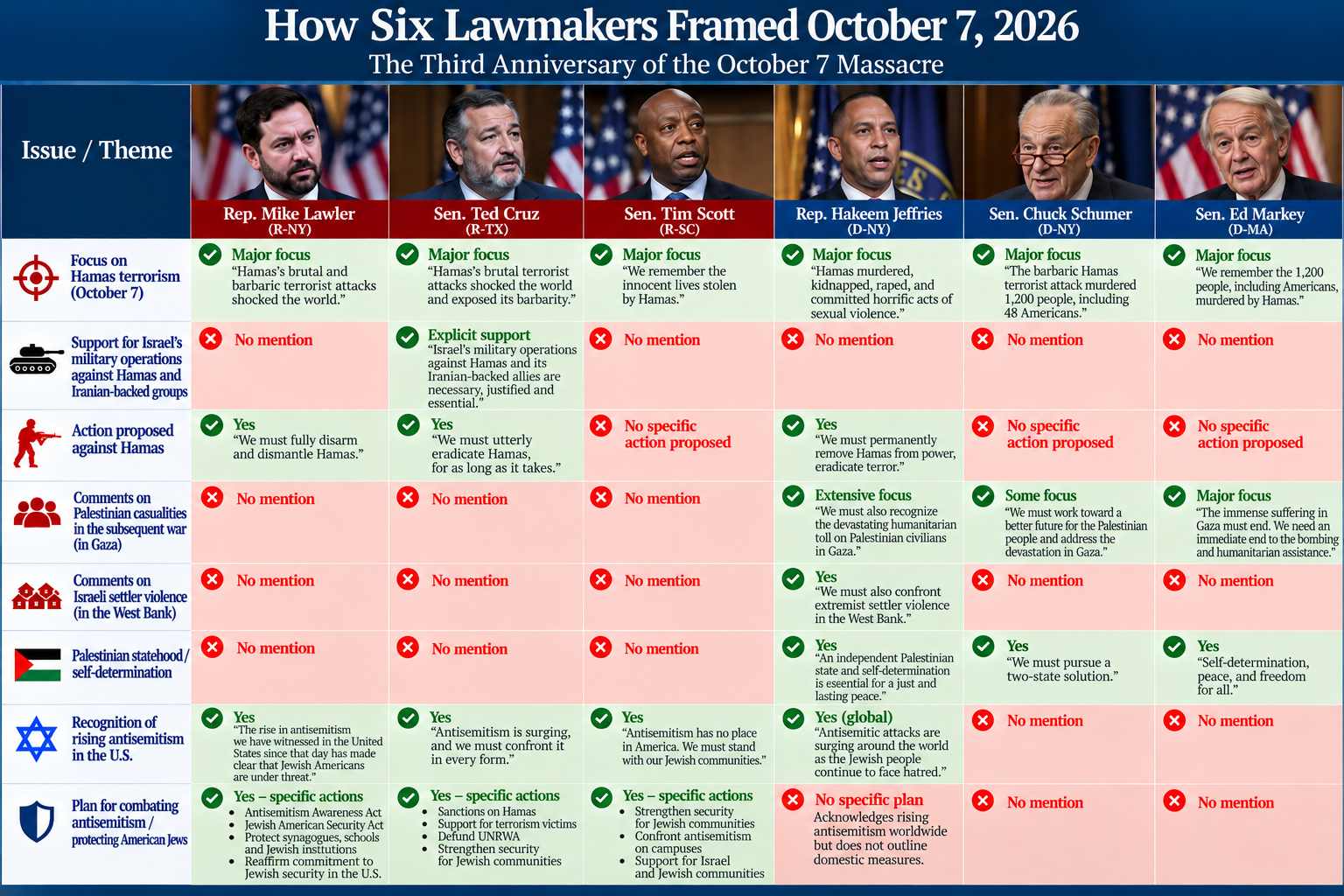
And just two days after the October 7 massacre anniversary, the Nobel Peace Prize was awarded to the United Nations’ Navi Pillay, the woman who helped spread the genocide libel about Israel’s defensive war against jihadi terrorists. Seen together, the world is establishing the narrative that will prevail into the future, where the Bibas babies’ descendants who will never be born, will not be able to counter the charge.

Cain asks, “Am I my brother’s keeper?” as a diversionary tactic to invert the subject.
God never answers that question directly. Instead, He demands, “What have you done?”
Three years after October 7, the United Nations and too many politicians have learned to answer questions about the murdered by changing the subject.


