
Religious liberty is not complicated. It does not require panels, frameworks, or warnings about artificial intelligence. It requires clarity.
The right to choose your faith.
The right to practice it as you see fit.
The right to pray openly, in your way, at your holy places.
The right to walk away from it—without fear, without punishment, without death.
This is not a modern reinterpretation. It is the original standard.
In 1948, in the aftermath of a world war that exposed the catastrophic consequences of state control over belief and identity, the United Nations adopted the Universal Declaration of Human Rights. At its core sat Article 18, crafted with precision that set religious freedom as a benchmark of human rights.
“Everyone has the right to freedom of thought, conscience and religion; this right includes freedom to change his religion or belief, and freedom, either alone or in community with others and in public or private, to manifest his religion or belief in teaching, practice, worship and observance.” – UN Declaration of Human Rights, Article 18
Change it. Practice it. Live it.
That was the UN at its founding: defining principles meant to bind nations, not accommodate them.
That is not the UN on display today.
When the Secretary-General recently addressed a conference on religious liberty on March 24, 2026, the words sounded familiar. Religious freedom was a “cornerstone of human dignity.” And then the center shifted—toward global pressures, social cohesion, artificial intelligence.
Artificial intelligence?
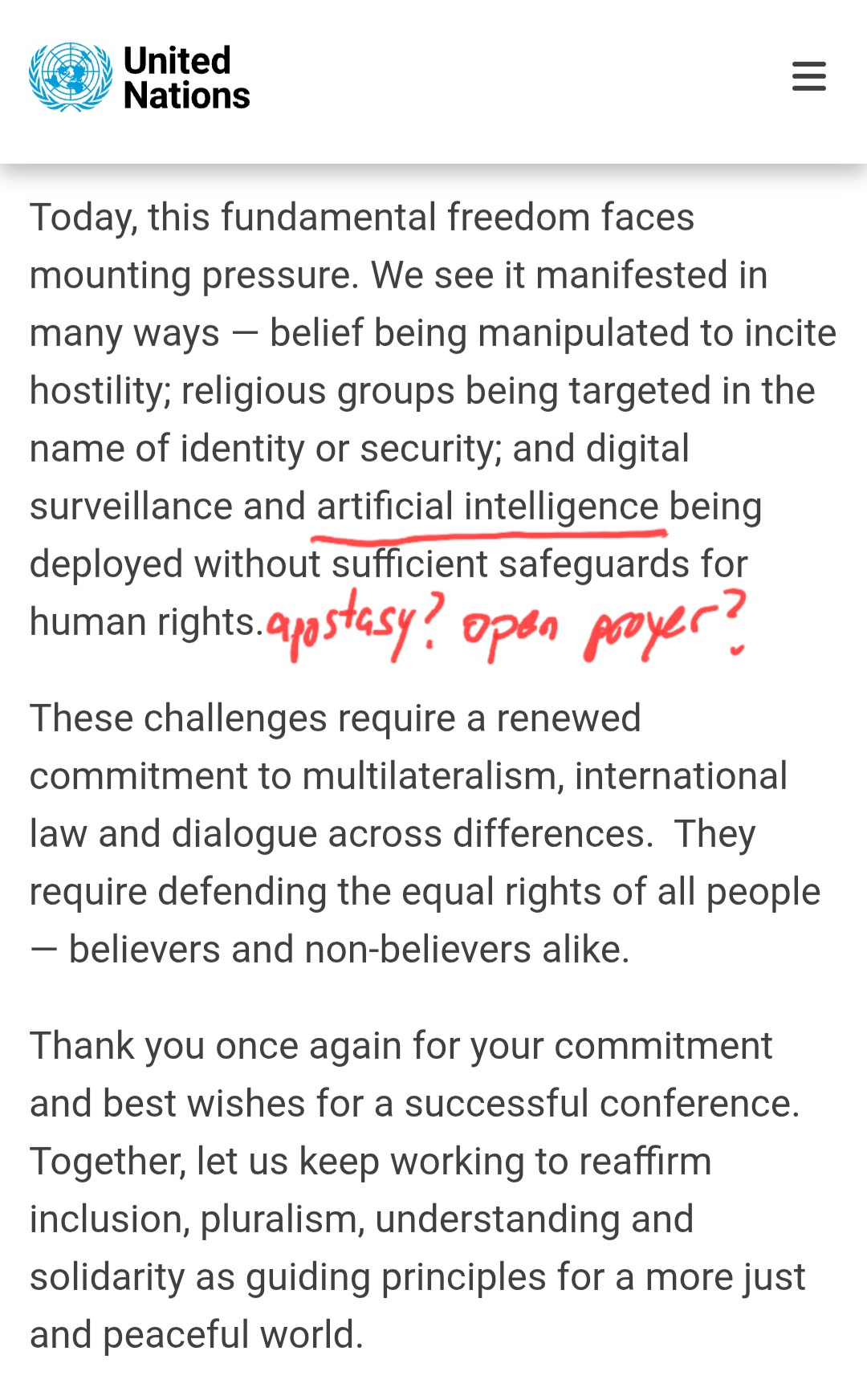
If the speech had stayed anchored to Article 18, the omissions would have been impossible to ignore: apostasy treated as a crime, in some places a capital one; the right to convert denied in law; and access to holy sites restricted where it is most visible and most contested, to Jews on the Temple Mount in Jerusalem.
These are not edge cases. They are direct contradictions of the standard set in 1948.
They went unmentioned.
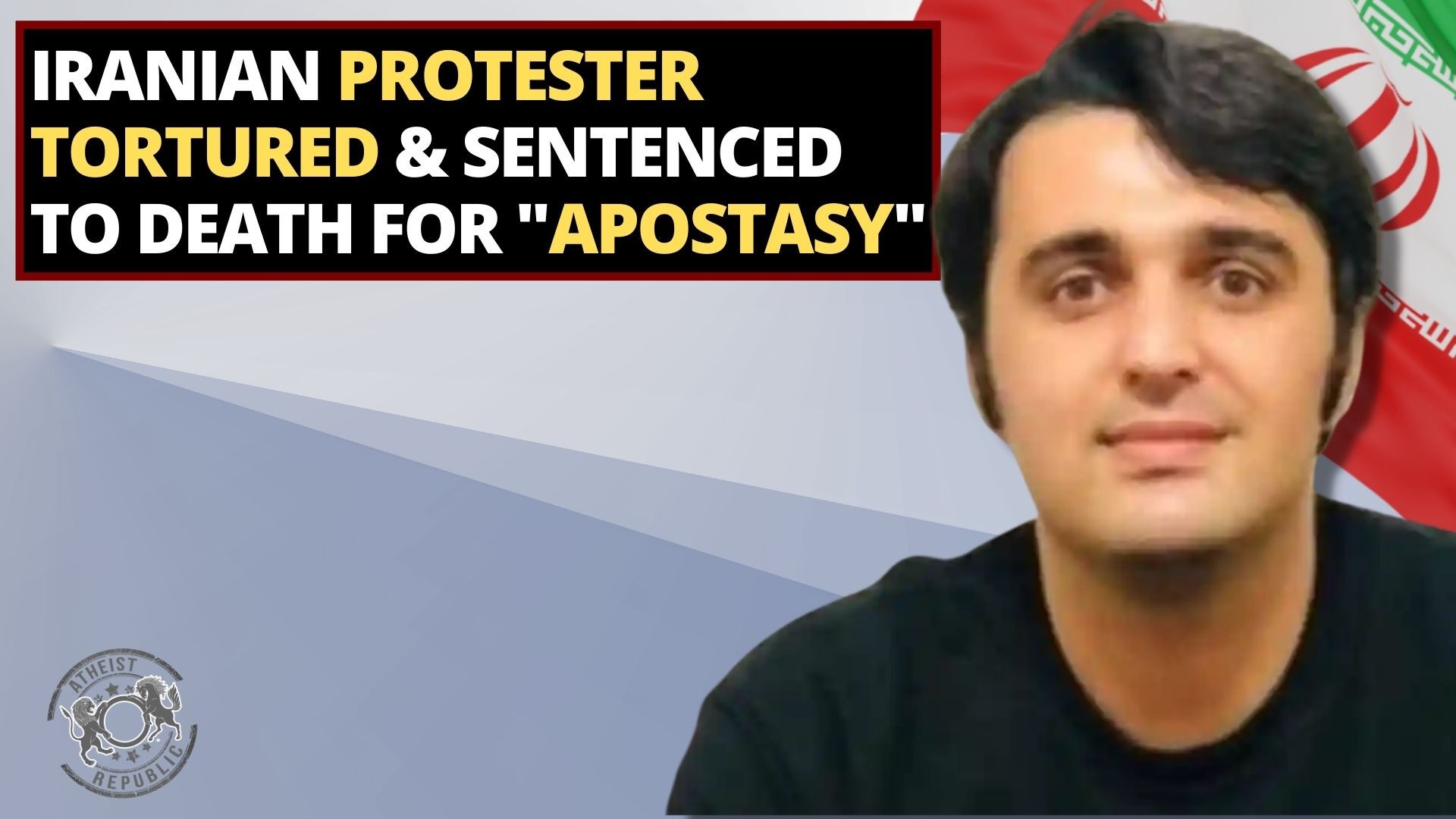
The reason is not subtle. The United Nations that wrote Article 18 was asserting principle in the shadow of catastrophe. The United Nations that speaks today operates at the consent and behest of large voting blocs. Many of those blocs come from the Global South, including dozens of Muslim-majority states that reject the core of Article 18 where it matters most: the right to change religion and the expectation that religious access should be reciprocal.
Within that reality, the boundaries of acceptable language narrow.
No mention of apostasy laws.
No mention of capital punishment for conversion.
No mention of restricted prayer where it cuts closest to the principle.
So the language adapts. The sharp edges of Article 18 are rounded into generalities that everyone can endorse, including those who, in practice, deny them. The result is a version of “religious liberty” that survives as rhetoric while its substance is negotiated away.
This is not an evolution of human rights. It is a retreat from them.
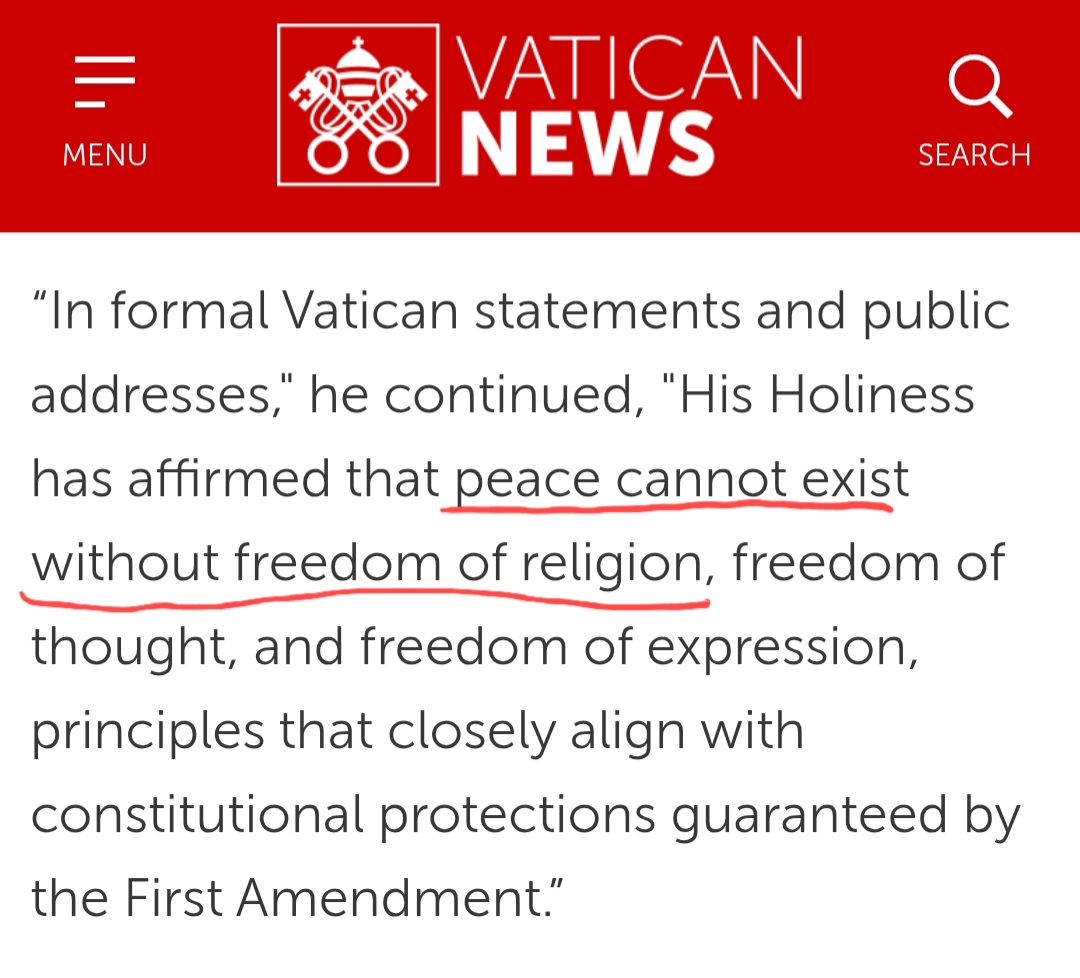
The United Nations once set a standard that stood above politics. Today, it reflects the ugly politics of those who sit within it. And as the Pope will tell you, there can be no peace without religious liberty. Ergo, the UN has become one of the primary sources of discord and violence in the world today.
#IslamicSupremacy

 First One Through