In 2022, the United Nations created the International Day to Combat Islamophobia, observed each year on March 15.
The date commemorates the victims of the Christchurch mosque shootings in New Zealand, where worshippers were murdered during a terrorist attack in 2019.
Hatred directed at any religious community deserves condemnation. But the decision raises an uncomfortable question: why is Islam the only religion granted a dedicated global day to combat hatred?
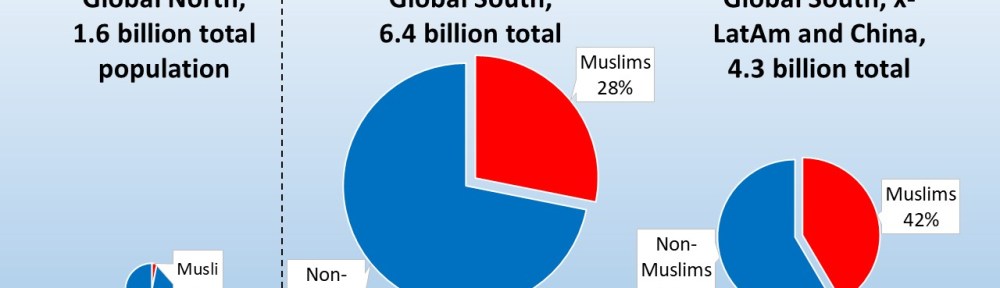
Islam is hardly a marginal faith. With roughly two billion followers, it is one of the largest and fastest-growing religions in the world and the majority religion across dozens of countries stretching from North Africa through the Middle East and into Asia. Within the UN itself it is represented by a powerful diplomatic coalition, the Organization of Islamic Cooperation, a bloc of 57 states that frequently coordinates its positions inside the General Assembly.
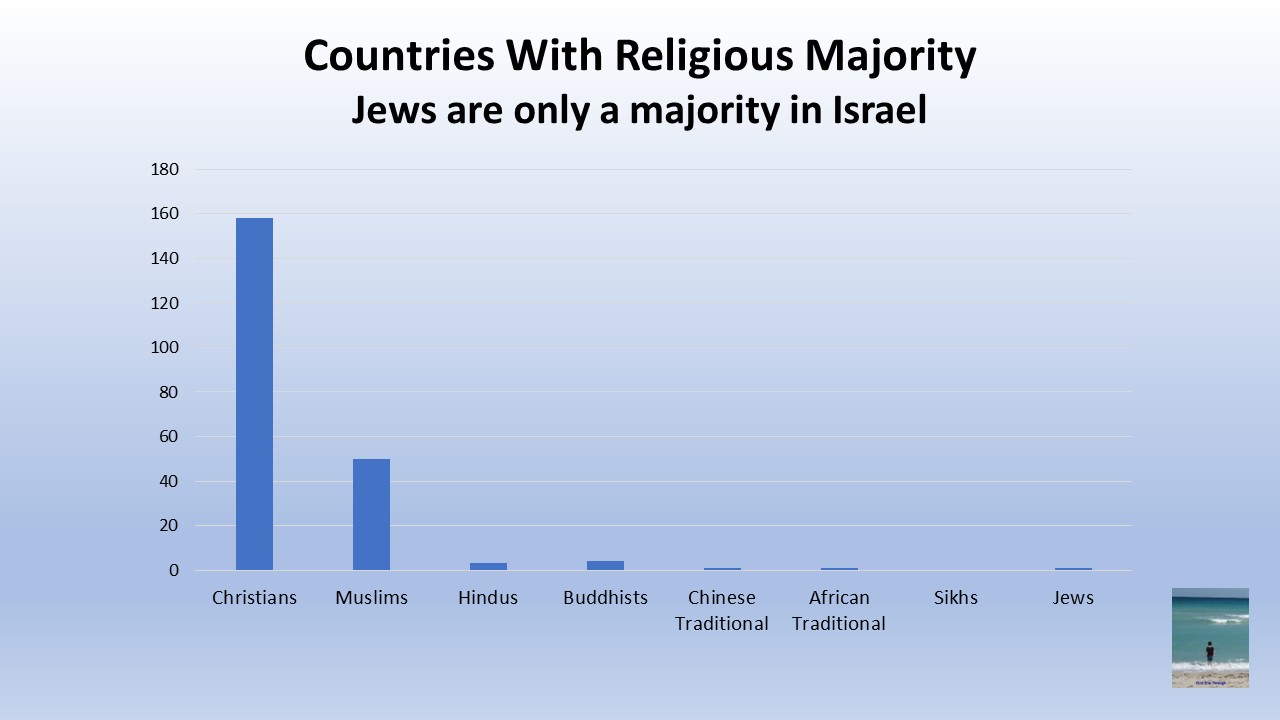
Yet Islam is the only religion singled out for a specific UN observance addressing prejudice against its followers.
Other religious communities facing persistent hatred receive no comparable recognition.
There is no UN day dedicated specifically to combating antisemitism today, despite the fact that Jews are the most frequently targeted religious minorities per capita in many countries. While the UN does observe International Holocaust Remembrance Day each January to commemorate the genocide of Jews during The Holocaust, that observance focuses on crimes committed eighty years ago. There is no equivalent UN day focused on antisemitism in the present.
Nor is there an observance addressing anti-Christian persecution, even though research by organizations such as Open Doors and studies by Pew Research Center consistently show that Christians face some of the largest levels of religious persecution globally in absolute numbers.
The UN does maintain a broader commemoration—the International Day Commemorating Victims of Acts of Violence Based on Religion or Belief—but that observance focuses on victims after violence occurs, not on confronting the ideologies that fuel it.
Except in one case: Islam.
The religion which dominates the countries where Christians are most persecuted, including: Somalia, Libya, Eritrea, Yemen, Nigeria, Pakistan, Sudan and Iran.
Violence the UN Does Not Mark
The choice of March 15 highlights another inconsistency.
Deadly attacks on synagogues have occurred repeatedly in recent years.
In 2018, eleven Jews were murdered in the Pittsburgh synagogue shooting at the Tree of Life synagogue, the deadliest antisemitic attack in American history. In Germany, a terrorist attempted to massacre Jews during Yom Kippur in the Halle synagogue shooting.
And in October 2025, a Jewish man was fatally stabbed outside a synagogue in Manchester, England, in an attack carried out on Yom Kippur, the holiest day in Judaism, when Jews gather in synagogues around the world for prayer and reflection.
Synagogues across Europe and North America have repeatedly been targets of shootings, stabbings, and attempted massacres.
Yet no comparable United Nations observance exists dedicated specifically to combating antisemitism tied to those attacks.
If the UN can create a global day tied to violence against mosques, why has it never created one tied to attacks on synagogues?
Politics Behind the Principle
The explanation lies less in theology than in politics.
For decades the powerful Organization of Islamic Cooperation has used its diplomatic weight to advance religious protection initiatives inside the UN system. Beginning in the late 1990s, the bloc pushed resolutions condemning what it called the “defamation of religions,” efforts widely understood as attempts to restrict criticism of Islam.
Western democracies resisted those proposals on free-speech grounds, and by around 2010 the campaign stalled.
So the strategy evolved.
Instead of defending religion from criticism, the focus shifted toward defending believers from discrimination under the banner of Islamophobia.
Opposing the initiative could now be portrayed as defending prejudice against Muslims, even if the broader debate still involved questions of speech, ideology, and religious critique.
In 2022 the effort succeeded with the creation of the UN’s International Day to Combat Islamophobia.
When Institutions Reflect Power
The episode reveals something fundamental about how the modern UN operates.
The organization does not function as a neutral body weighing global injustices. It functions as a political arena shaped by large voting blocs.
In the General Assembly—where every state has one vote regardless of size or political system—coordinated coalitions wield enormous influence. The 57 countries of the Organization of Islamic Cooperation represent a significant force in that system, often aligned with broader coalitions such as the Non-Aligned Movement.

Together these alliances can shape the symbolic agenda of the institution. They determine what the United Nations chooses to highlight and what it chooses not to see.
A Test of Moral Consistency
The United Nations was founded after World War II to defend universal human rights. But institutions derive legitimacy not only from their ideals, but from their consistency.
When some hatreds receive global recognition, others historical remembrance, and still others little acknowledgement at all, the institution begins to reflect political influence more than universal principle.
Combating religious hatred is a noble goal. But when that effort becomes selective, it reveals the farce and the forces controlling the United Nations.

 First One Through
Pingback: Die UNO räumt der „Islamophobie“ Vorrang vor jeglicher sonstiger religiöser Verfolgung ein. | abseits vom mainstream - heplev