
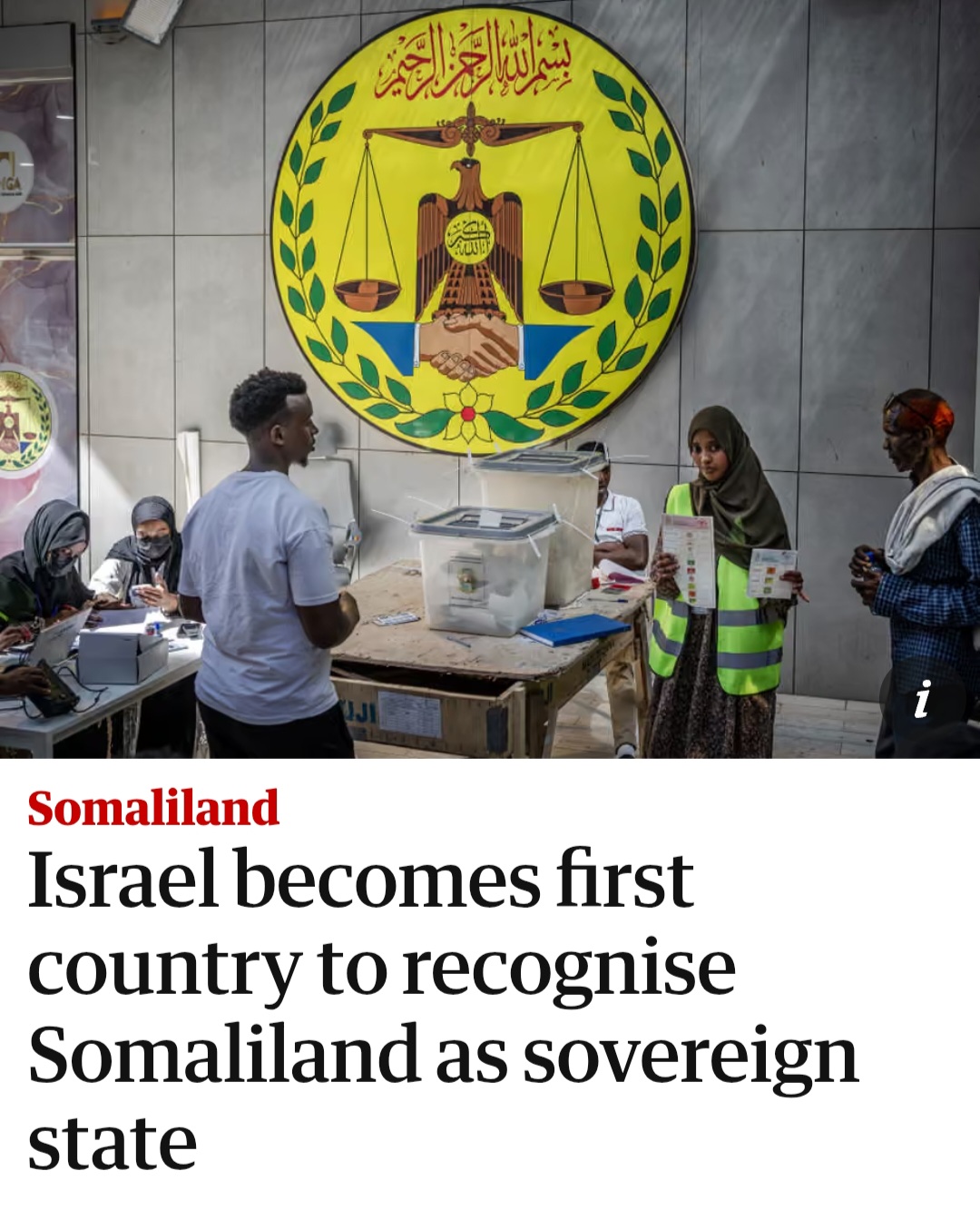
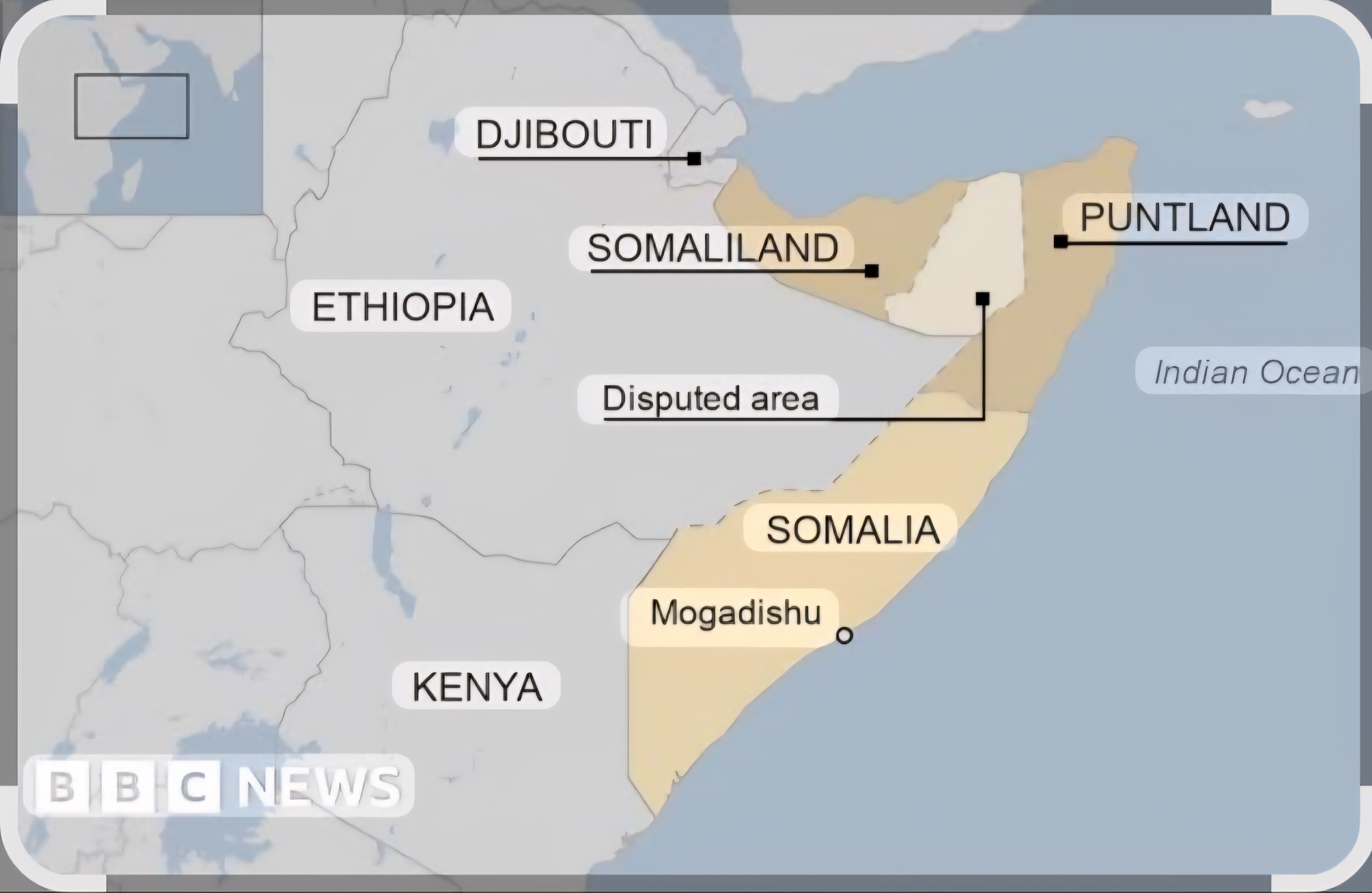
A funny thing happened as Somalia assumed the rotating presidency of the United Nations Security Council in January 2026: Israel recognized a breakaway republic, Somaliland. The timing was rich.
Somalia’s presidency of the most powerful UN body exposed rank hypocrisy: formal recognition divorced from reality. Somalia is treated as a sovereign authority – one given prestige – while it has spent nearly twenty years losing a war to Al-Shabab, an Al-Qaeda–aligned movement that taxes civilians, runs courts, controls territory, and carries out mass-casualty attacks with impunity. International troops prop the state up while Somalia’s sovereignty is tenuous.
The failure is not abstract. Somalia’s collapse has repeatedly spilled beyond its borders—most visibly through maritime piracy in the Gulf of Aden, which for years threatened global shipping lanes, energy supply chains, and food security. Still, a state unable to police its own coastline now presides over the world’s security council. That alone tells you how hollow the United Nations has become.
Somaliland, by contrast, has done the unglamorous work of statehood since 1991: defined borders, elections, peaceful transfers of power, its own currency, police, and a monopoly on force. It meets the Montevideo criteria in substance, not just in name. Yet it remains unrecognized—because recognition at the UN is political, not factual.
Now layer “Palestine” onto this picture—and the farce deepens.
Somalia is a failed state struggling against jihadists. Gaza is a jihadist state in its own right. Since 2007, Hamas has governed Gaza fully and openly. Hamas controls schools, mosques, courts, welfare, media, police, and an army fused into one ideological machine. International aid does not shore up weakness; it subsidizes jihadist rule—tunnels instead of homes, rockets instead of infrastructure, civilians embedded into military doctrine.
Here is the moral inversion the UN refuses to confront:
- Somalia fails to defeat Al-Shabab and is pitied. Gaza chooses Hamas and is excused.
- Somaliland governs itself responsibly and is ignored. Israel defends itself against a jihadist regime and is condemned.
The recognition asymmetry makes this starker still. In September 2025, the United Kingdom, Canada, and Australia moved decisively toward recognizing “Palestine”—despite the absence of defined borders, unified governance, or a monopoly on violence, and despite Gaza being ruled by a designated terrorist organization. Meanwhile, Somaliland—stable, democratic, and self-policing for more than three decades—remains outside the diplomatic club. The message is unmistakable: symbolism is rewarded; governance is not.
When that contradiction became too visible to ignore, the talking points shift. Accusations – by Somalia, amplified by Qatar (Hamas’s principle sponsor) – are being made that Israel intends to “relocate Gazans to Somaliland.” The claim is complete fabrication, an attempt at damage control—a smear designed to redirect attention away from the exposed hypocrisy. By turning Somaliland into a prop in an imaginary Israeli scheme, critics attempt to avoid the harder question: why a functioning African democracy is denied recognition while jihadist-run entities are indulged.
That reality was never lost on U.S. President Donald Trump. His view of Somalia is blunt: a failed state exporting instability, relevant to the United States only as a counter-terrorism battlefield. His administration treats Somalia as territory unable to govern itself or suppress Al-Shabab. In that sense, Trump is more honest than the UN: he acknowledges failure, while the UN performs credibility rituals by handing Somalia the gavel of global security.
No one claims Al-Shabab represents Somali aspirations. Yet Hamas—whose antisemitic charter sanctifies genocide and whose strategy relies on civilian death—is routinely separated from the consequences of its rule and reframed as “resistance.” Somalia’s inability to secure a monopoly on violence is acknowledged as a defect. Gaza’s total jihadist capture is rebranded as national self-determination.
This is why Israel’s recognition of Somaliland at this time matters. It is not merely diplomatic; it is diagnostic. It forces a comparison the UN would rather avoid:
- What actually constitutes a state?
- Who governs responsibly?
- Who controls violence—and who glorifies it?
The Security Council gavel in Somalia’s hand reveals the emptiness of UN moral authority. Gaza’s treatment—shielded from accountability despite being run by a designated terrorist organization—exposes complicity. Somaliland’s exclusion, despite three decades of stability, exposes cowardice.
Israel’s move did not break international norms. It exposed the rot.
Recognition, the episode made clear, is not about peace, governance, or security. It is about politics—and the willingness to look away when jihadist rule is useful to the narrative.

 First One Through