
The Torah moves from humanity’s failed attempt to make a name for itself at Babel to God’s promise to make Abraham’s name great. Between these two visions of greatness lies the foundation of Jewish peoplehood.
In last week’s portion, the people of Babel gather to build a great city and tower, united by a common language and ambition. They declare, “Let us make a name for ourselves” (Genesis 11:4). God disperses them across the earth, dividing humanity into different peoples and languages.
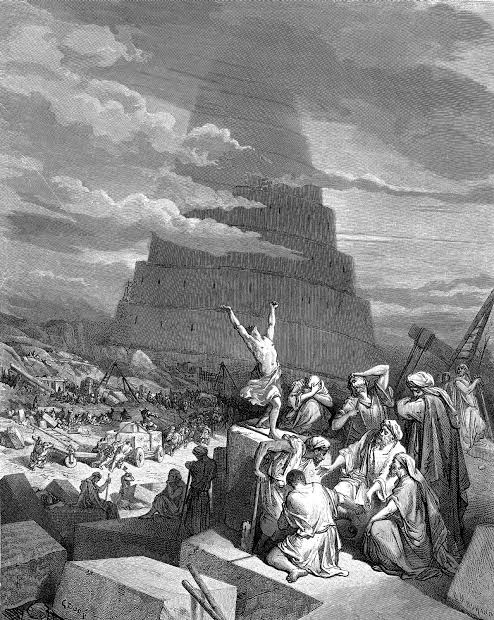
Immediately afterward, in this week’s portion, Lech Lecha (Genesis 12:1–17:27), God calls upon Abraham and promises, “I will make your name great” (Genesis 12:2). The same Hebrew word, shem, meaning “name,” connects the two stories. At Babel, humanity seeks greatness for itself. Abraham is promised greatness through a mission that will benefit others:
“And all the families of the earth shall be blessed through you” (Genesis 12:3).
That mission begins with a journey to a particular land. God commands Abraham to leave his birthplace and his father’s house and travel to the land that He will show him. Abraham journeys through Shechem, Bethel and Hebron, places that remain central to Jewish history nearly 4,000 years later. God promises the land to his descendants, establishing the foundations of Jewish peoplehood through geography, ancestry and covenant.
These foundations shape Jewish life across the centuries. The Jewish calendar follows the agricultural seasons of Israel, prayers turn toward Jerusalem, and the pilgrimage festivals call Jews to appear before God at the place of His choosing, ultimately Jerusalem. The land remains central to Jewish identity even during centuries of exile, preserved through ritual, language, memory and the longing to return.

The Torah presents a vision of humanity in which a particular people, rooted in a particular land and bound by a covenant, carries a mission extending to the entire world. Jewish distinctiveness becomes a source of universal blessing.
For thousands of years, Jews have carried this dual obligation: preserving their own peoplehood while contributing to the wider world. Yet today, Jews are increasingly told that acceptance into movements proclaiming universal justice requires abandoning their attachment to Israel. Jewish peoplehood is reduced to a religious preference, while the essential character of Judaism as a land-based religion is dismissed as a political invention. Even some Jews adopt this framework, treating the abandonment of Jewish national identity as evidence of moral enlightenment.
Lech Lecha teaches that Jewish identity and universal responsibility are intertwined. The covenant connects Jews to their ancestors, their land and one another, providing the foundation from which their obligations to humanity extend.
The Torah’s promise of blessing to all humanity begins with a particular people, a particular land and an enduring covenant. Those demanding that Jews surrender these foundations in the name of universal justice are asking them to abandon the very mission through which Abraham was called to bless the world. Their vision leads back to Babel: an impressive structure, a polished veneer of unity, and a common project built in defiance of God.


