
Three stories from three different parts of the world made headlines this week. Each involved intimidation, oppression or abuse by those exercising power. More revealing was how the institutions people counted on to defend human rights, international security and equality responded.
All have learned to accommodate the very behavior they condemn.
In Afghanistan, the Taliban’s radical Islamic regime continues its systematic subjugation of women. On October 8, the United Nations reported that at least 52 women and one girl had been detained for offenses including wearing makeup, colorful scarves, showing their hair or appearing in public without a male guardian. The UN also documented beatings, threats and verbal abuse.
The Taliban has already barred girls from secondary education, severely restricted women’s employment and imposed its interpretation of Islamic law on virtually every aspect of women’s lives. The religious fanatics who seized power in 2021 have turned Islamic supremacy into government policy.
The Taliban emerged from the ruins of the Soviet occupation and ultimately outlasted twenty years of American military intervention. Having watched the world’s two superpowers withdraw from Afghanistan, its leaders have little reason to fear another foreign intervention over their treatment of women. They can impose their radical Islamic ideology with near impunity. Afghan women pay the price. The UN documents the abuses, issues condemnations and appeals for change. The world shrugs.
In Iran, the world’s leading state sponsor of terrorism is using military force to threaten international commerce. Its Islamic Revolutionary Guard Corps has attacked commercial shipping through the Strait of Hormuz, disrupting global energy supplies and driving up prices. The radical Islamic regime has turned a vital international waterway into an instrument of coercion.
On October 8, President Donald Trump announced that the United States would refrain from attacking Iran before the November 3 congressional elections, citing productive negotiations. His administration tied military restraint to the American electoral calendar.
Iran has discovered another source of leverage: the political cost of confronting its aggression. Rising gasoline prices and an unpopular war have become liabilities for Republicans approaching the midterms. Tehran can calculate that continued disruption increases pressure on Washington to reach an accommodation.
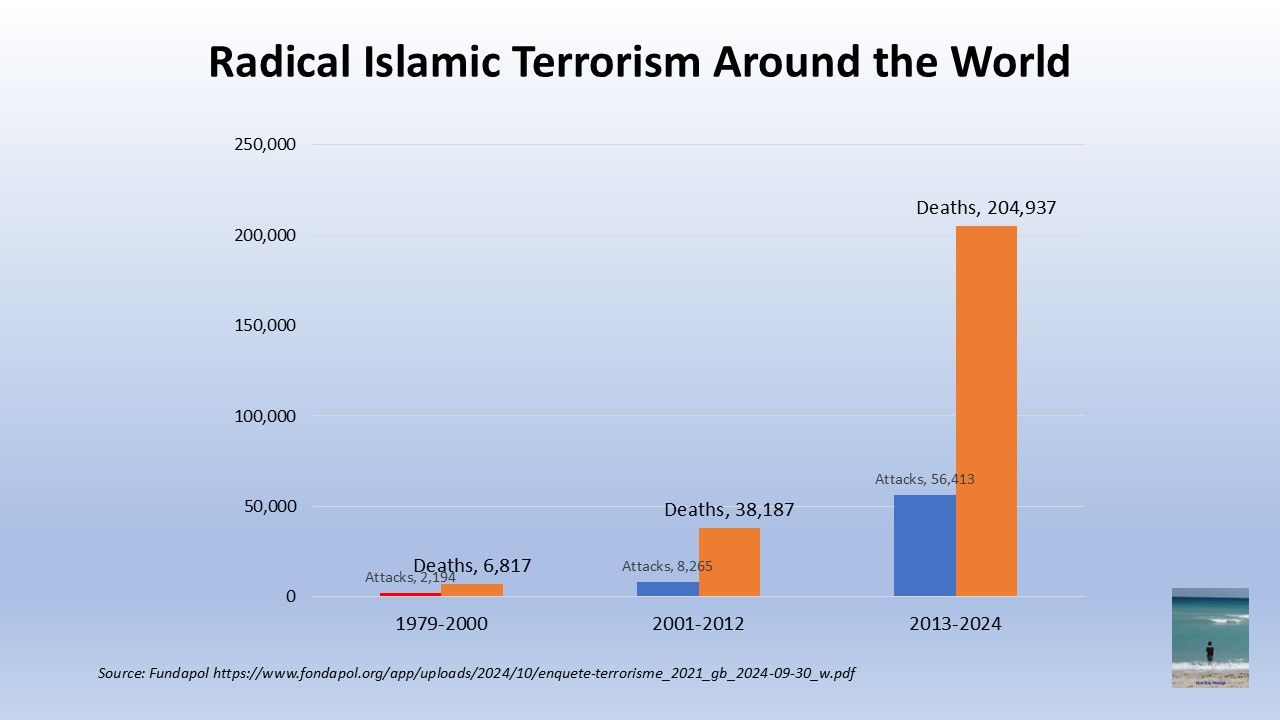
In Canada, 12 Jewish educators have filed human rights complaints against four Ontario school boards and two teachers’ unions, alleging antisemitic harassment, discrimination and retaliation.
Their complaints come amid a national surge in antisemitism. B’nai Brith Canada documented 6,800 antisemitic incidents in 2025, up 146% from 2022. Statistics Canada recorded 788 police-reported hate crimes targeting Jews that year, accounting for roughly 71% of religiously motivated hate crimes.
The teachers’ allegations include swastikas, Nazi references, intimidation and administrators failing to address complaints. The disputes also extend to Jewish educators discussing Zionism, displaying Israeli flags and posting appeals to bring home hostages abducted by Hamas. Two teachers allege heightened union scrutiny after teaching about Jewish identity and antisemitism, including instructions against using the International Holocaust Remembrance Alliance definition of antisemitism.
The complaints describe something more troubling than individual acts of hatred. They allege that institutions responsible for workplace protections tolerated harassment and, in some cases, turned against the people seeking protection. Jewish teachers must now pursue legal proceedings to obtain the protections their employers and unions were supposed to provide.
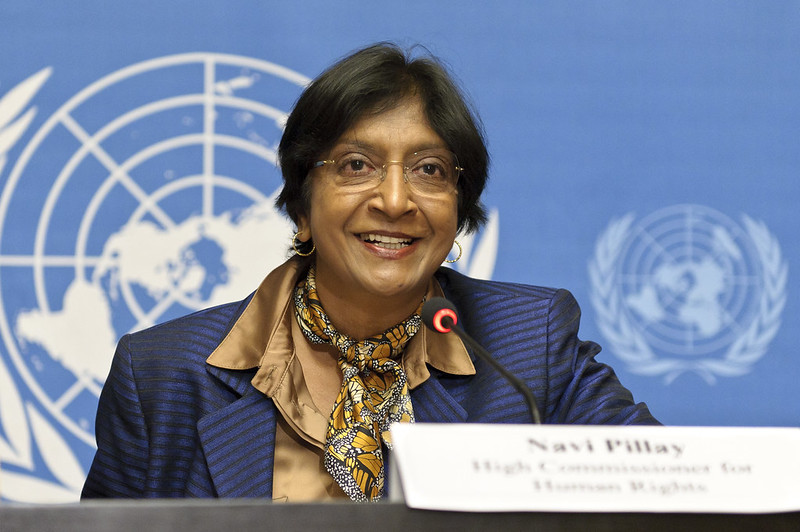
To cap this all off, Navi Pillay was just awarded the Noble Peace Prize. She has promoted the libel that Israel is committing a genocide against Gazans in its defensive war. The world has not only inverted victim and aggressor, innocence and evil, but has rewarded itself for doing so.
The lesson for those imposing their will is unmistakable. Persist long enough, inflict enough pain and make resistance sufficiently costly, and the world will eventually adjust. The victims must change their lives. The aggressors need only continue.
But accommodation does more than reward past abuses. It establishes a new baseline from which the aggressors can demand still more. Yesterday’s outrage becomes today’s accepted reality and tomorrow’s starting point for greater oppression.
The new normal does not merely tolerate evil. It creates the conditions for even greater evil.


