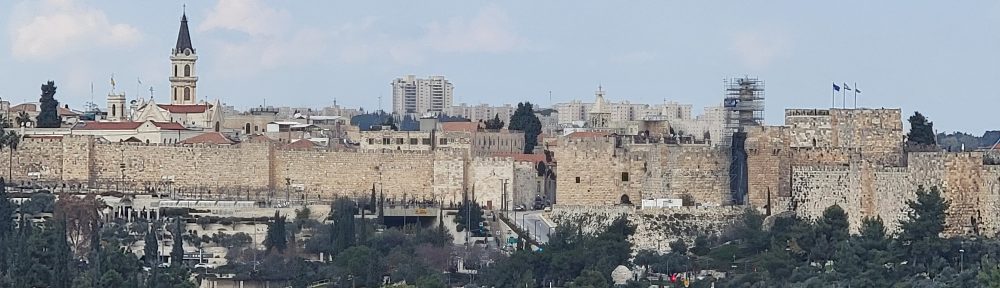
To walk the land of Israel is to feel stitched into the fabric of time. Every trail from Beersheva to the Galilee whispers of footsteps that appear in the Bible—not legends, but people who actually lived, planted, quarreled, dreamed, and prayed on this soil. The stones beneath one’s feet carry the gravity of memory. They seem fused to the foundation of the earth itself, like the Even haShtiyah—the legendary rock at the center of the Temple Mount from which creation is said to have sprung.
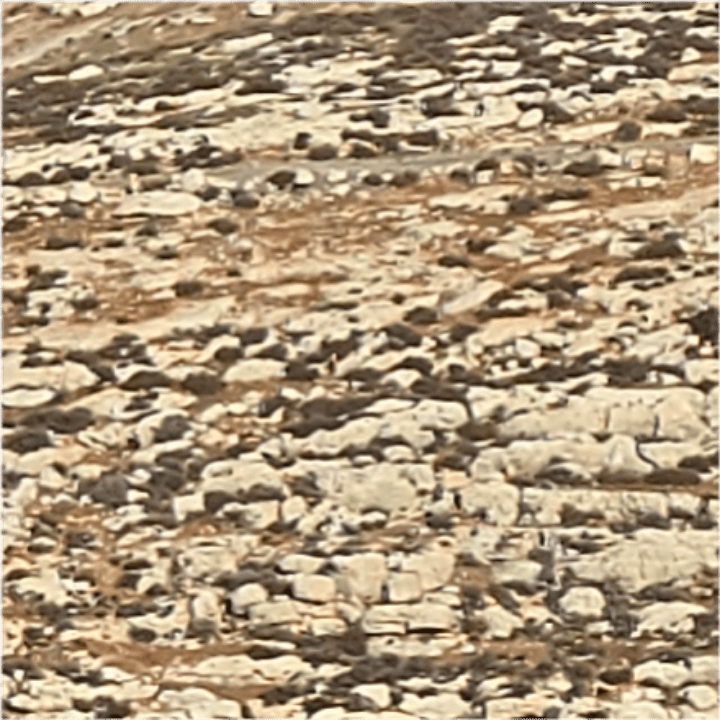
But that connection is not geological. It is human.
The rocks of Eilat, the oldest in the region, date to around 800 million years. They feel unimaginably ancient to us—far older than Abraham’s tents, King David’s psalms, or the Hasmonean rebellions that command our sense of deep history. Yet even those craggy cliffs and mineral seams are infants compared to the rocks of Canada. In the Canadian Shield lie formations over 4 billion years old—some of the earliest surviving pieces of Earth’s crust. Five times older. A geologic eternity older.
And yet no one reveres those rocks. No pilgrim circles them. No faith assigns them cosmic origin stories. They are “pretty,” not primordial. They are scenery, not scripture.
Why?
Because we measure age in lifetimes. We crown the stones of the Holy Land as ancient not because they are old, but because we are old here—because human meaning saturated this place for millennia. The rocks become vessels for our significance.
It is, in a sense, a subtle arrogance: the centering of human experience as the measure of the world. We treat Earth’s deep past as a backdrop to our stories rather than a reality that dwarfs them. We act as if history begins with us, as if time itself depends on our noticing it.
When we walk these trails—past the ruins of synagogues, the outlines of Israelite cities, the remnants of Crusader walls—we feel connected because these places speak to human time. They anchor us. They dignify us. But the rocks beneath those ruins hum a different message: we are temporary here. Our religions, nations, languages, and conflicts occupy a blink of the planet’s eye.
A dose of humility would serve us well. To appreciate the holiness of our stories without mistaking them for the age of the world.
We walk ancient paths, and the ground reminds us we are all newcomers.

 First One Through
Pingback: Das Zeitalter der Felsen und die Arroganz der Geschichte | abseits vom mainstream - heplev