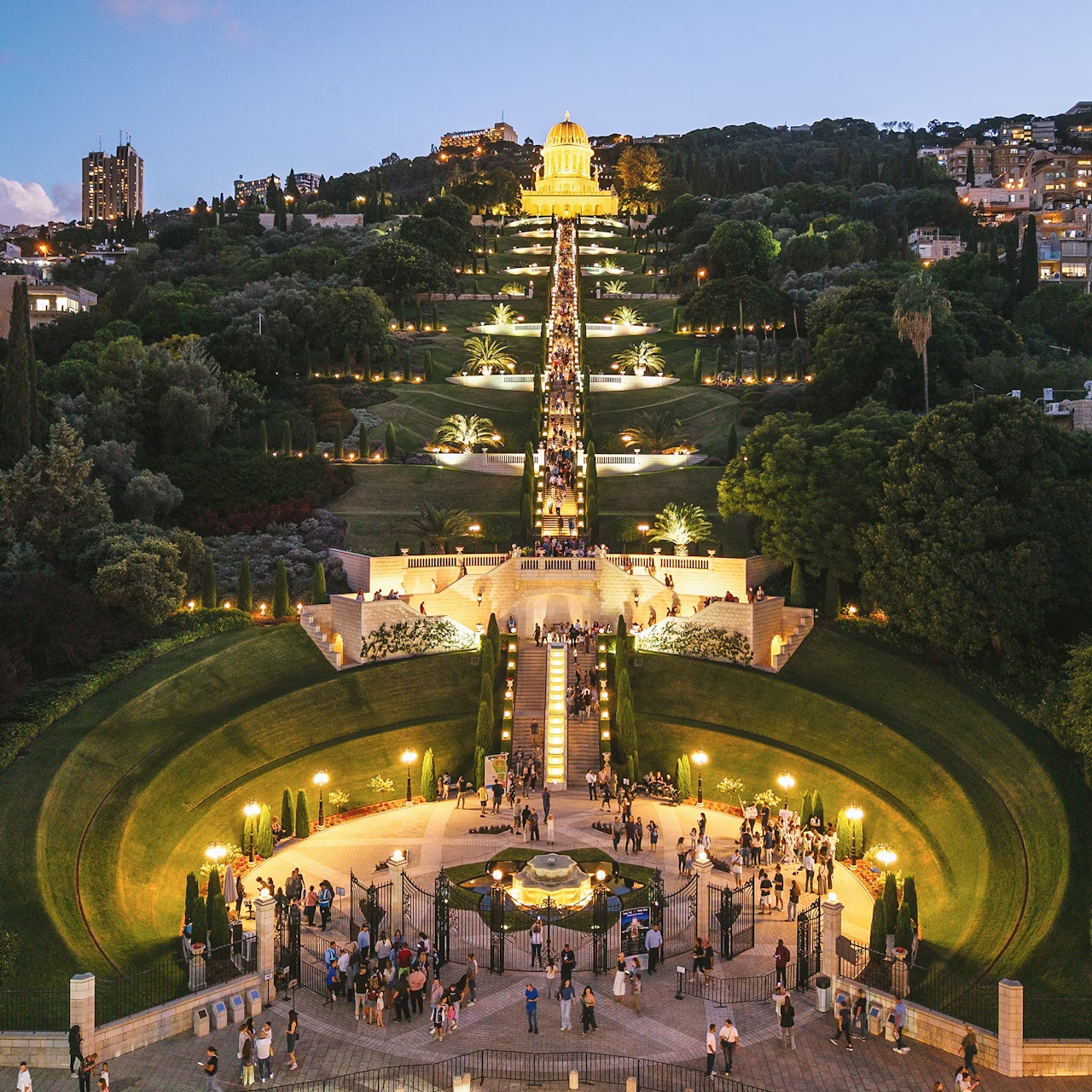
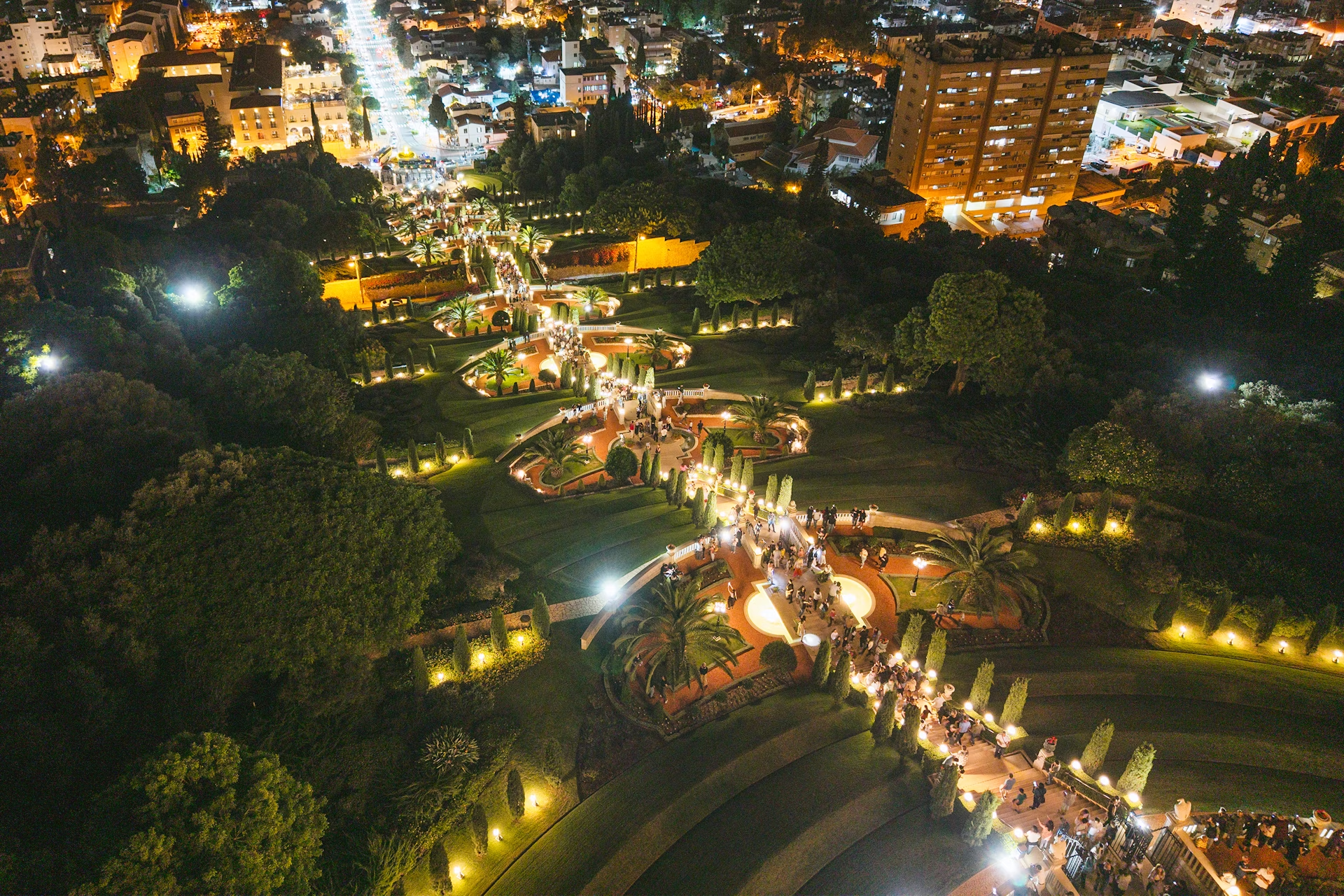
In October 2025, the Baháʼí Gardens in Haifa Israel shimmered under evening lights as thousands strolled the terraces surrounding the golden Shrine of the Báb. The event, “Terraces by Night,” invited everyone — Israelis, tourists, diplomats, Muslims, Christians, Jews — to share in quiet wonder. It was a celebration of beauty and peace, the essence of a faith that teaches the unity of mankind.
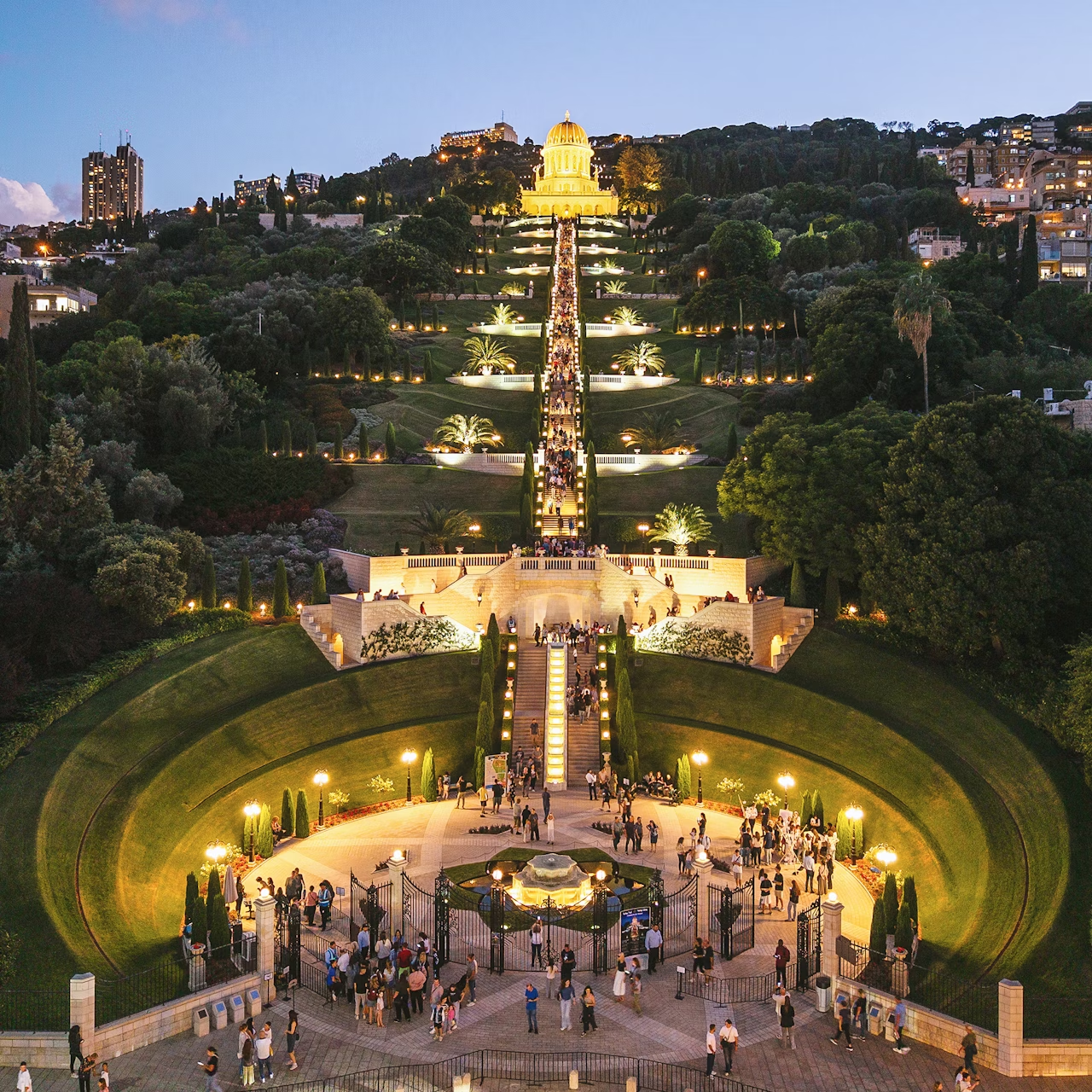
“The Bahá’í Gardens and the Shrine located in them are a religious and cultural asset of the highest order for Haifa and the State of Israel, and their spectacular beauty is an extraordinary global phenomenon. The connection between the city of Haifa and the Bahá’í Faith and the gardens is a unique bond of brotherhood and connection, because Haifa is a symbol of shared life.”
– Haifa Mayor Yona Yahav
That same faith is banned or persecuted across much of the Middle East. In Iran, where the Baháʼí Faith began, believers are barred from universities, their cemeteries desecrated, their homes seized. In Yemen, the Houthi regime has deported Baháʼís and outlawed their assemblies. In Qatar, a country that funds global propaganda about human rights, Baháʼís have been detained and denied employment. The list goes on: Christians face church burnings in Iraq and Egypt; Yazidis were enslaved by ISIS; Jews are long gone from the Arab world that once housed thriving communities.
The pattern is unmistakable — a region where religion is invoked constantly, yet religious freedom barely exists. Theocratic and authoritarian regimes claim divine legitimacy while erasing those who believe differently. Hatred of Jews may be the most visible strain, but the intolerance runs deeper: a rejection of pluralism itself.
Against that backdrop, Israel stands as an anomaly. The Baháʼí World Centre — the faith’s spiritual heart — sits on Mount Carmel, Haifa, Israel by choice, not exile. Baháʼís are forbidden by their own laws to proselytize in Israel, yet they flourish there. Muslims pray in mosques, Christians ring church bells, Druze maintain their shrines. It is imperfect coexistence, but coexistence nonetheless — a rare reality in a region where diversity elsewhere draws death sentences. Israel is the only country in the world where the religious majority does not make up the majority of annual tourists (Christians make up more than 50% of tourists to Israel each year).

Even the United Nations, which rarely misses a chance to criticize Israel, cannot ignore this hypocrisy. In December 2024, it condemned Iran stating the “dramatic rise in persecution against Baha’i women is an alarming escalation.” Yet it has remained silent on Qatar, whose wealth buys global silence — from universities, media, and even diplomats who recite the language of tolerance while pocketing the proceeds of repression.
The Baháʼí Faith preaches that humanity is one family. In Haifa, that message is literal — thousands of visitors walking through open gates, cared for by volunteers of every background. It’s a vision of what the Middle East could be if faith were not used as a weapon.
The Baháʼís open their gardens in Israel while their co-religionists suffer in silence around the Muslim Middle East. They celebrate while others cower. And they do it in the one nation in the region where the doors of worship remain open for those willing to coexist peacefully.
Related:
Christians Love the Jewish State (March 2021)

 First One Through