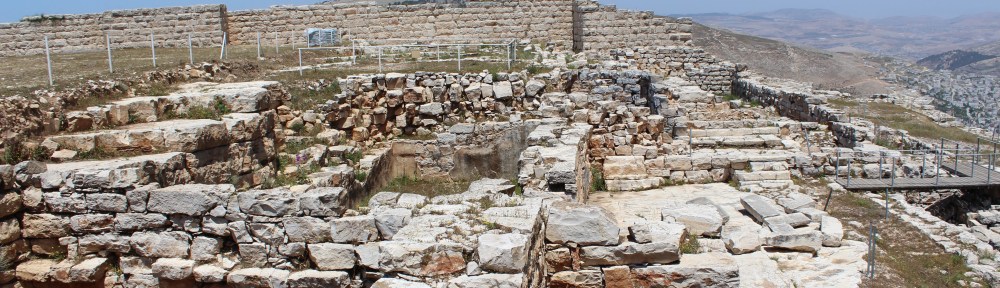
We normally think about free will as a choice between good and evil. Do the right thing or the wrong thing.
But that is not how Moses presents the choice at the beginning of this week’s Torah portion, Re’eh.
“See, I set before you today a blessing and a curse.” – Deuteronomy 11:26
Good and evil describe the choice we make. Blessing and curse describe what comes from that choice.
The language takes us back to the Garden of Eden and the Tree of the Knowledge of Good and Evil. Adam and Eve ate from it, acquiring the moral awareness that would define humanity: the ability to recognize alternatives and choose between them.
It was an extraordinary power. Alone, it was insufficient.
The Bible soon becomes a history of choices and their consequences. Cain murders Abel. Humanity descends into the violence preceding the Flood. Babel rebels and is scattered. Sodom becomes corrupt and is destroyed.
People possess knowledge of good and evil, but God still delivers the judgments. Humanity acts; God determines the consequences.
Sinai changes the dynamic. Israel receives commandments revealing a divine framework for how to live. The knowledge acquired in Eden is now joined to God’s instruction about how that knowledge should be applied.
And in Re’eh, something more happens.
Moses is speaking to the Israelites as they prepare to enter the Promised Land. They know the commandments. They know what God expects. And now blessing and curse are given a physical location. When they cross the Jordan, the blessing is to be pronounced on Mount Gerizim and the curse on Mount Ebal.
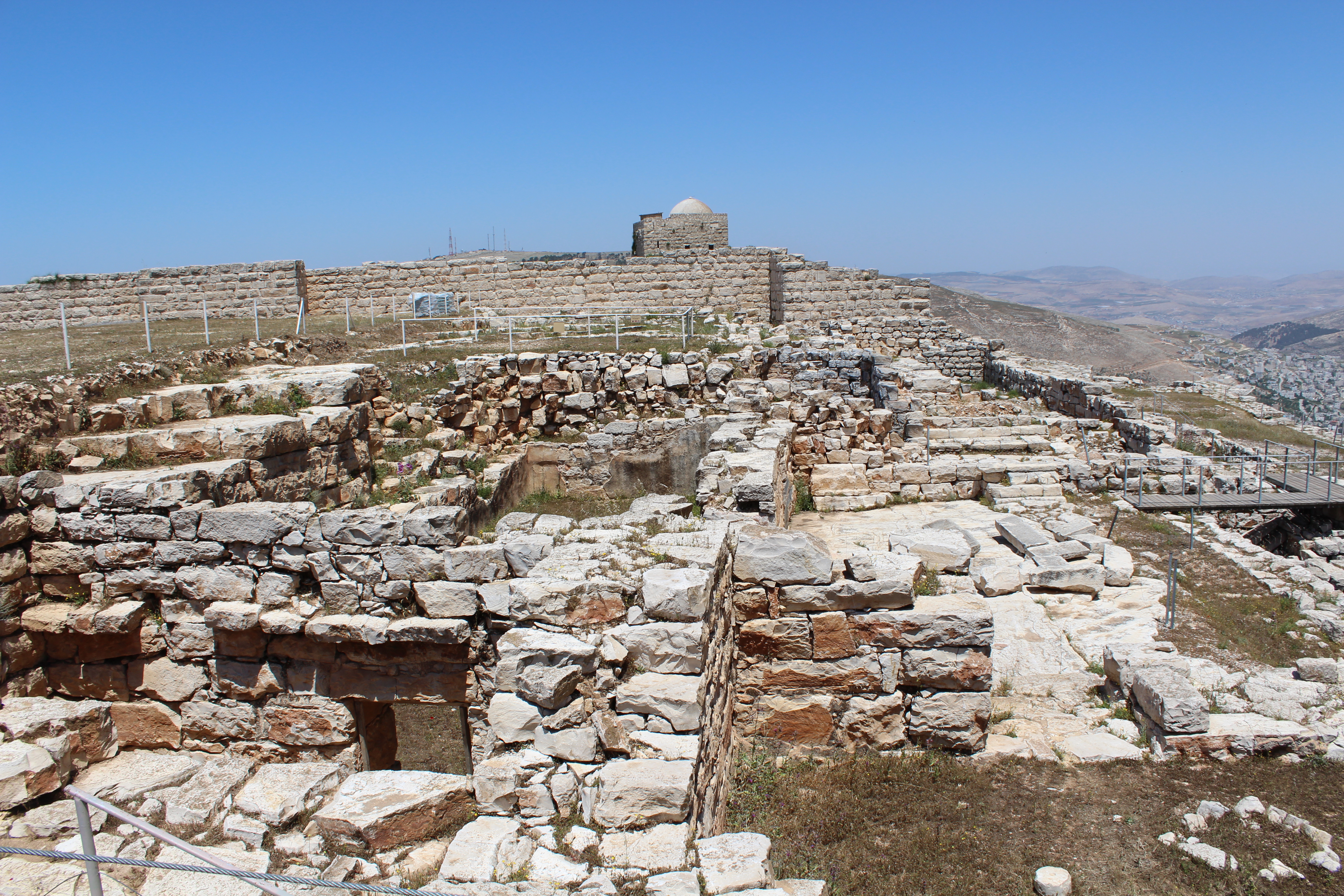
The consequences of human choice that had unfolded across the world in Genesis are now brought home. They will be proclaimed on two mountains in the land where the Israelites themselves will live.
That gives Re’eh — “See” — added force.
See the choices before you. See the commandments that guide them. And now, quite literally, see where their consequences will reside.
In Eden, humanity acquired the knowledge of good and evil. At Sinai, Israel received a framework for choosing. And upon entering the Promised Land, blessing and curse would be placed before them on the very mountains of their new home.
The lesson was no longer abstract.
They knew good and evil. They had been given the commandments. And now, in their own land, they would live with the consequences of their choices.


