
There is a reason the Bible lingers on grapes. They are rich, sweet, bursting with promise — a fruit that invites you in.
When the spies returned from scouting the Promised Land, they brought back a single cluster so heavy it had to be carried on a pole. That image has endured for millennia: the land was good, overflowing, generous. The fruit drew the Israelites forward, a taste of the future God promised.
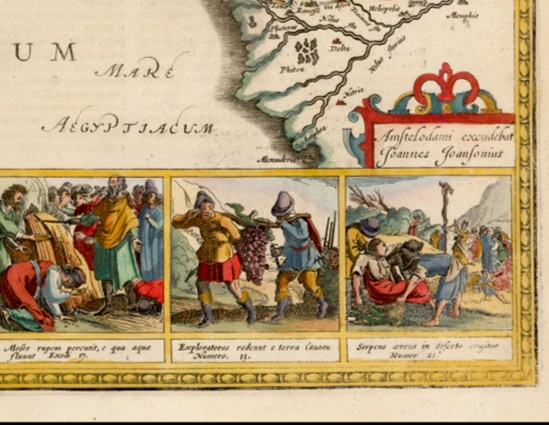
Yet that same cluster became a stumbling block. The spies’ report turned the promise into fear. Instead of trusting that the God who brought them out of Egypt would also give them this land, they shrank back. The grapes that should have stirred hope instead fed doubt about the size and power of the land. The draw of abundance proved to be no guarantee of holiness.
Grapes in the Song of Moses
Forty years later, as Moses prepared the people to finally enter the land, he again reached for the image of the grape and the vine, which must have still captured the imaginations of the generation that wandered the desert. In the Song of Ha’azinu he sang of the bounty to come:
“Honey from the rock,…
milk of the flock,…
and the blood of the grape you drank as wine.” (Deuteronomy 32:13-14)
The land’s fruit would not be a passing token or aspiration as it was in the wilderness — it would be a daily reality. The vine was not only a sign of blessing but also of permanence.
And Moses warned that the very blessing could corrupt:
“Yeshurun grew fat and kicked…
then he forsook the God who made him.” (Deuteronomy 32:15)
When abundance becomes self-indulgence, the sweetness sours. The gift is no longer an offering; it becomes an idol.
The Poisoned Vintage
The Song of Moses added a different reference to wine – not of over abundance but used for immoral purposes:
“Their vine is from the vine of Sodom,
their grapes are grapes of poison,
their wine is the venom of serpents.” (Deuteronomy 32:32-33)
The same fruit, when cultivated for injustice and oppression, becomes toxic. The vine can yield joy or venom depending on the heart of the grower.
The Test of Blessing
The Bible’s teaching is that grapes themselves are neither holy nor unholy. They are a draw — a gift meant to be enjoyed in gratitude and moderation.
When abundance is hoarded, flaunted, or wielded for harm, it ceases to be a blessing. The line between the vineyard of the Lord and the vineyard of Sodom lies not in the soil but in the soul.
The cluster carried by the spies, the wine of the Song of Moses, and the poisonous vintage of the nations all point to the same truth: the fruits of the earth reveal the heart of the one who gathers them.
It is our message as we leave the Fast of Yom Kippur and ready for the joyous and communal holiday of Sukkot: wine in moderation and with purpose, gladdens and sanctifies. In excess or in service of corruption, intoxicates and destroys.
Israel Has Returned Excellent Wine Making Back to the Middle East (August 2016)

 First One Through