
Joseph and the Maccabees stand at opposite ends of Jewish history, yet they are oriented toward the same destination.
Joseph saved lives through wisdom. He read the moment correctly, understood power as it existed, and worked within it with discipline and restraint. His brilliance was not only in interpreting Pharaoh’s dreams but in translating vision into policy. Grain was stored since hunger was anticipated. Life survived because Joseph learned how to operate inside a dominant civilization without surrendering his inner compass.
The Maccabees faced a different landscape. Jewish practice itself was under assault, the Temple desecrated, identity mocked and criminalized. In that moment, preservation required action of a different kind. Physical courage and sacrifice to restore the possibility of Jewish continuity. Their strength reopened a future that had been closing.
Both paths flow from the same conviction: Jewish life must continue.
That shared conviction matters more than the method used to defend it. Jewish tradition does not freeze history into a single playbook. It records multiple responses to pressure, exile, and threat, each shaped by its circumstances, each measured by whether it protects life and meaning.
This tension feels immediate today. Jews in Western societies sense the ground shifting beneath them. Institutions once assumed to be neutral now tolerate or excuse intimidation. Public expressions of Jewish identity invite scrutiny, hostility, or worse. Families quietly debate whether to double down on civic engagement, legal advocacy, and cultural participation, or whether to seek physical concentration, communal withdrawal, and in some cases departure altogether.
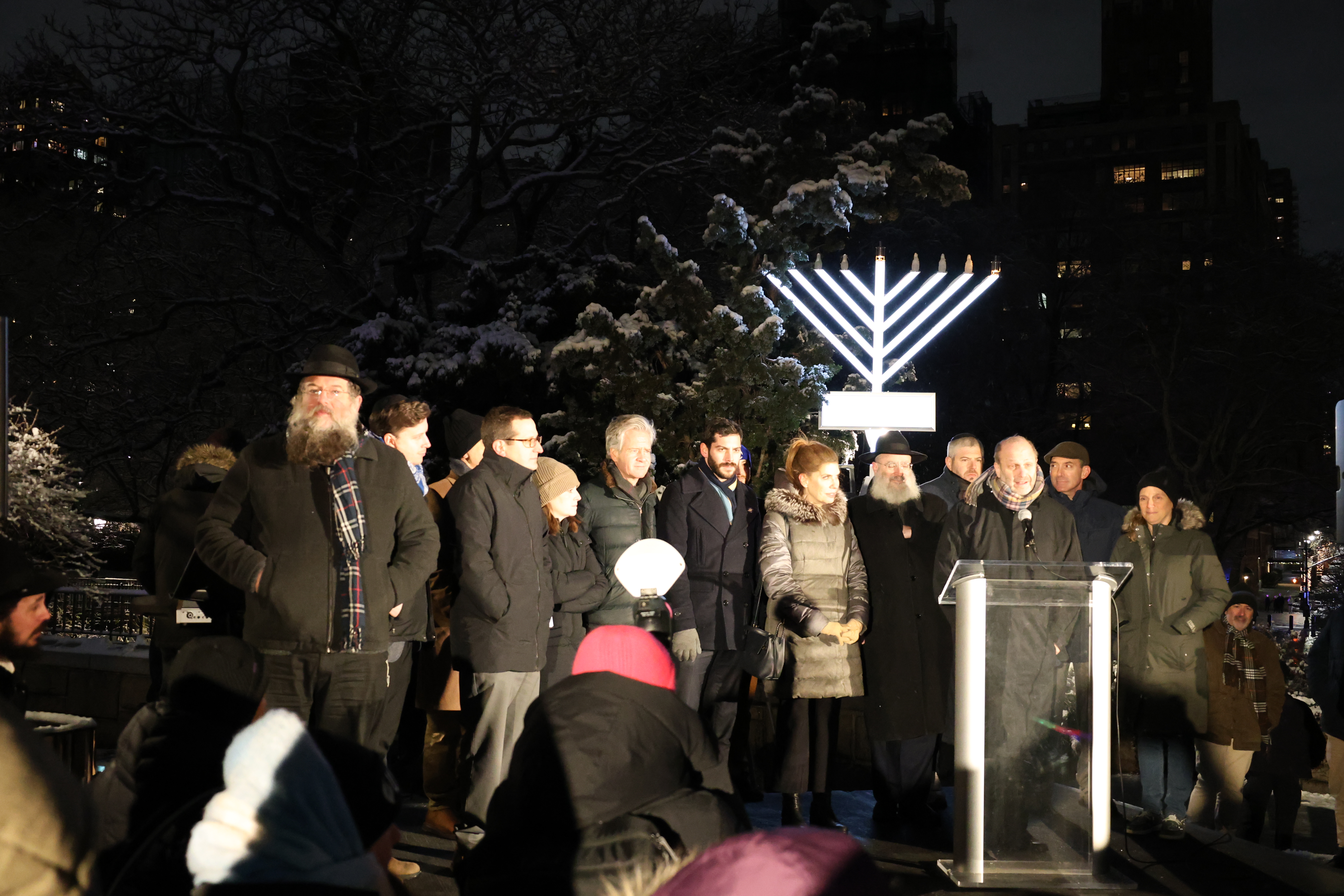
Both instincts draw from deep Jewish memory.
Some respond like Joseph, believing that wisdom, professionalism, and moral clarity can still carve out space within complex societies. Others hear the echo of the Maccabees and sense that when identity becomes negotiable, consolidation and self-defense are no longer optional.
The danger is not that Jews choose different strategies. The danger is losing sight of the common north star and turning strategy into accusation.
Chanukah, read alongside Parshat Miketz, offers a sobering reminder. Joseph’s Egypt eventually transforms from refuge into bondage. The Maccabees’ victory secures a moment of light, not a permanent settlement. Jewish history does not promise stability; it demands attentiveness. Survival in the long-term cannot happen without survival in the present.
Each generation inherits the same responsibility: to read its moment honestly, to choose its tools carefully, and to ensure that the flame continues—whether through wisdom, through strength, or through the careful discipline of knowing when to shift from one to the other.

 First One Through