
In Vayelech, as Moses nears the end of his life, he does not leave the Israelites with swords, maps, or battle plans.
He leaves them two witnesses.
“…so that this song may be for Me a witness against the children of Israel.” (Deut. 31:19)
“Take this Book of the Torah… and place it beside the Ark… and it shall be there as a witness against you.” (Deut. 31:26)
Two witnesses. One to sing. One to see.
The Private Witness: A Song to Internalize
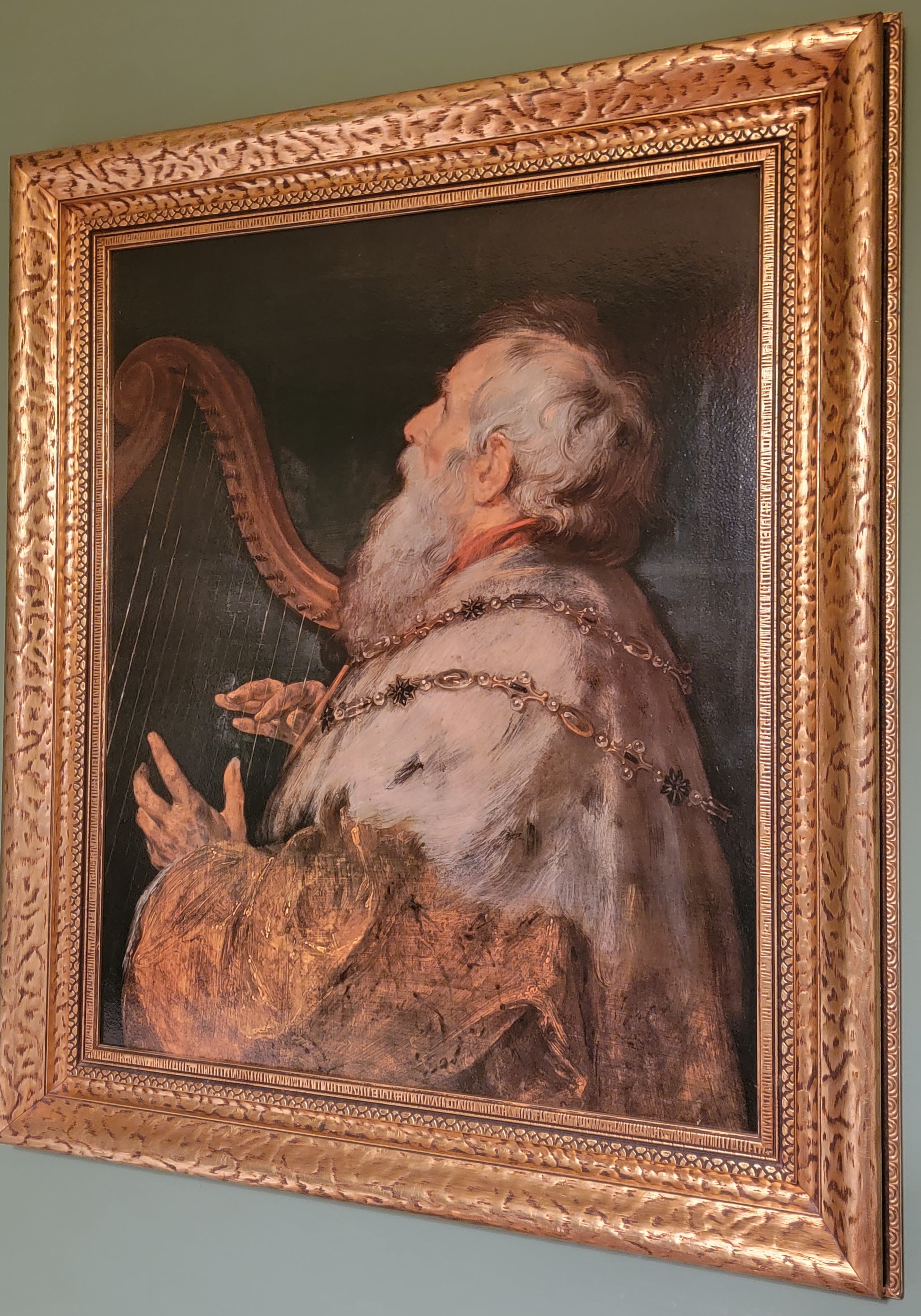
The first witness is the Song of Moses.
It is not carved in stone or locked in a chest.
It is taught to the people, meant to be recited, memorized, carried in the heart and on the lips.
A song reaches places that statutes cannot.
It does not merely command; it shapes the soul.
It reminds each individual of the covenant — in good times and in hardship — and demands that a person take responsibility for his or her own faithfulness.
This witness lives in the quiet spaces of life, where no physical judge or priest is watching.
It whispers: “You know what is right. Act accordingly.”
The Public Witness: A Testament to See
The second witness is the Torah scroll.
It is set beside the Ark, in the very center of the national camp.
It is the visible, enduring reference point — the community’s constitution.
While the song stirs the conscience, the scroll sets the standard.
It unites the people under a single covenantal banner, a guide to which the entire nation can point and say:
“This is who we are. This is what we have pledged together.”
Two Responsibilities, One Blessing
Vayelech teaches that the covenant’s blessing flows only when both witnesses are honored:
- The private witness — internalizing the principle, carrying it daily.
- The public witness — keeping the community anchored to the same course.
A society that prizes the public witness alone risks becoming a hollow bureaucracy.
A society that trusts only the private witness descends into scattered individualism.
Blessing comes from both: each person singing the song of covenantal responsibility,
and all together respecting the scroll that binds the nation.
The Enduring Lesson — and a Voice from Rabbi Sacks
Rabbi Lord Jonathan Sacks captured this dual dimension of covenant beautifully:
“Covenant is more than law. It is law internalized, turned into song.
We need the public voice of law and the private voice of conscience, for only together do they sustain a free society.”
— Rabbi Lord Jonathan Sacks, Covenant & Conversation: Deuteronomy, Parashat Vayelech (2008)
On the eve of entering the Land, Moses anchored Israel’s future not in military tactics but in responsibility.
The first step toward national blessing was not conquest but character — personal and collective.
The Song calls us to self-discipline.
The Scroll calls us to shared fidelity.
When we heed both — the witness in the heart and the witness before the eyes — we walk the road of blessing.
Ignore either, and the covenant frays.
That is the enduring message of Vayelech: A people’s future depends on individuals taking responsibility for themselves and on the community staying the course together.

 First One Through